
Zooming Out: Telling Wildlife Stories Beyond the Long Lens
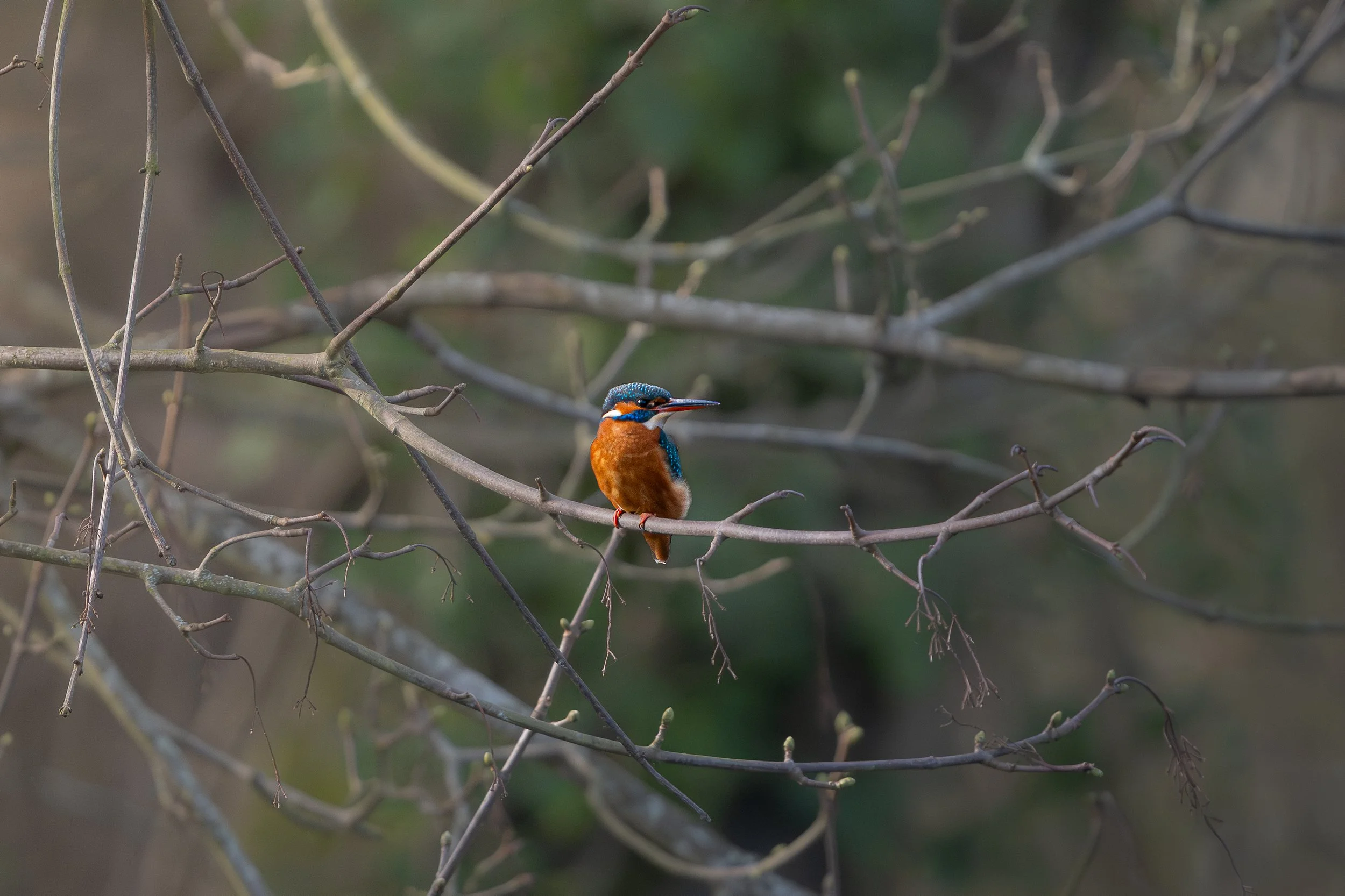
Wild Rangefinder — Episode 1
There’s a quiet assumption in wildlife photography. One that sits so deeply in the background that most of us never question it. Wildlife lives far away. And therefore, the only way to photograph it properly… is to reach it.
Long lens. Big glass. Compression. Precision. And for the most part — that’s true.
But it’s not the whole truth.
Act I — Zoom Out, Man
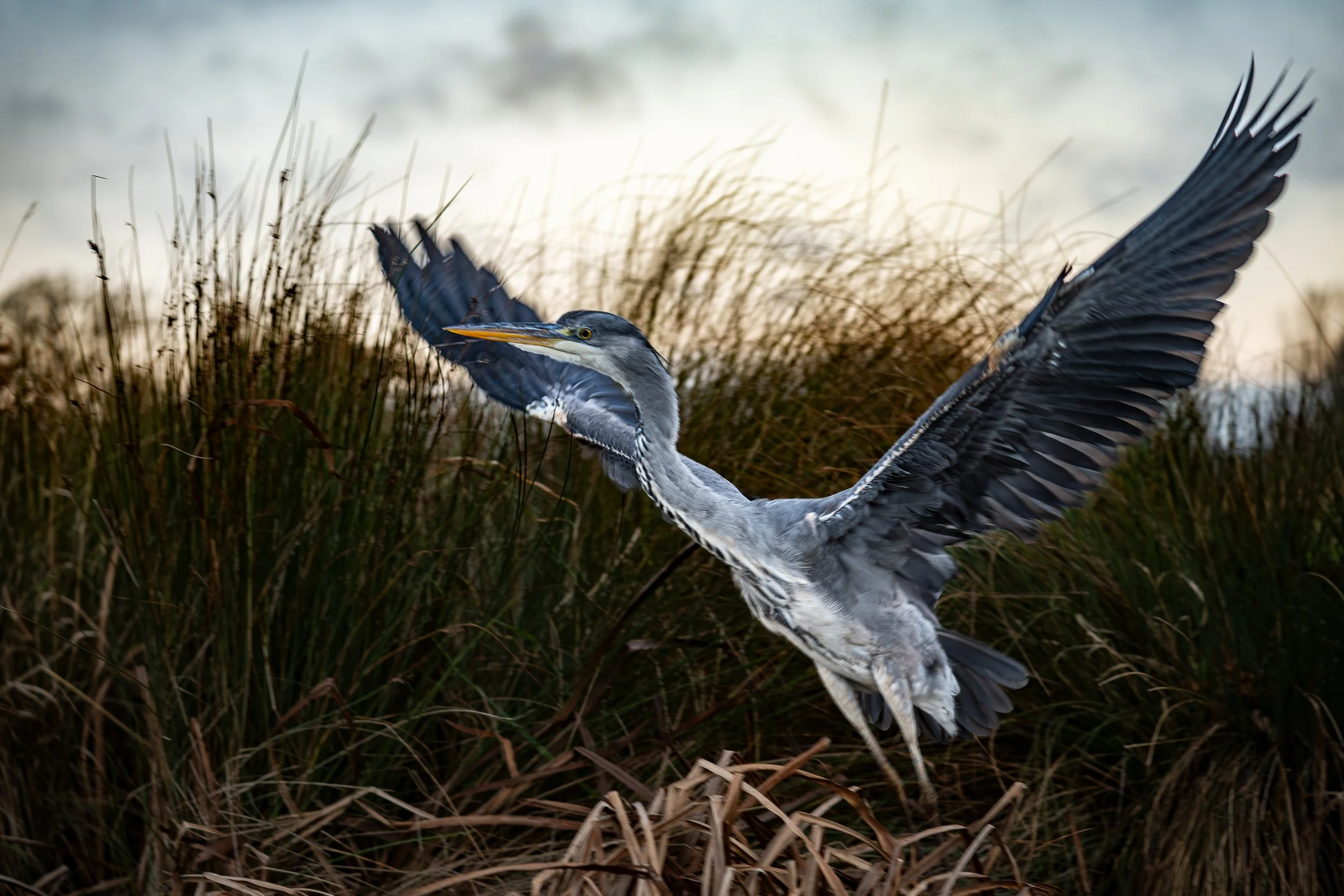
This shot was taken on a wildlife shoot.
Not with a 600mm.
Not with a 400mm.
But with a Nikon Zf and a 28–75mm.
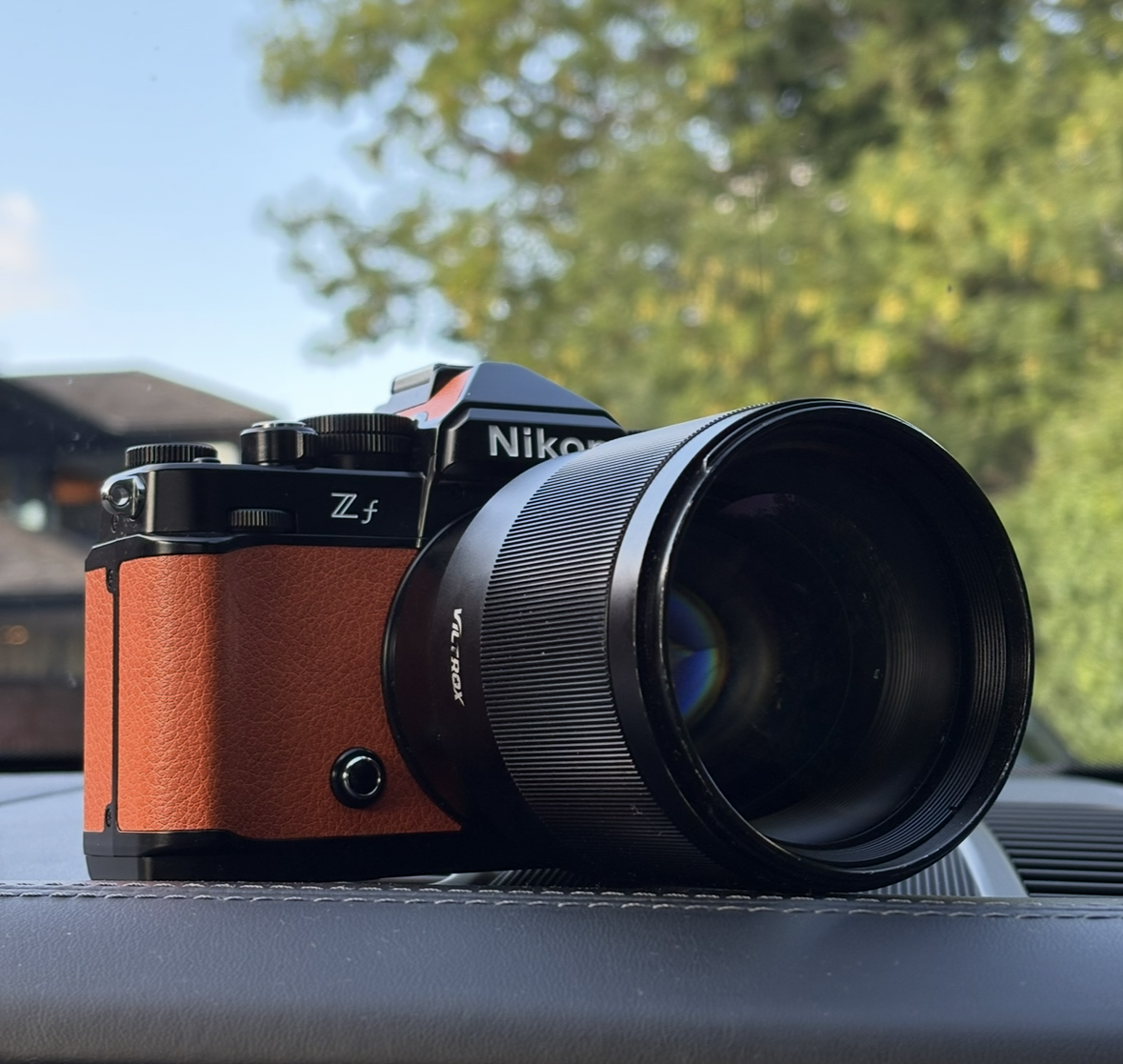
This is the camera in question. Rare and brash orange leather edition of the Nikon ZF that I tracked down and kept for a long while.
This specific combo is my favourite for general street photography and overall travel - paired with Viltrox z mount 85mm f1.8 The lens is slow to focus but incredibly sharp. Its metal bayonet and overall vintage feel adds to the experience of using Nikon ZF in a special way.
On my routine wildlife patrols around Wild Spots ZF is equipped with Tamron 28-75 f2.8 z mount lens which is fast to focus, incredibly sharp and delivers modern clinically sharp image. All so important for the b-roll and BTS nature of this tool in journaling all the knots and twists of narrative arcs in wildlife photography.
A lens more commonly seen at weddings than wetlands. You would be forgiven for thinking I’ve completely lost the plot. But stay with me. Because the moment you start paying attention — really paying attention — something interesting happens.
Wildlife doesn’t only exist at a distance.
It exists around you. A robin lands almost at your feet. A heron drifts closer than your minimum focusing distance. The water, the reeds, the light — all of it becomes part of the story. And suddenly the long lens, for all its brilliance, becomes… limiting. Not because it can’t reach. But because it can’t step back. The more tightly you frame, the more you risk missing the story unfolding around the subject.
So every now and then, you need to remind yourself:
zoom out, maaaaaan.
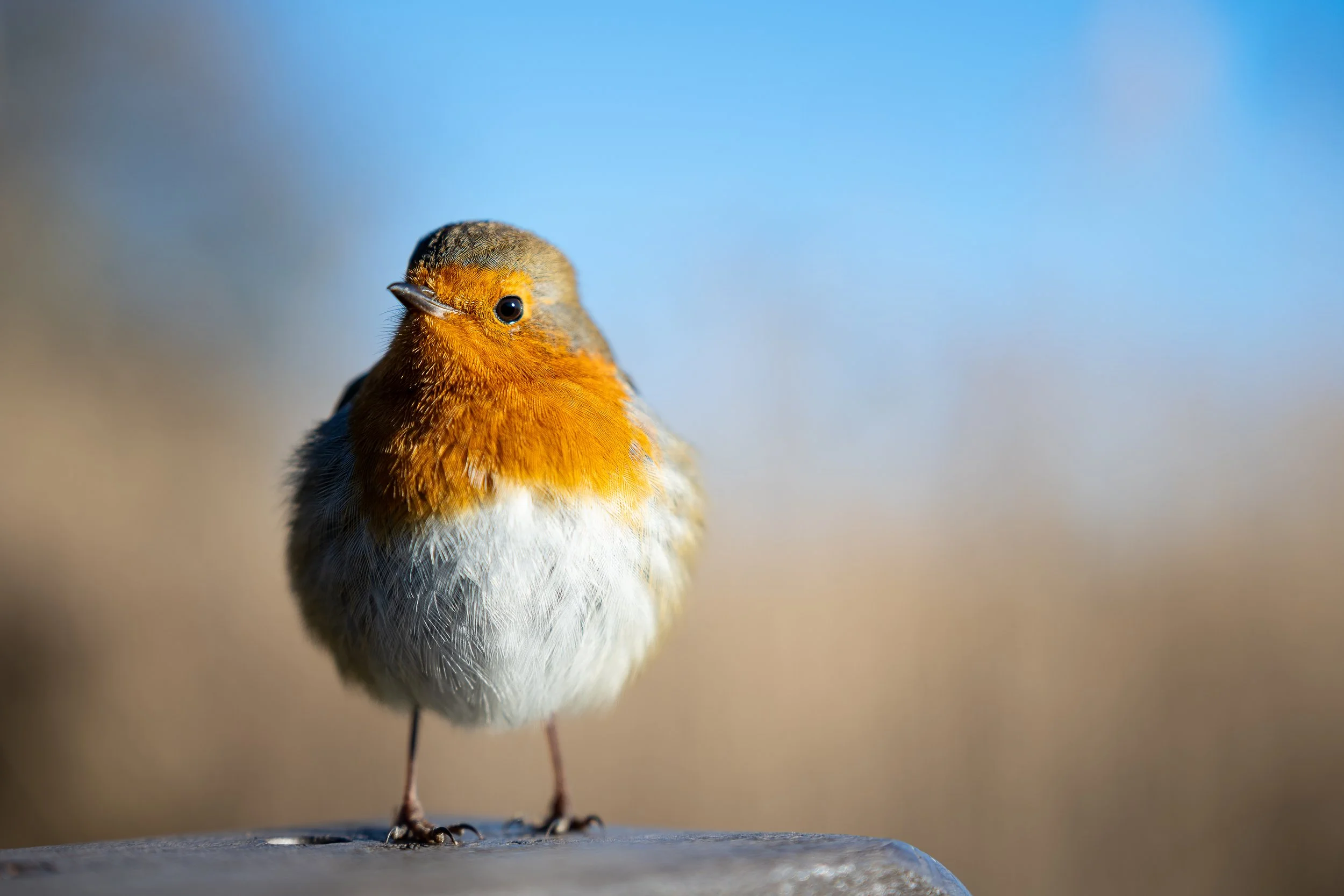
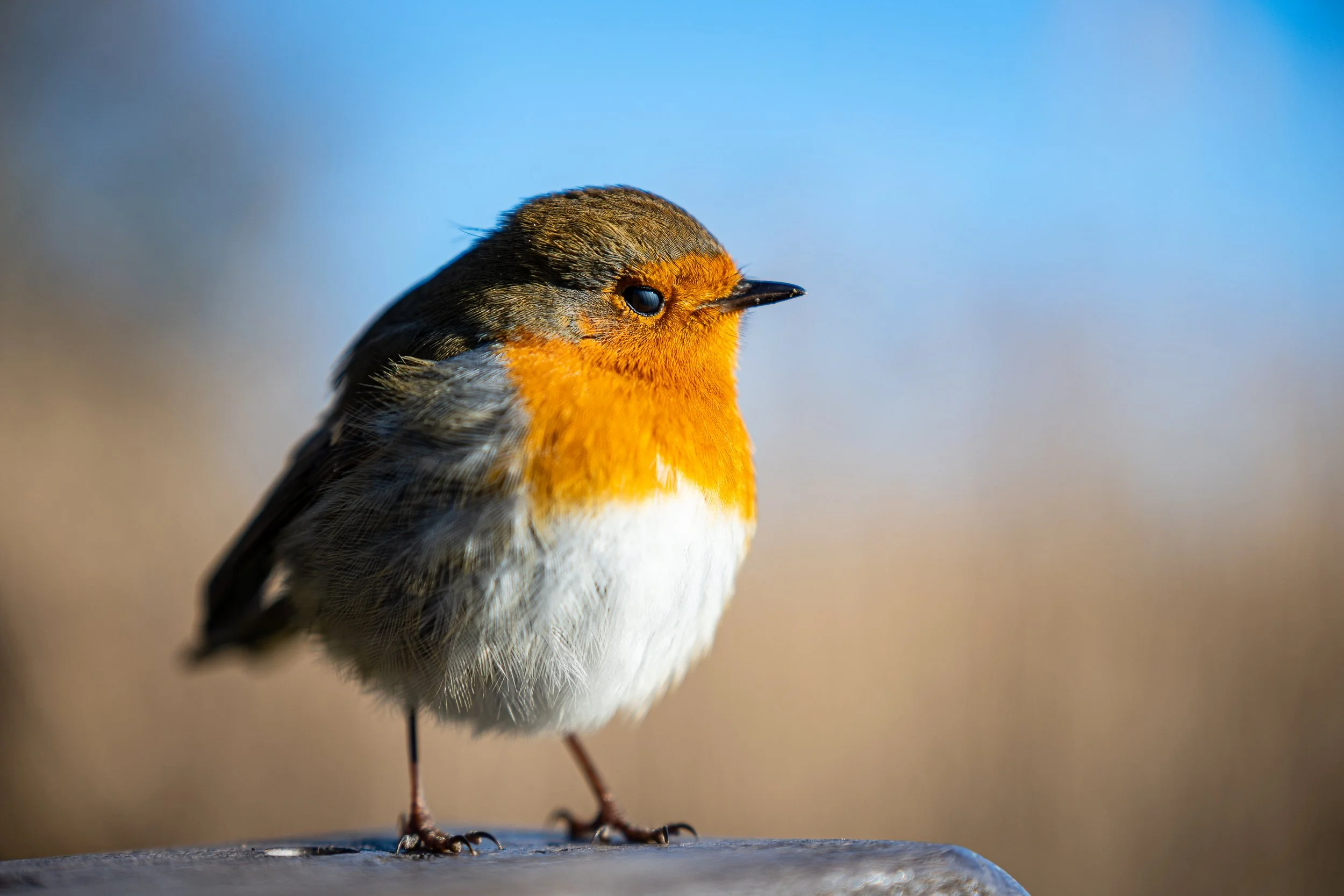
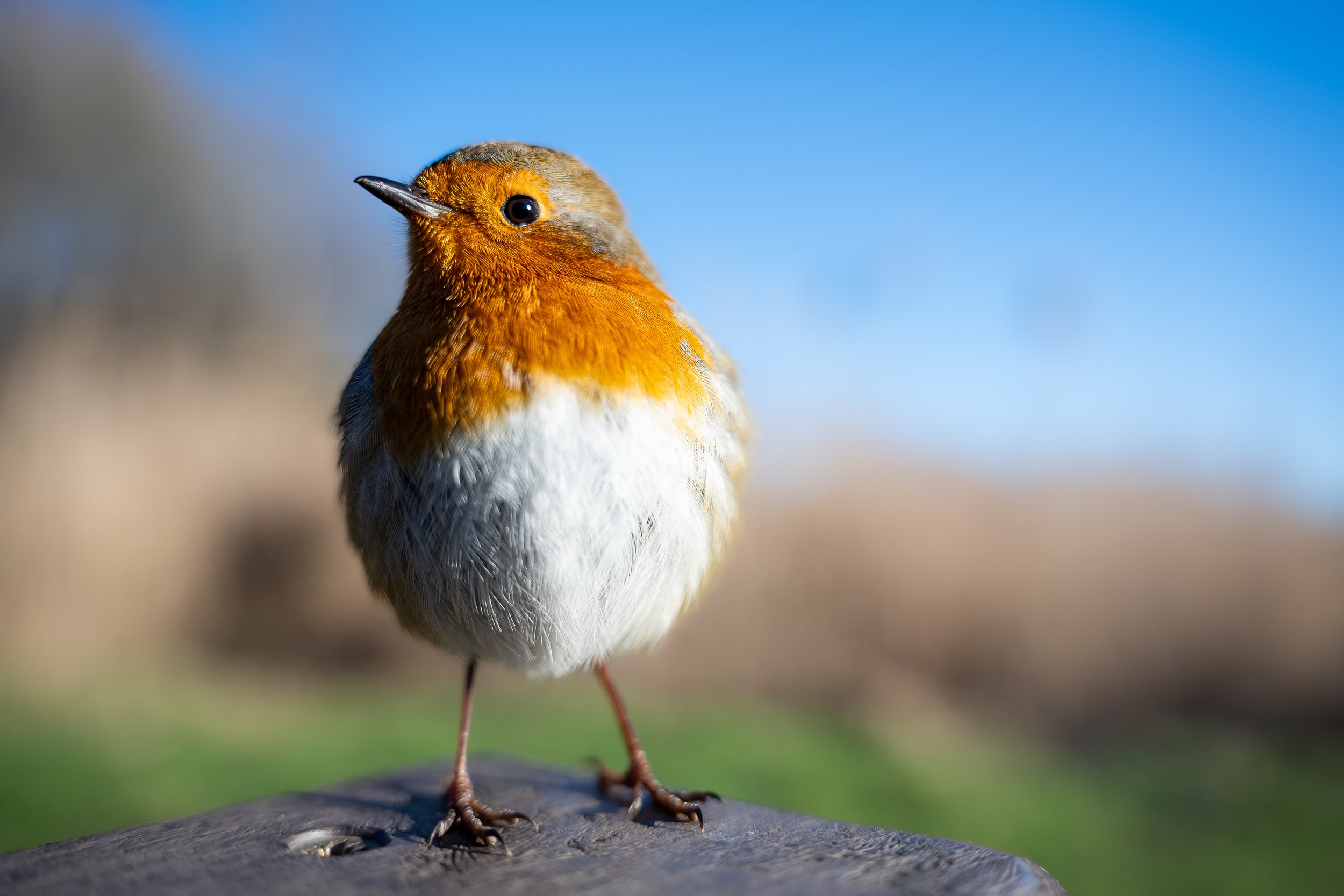
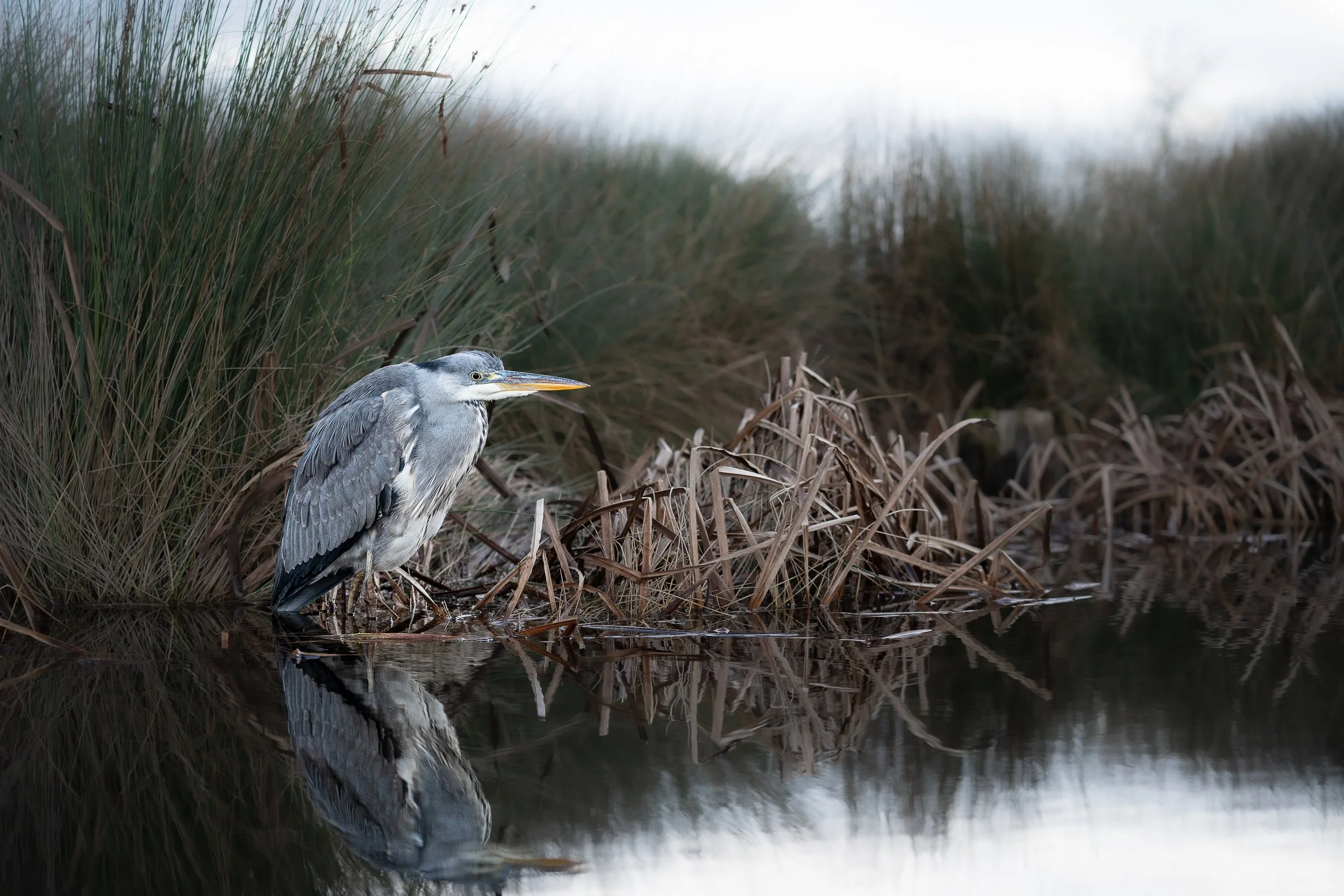
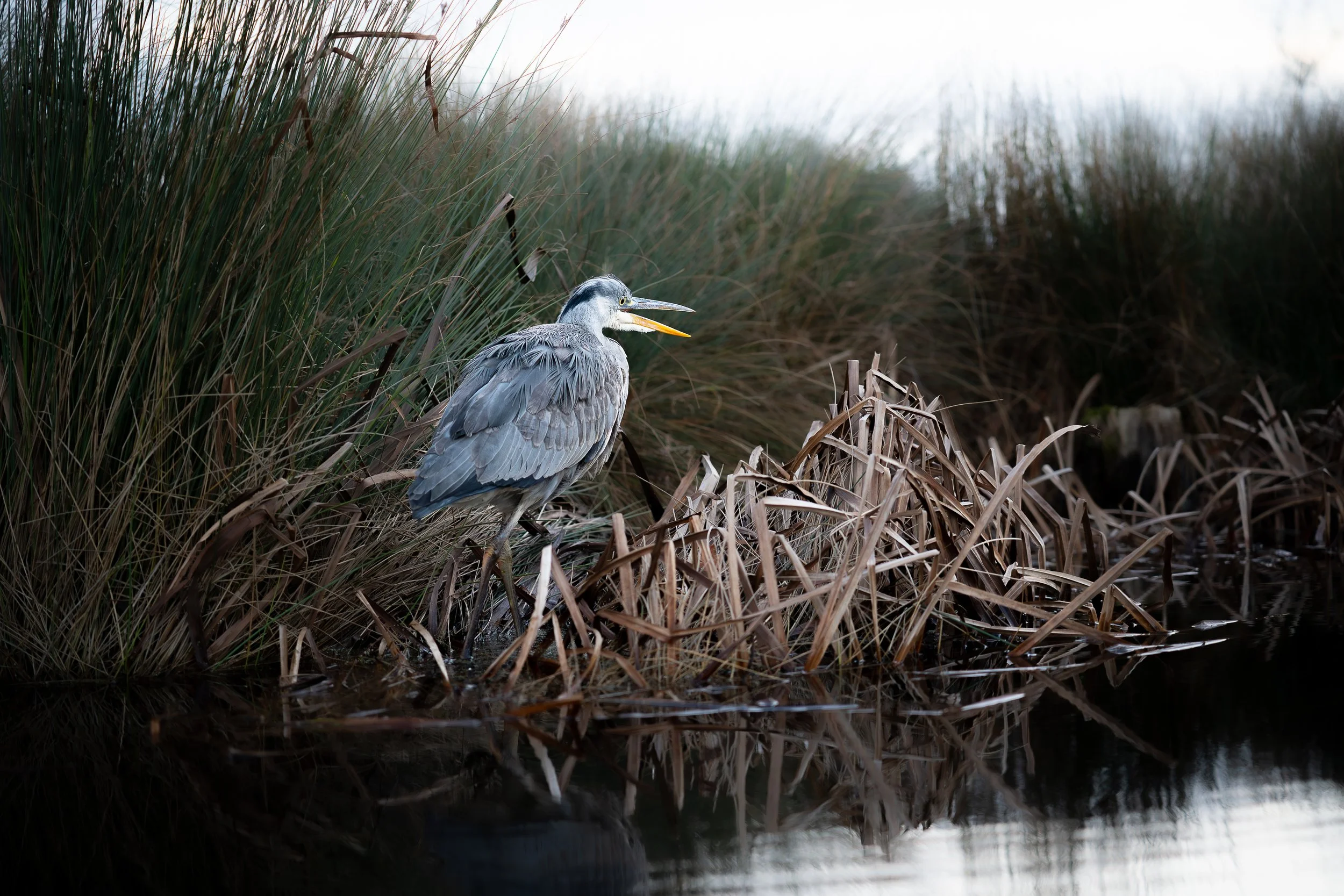
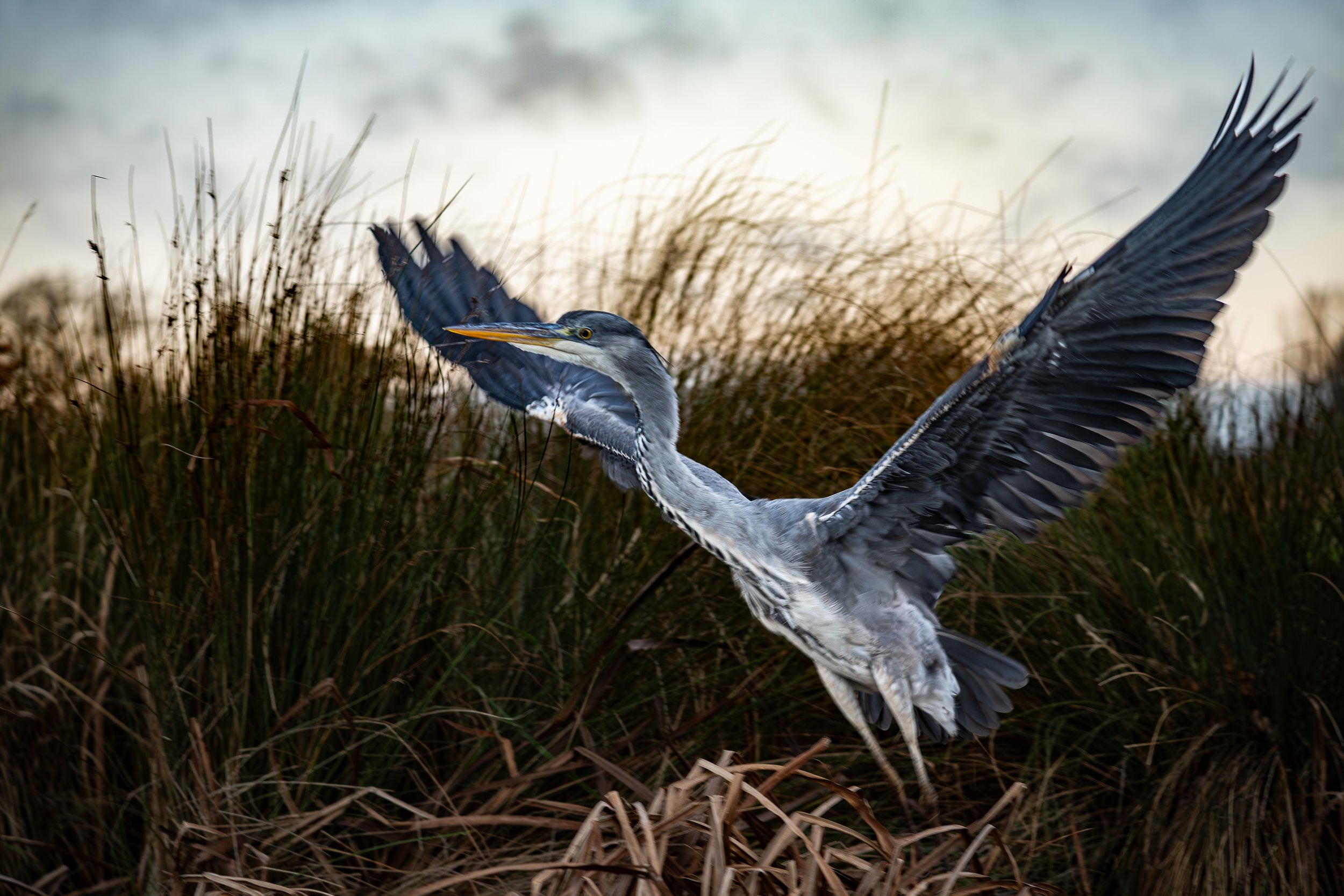
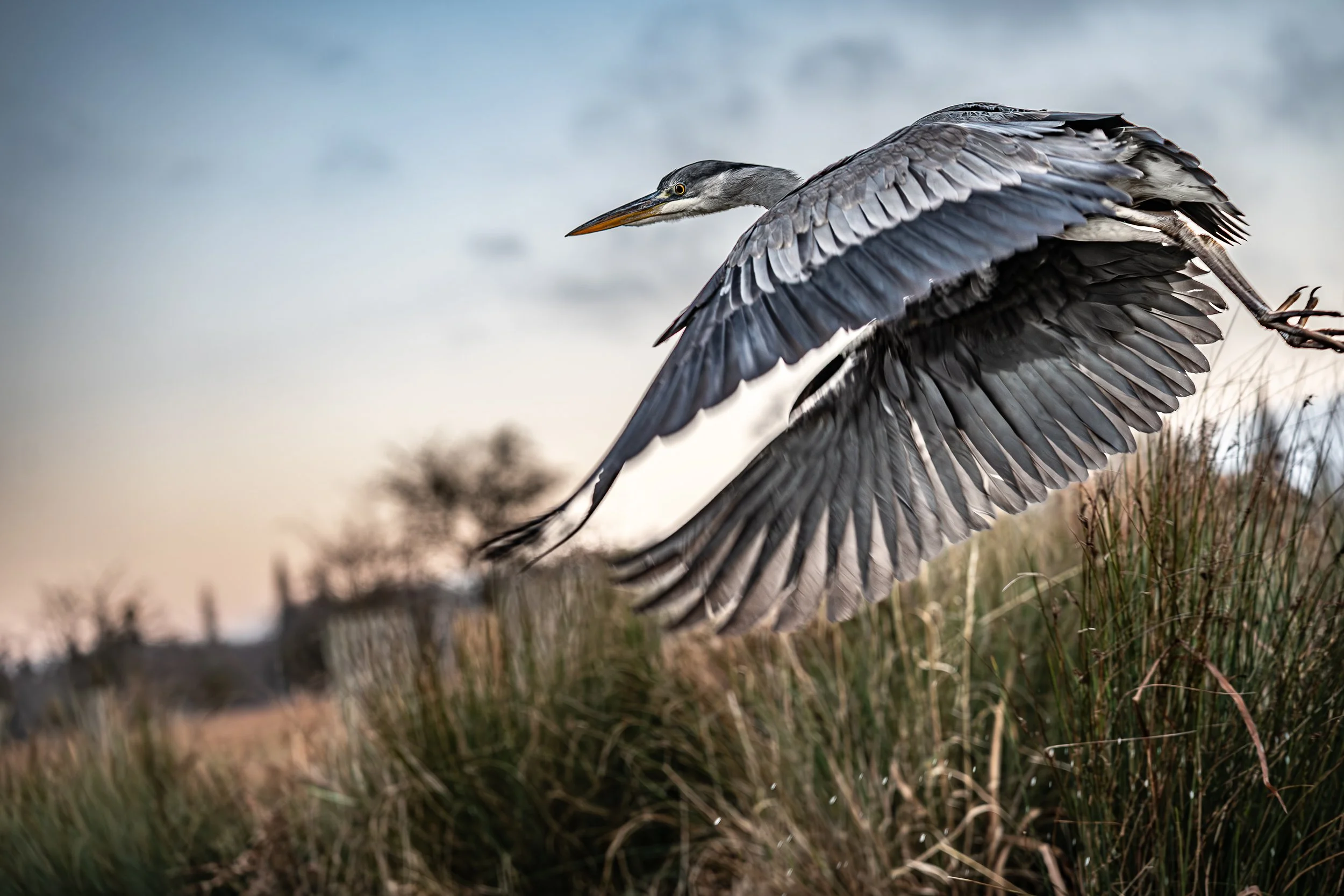
Here is a short carousel with some of the shots that only exist because I always have my second shooter with me. These are very different to what you are getting with your typical telephoto setup. Robin is up close and personal. Wide focal range gives a different perspective and geometry and it feels unique in its own right. The heron shot at 75MM includes the environment around it. I was very lucky with the light that day as well. You could take a hike back and take similar shot with 600mm but it would compress the scene even if you managed to include the environment and you would get that telephoto feel. With such a small setup I managed to get to the eye level of the bird by hanging off of the shore and it wont be possible due to terrain with the 600mm.
Act II — The Camera I Thought I Didn’t Love
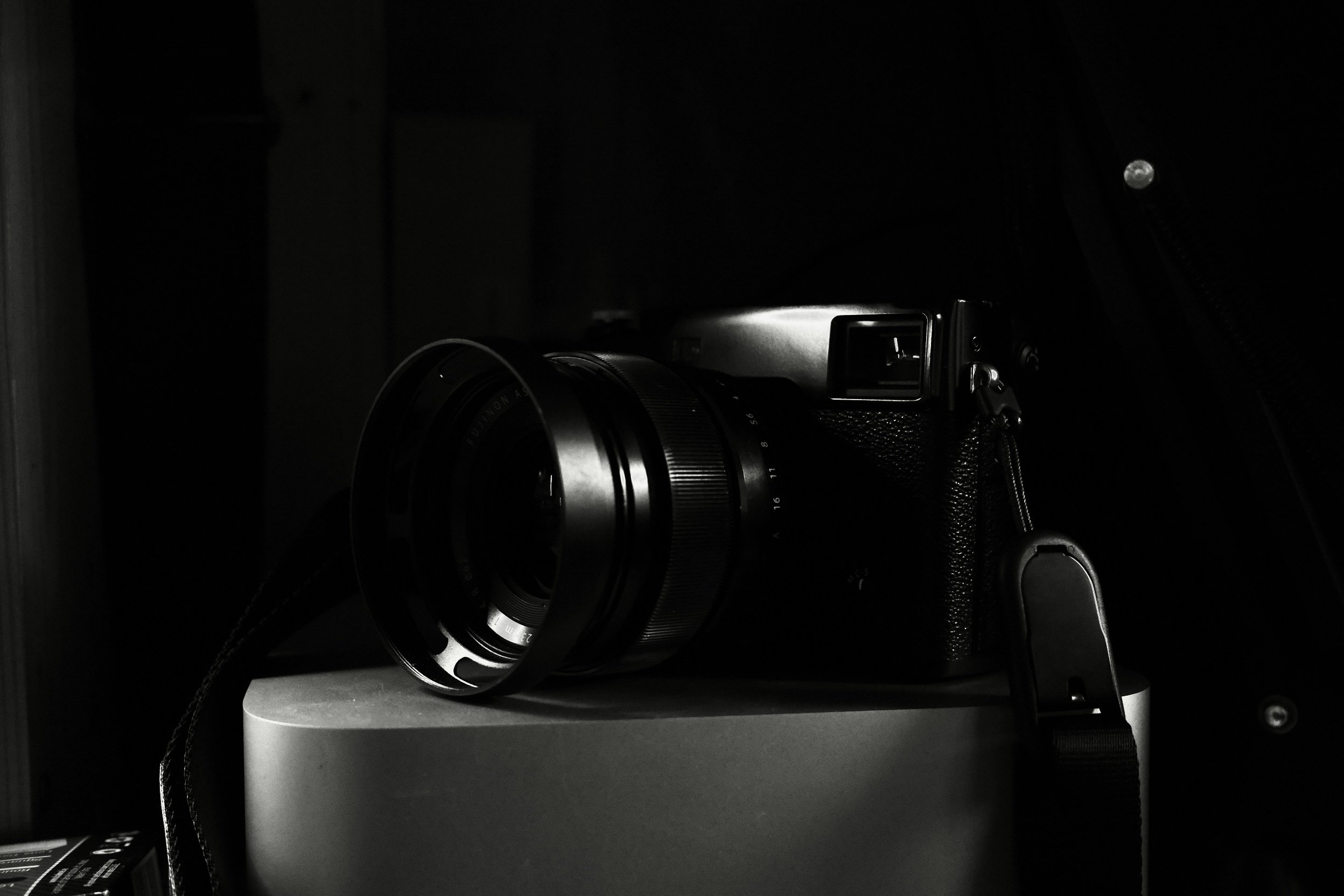
I’ve always gravitated toward fast primes. Big aperture. Clean separation. Control. My 600mm f/4 is not just a tool — it’s a statement. It’s the lens I worked towards for decades and I built my wildlife work around. Over the years I’ve owned plenty of gear. Some stayed. Some went. And about a decade ago, one camera quietly slipped through my hands. At the time, it made sense. It wasn’t essential. It didn’t fit the direction I was heading. It became part of the pile of things sold to fund the next upgrade.
And the moment it was gone… I knew I’d made a mistake.
Not a dramatic one. Not the kind that ruins your career. But the kind that sits quietly in the back of your mind for years. A small, persistent regret.
Until recently. An opportunity came up. A good deal. Too good to ignore. I picked it up. Held it in my hands again. And something felt… familiar. Not nostalgic. Real. There was a scratch on the body — one I didn’t remember, but somehow recognised. That was enough to send me down a rabbit hole. I went home. Dug through old emails. Found the original receipt. Checked the serial number.
And there it was.
The same camera. Ten years later. Back in my hands.
Act III — Seeing Differently
The next time I went to Kempton Nature Reserve, I brought it with me. Not as a backup. Not as a test. As a constraint. I mounted a 23mm f/1.4. And I told myself: this is what you’re shooting with today. No fallback. No switching. Just this. Everything changed. Not the wildlife. Not the location.
Me. I slowed down. I stopped chasing. I started noticing. Light became more important than reach. Composition became more deliberate. Moments became quieter, but somehow… deeper. Instead of collecting shots, I found myself following scenes.
A person watching through the hide. Birds lifting off in the distance, framed by the window. Reeds bending in the wind. The story expanded. Not just the subject — but everything around it. And for the first time in a while, I wasn’t thinking about Lightroom. I was thinking about the frame. Film recipes replaced sliders. Decisions happened in the moment. Mistakes stayed with me.
And that made the process feel… honest.
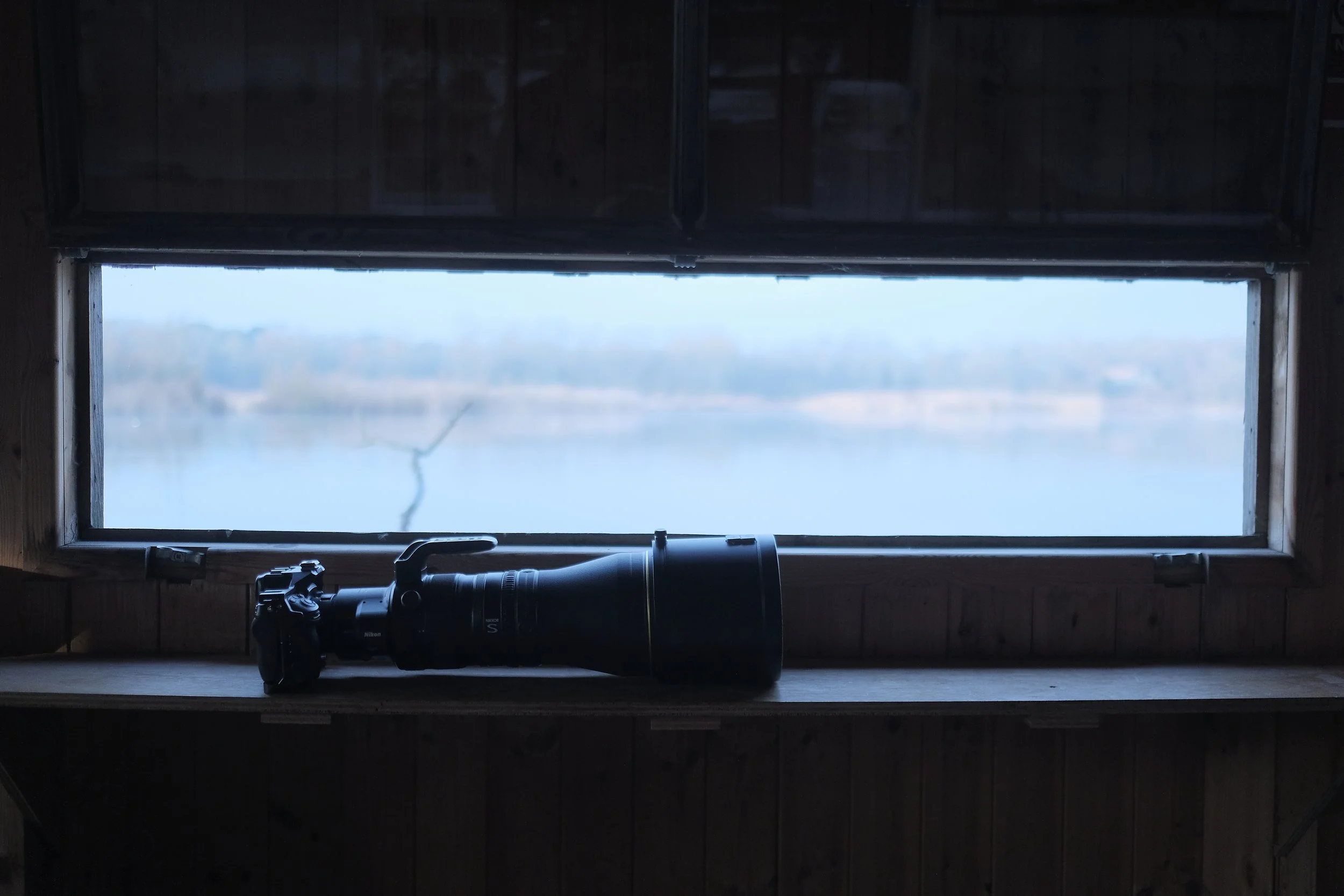
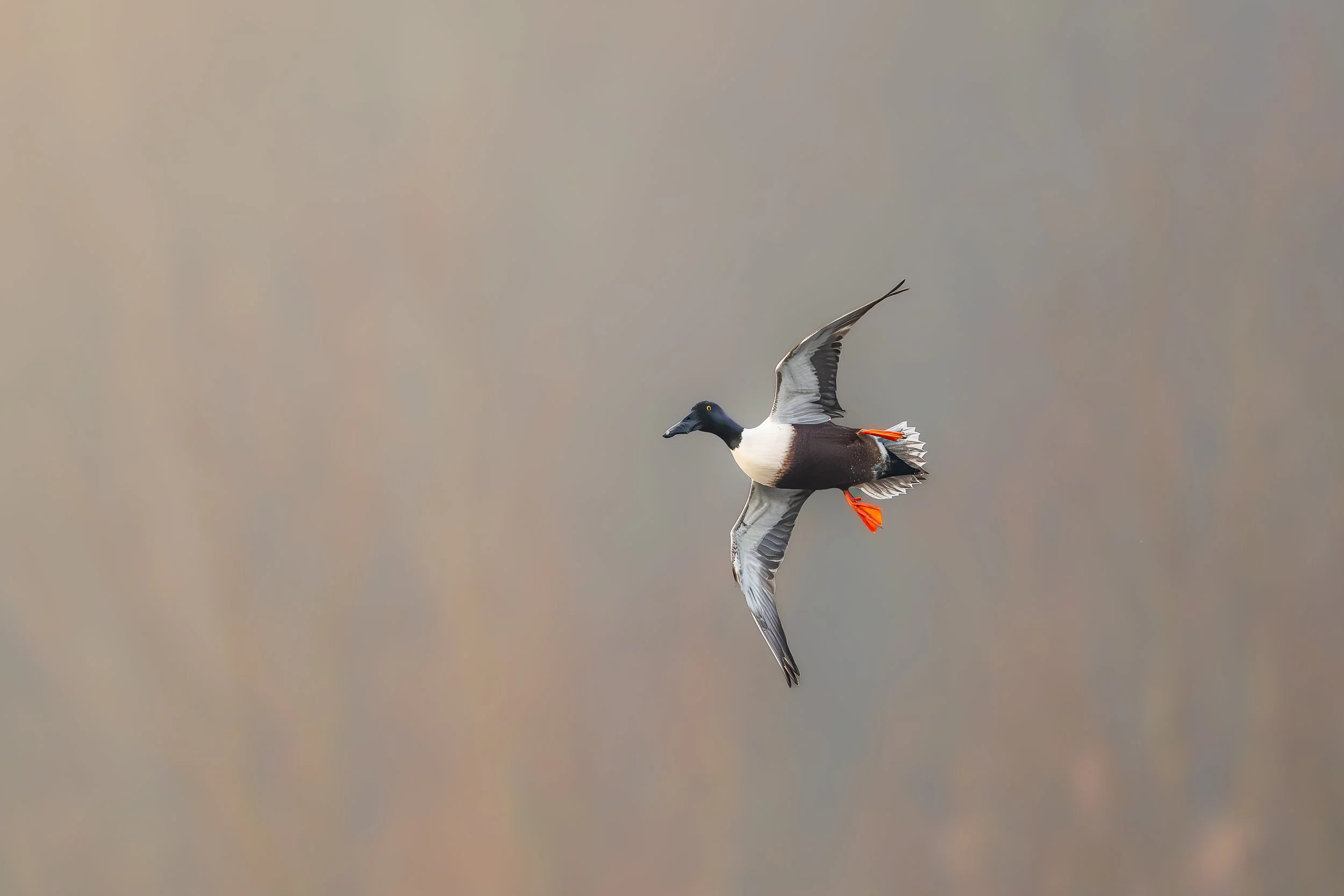
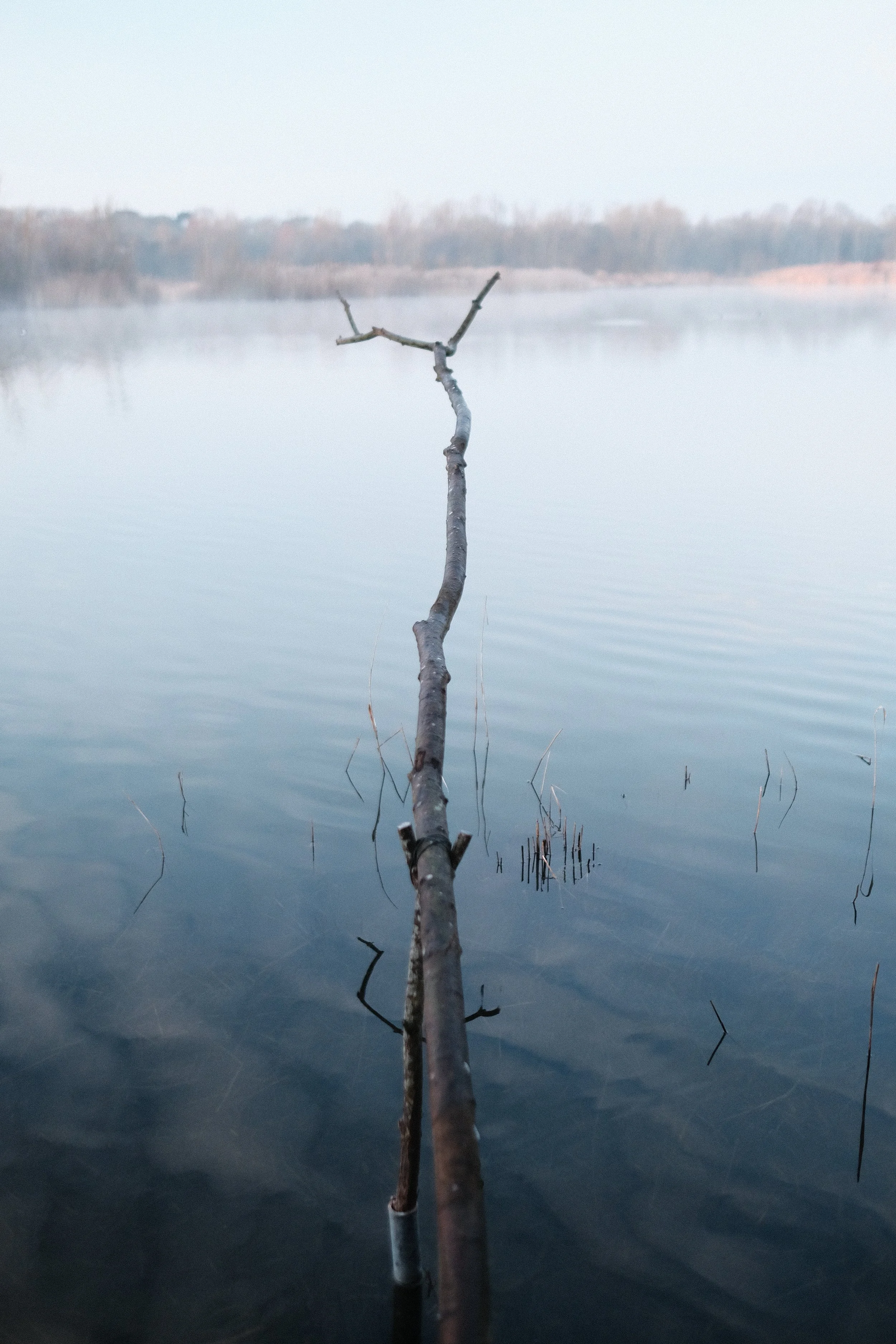
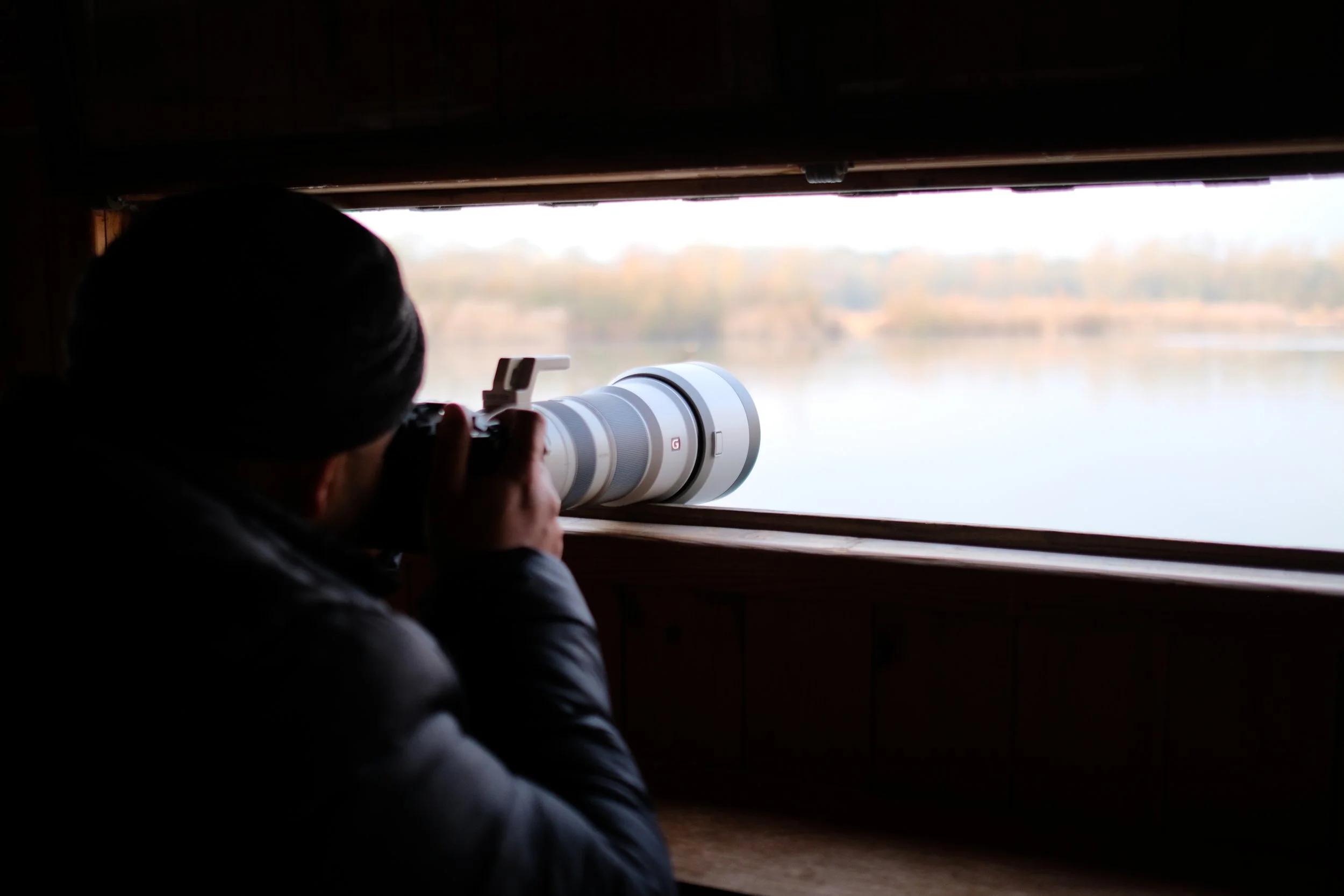
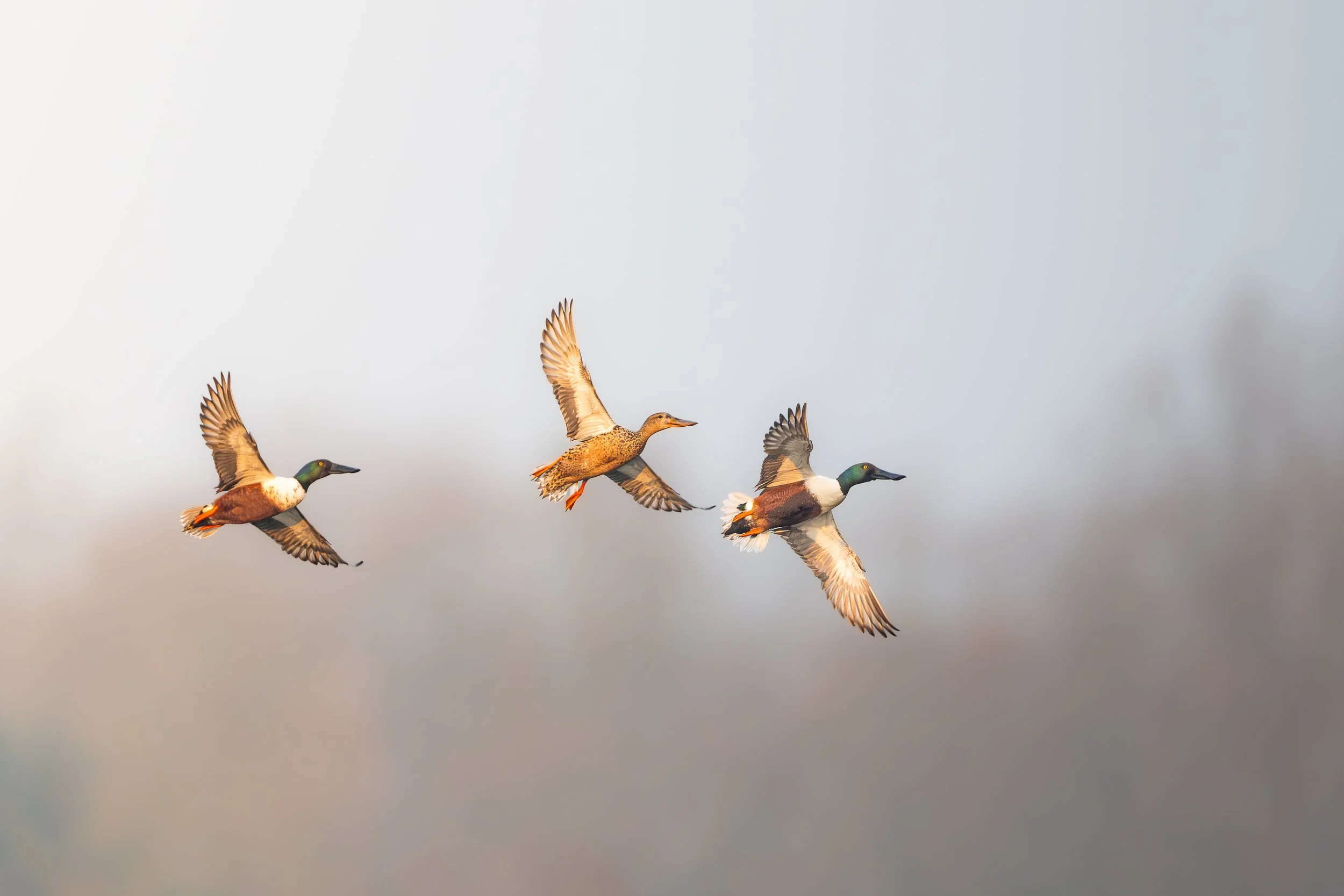
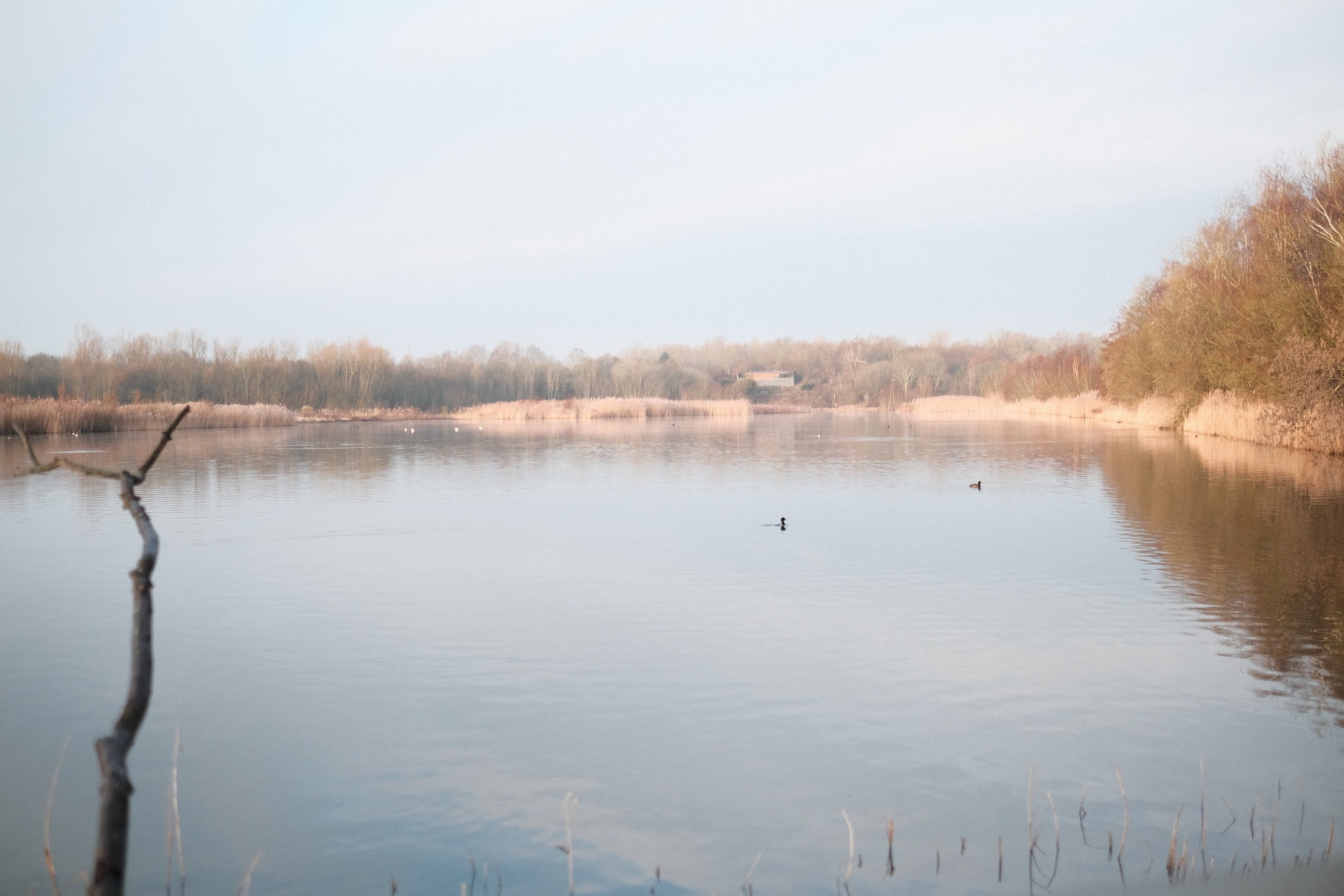
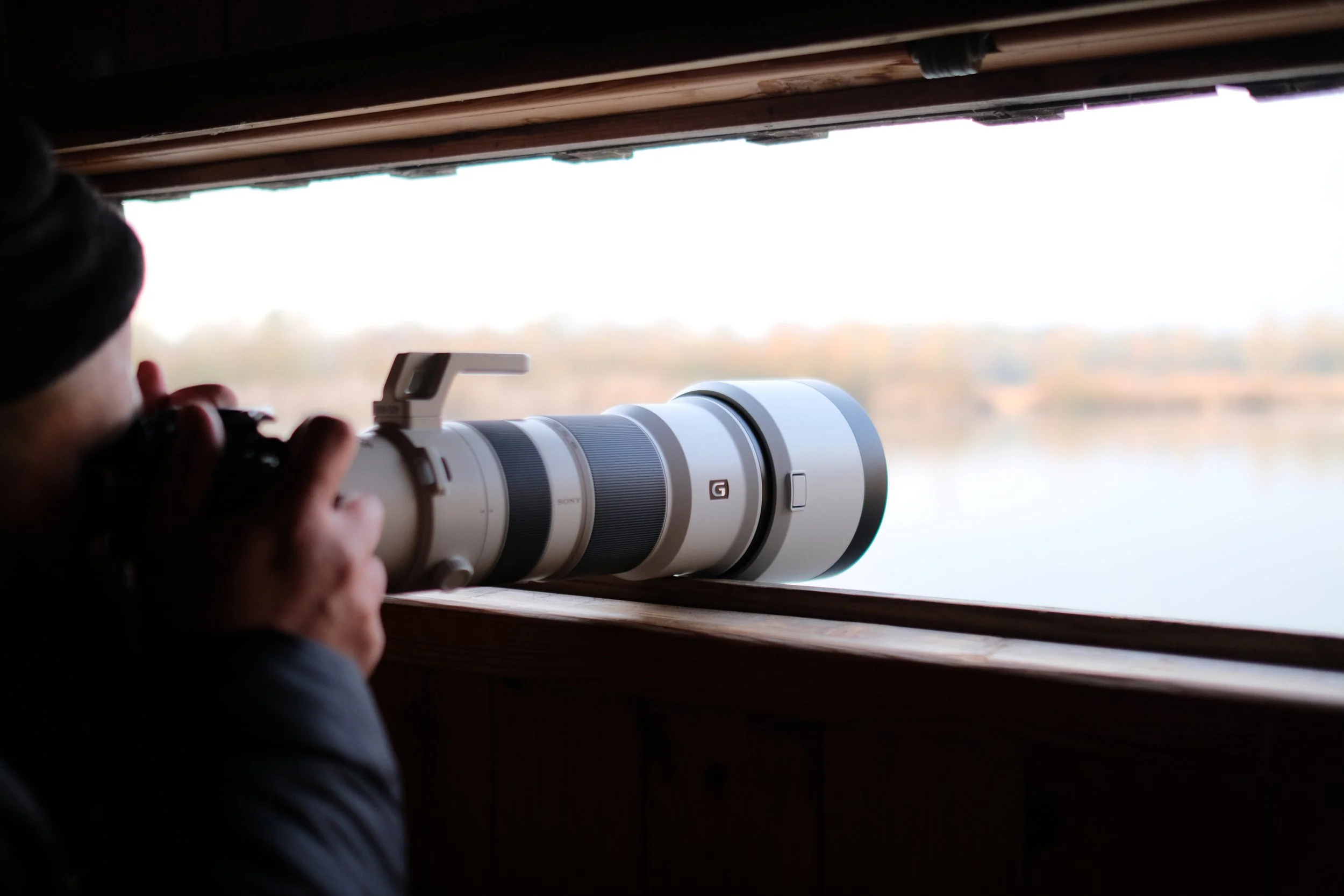
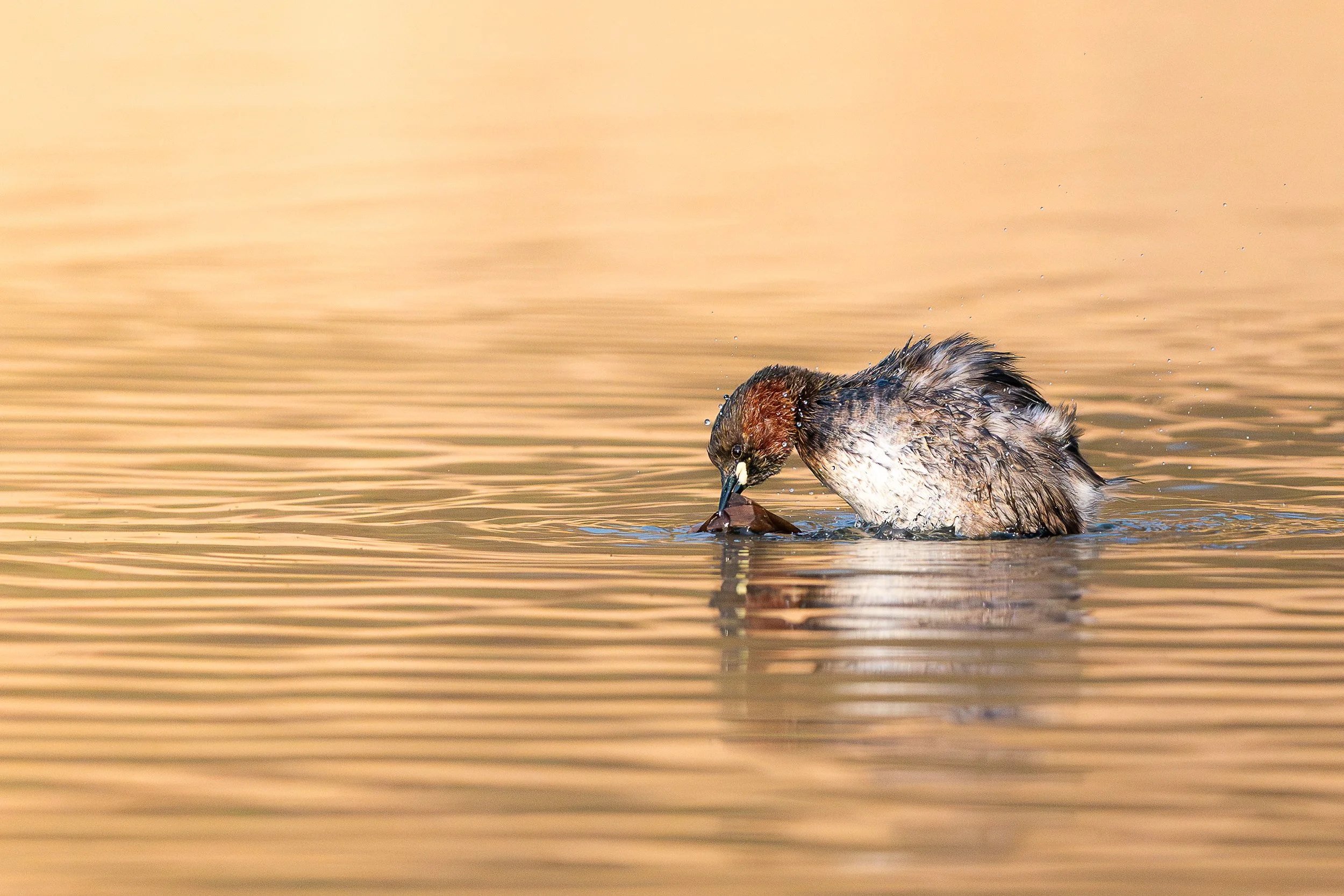
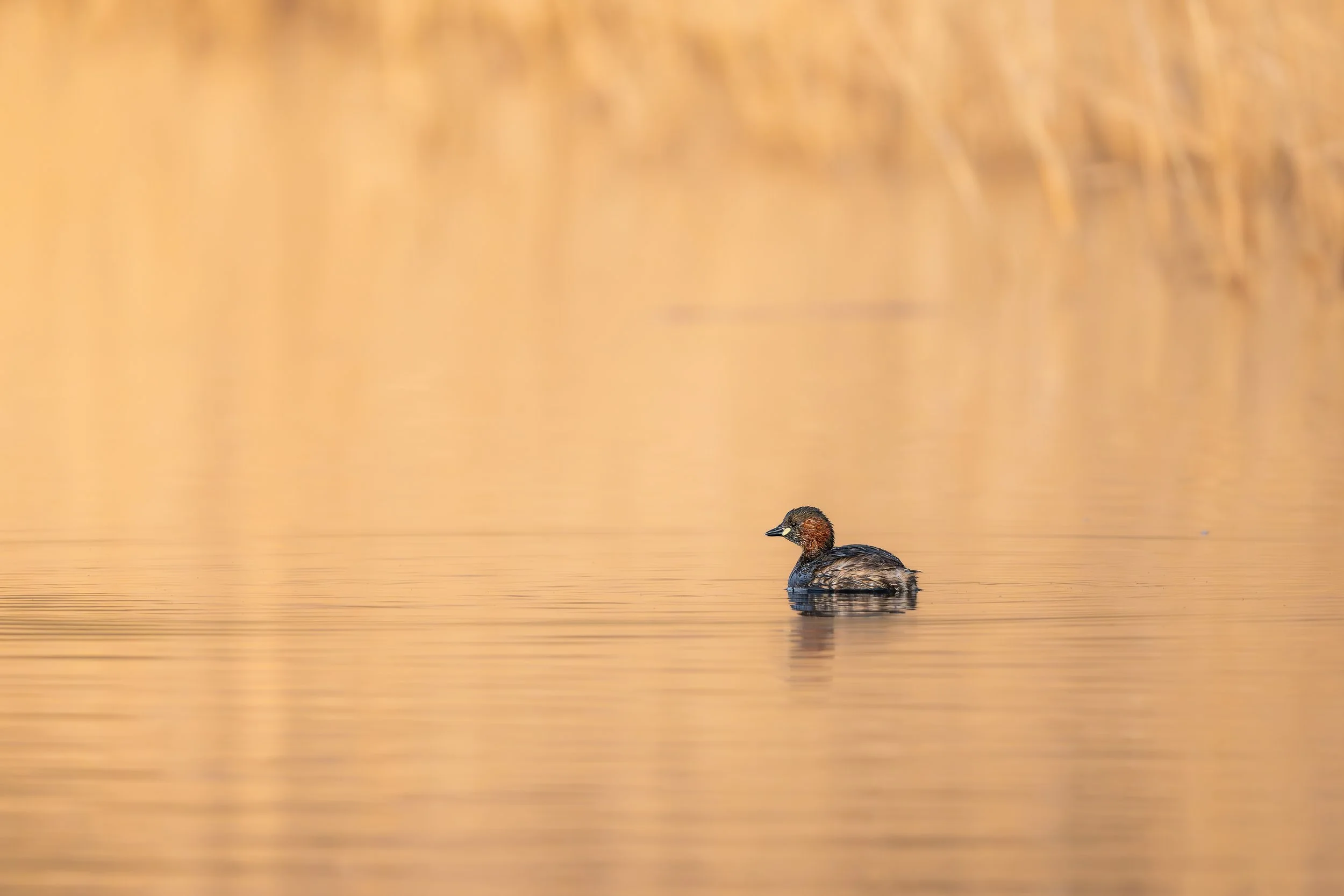
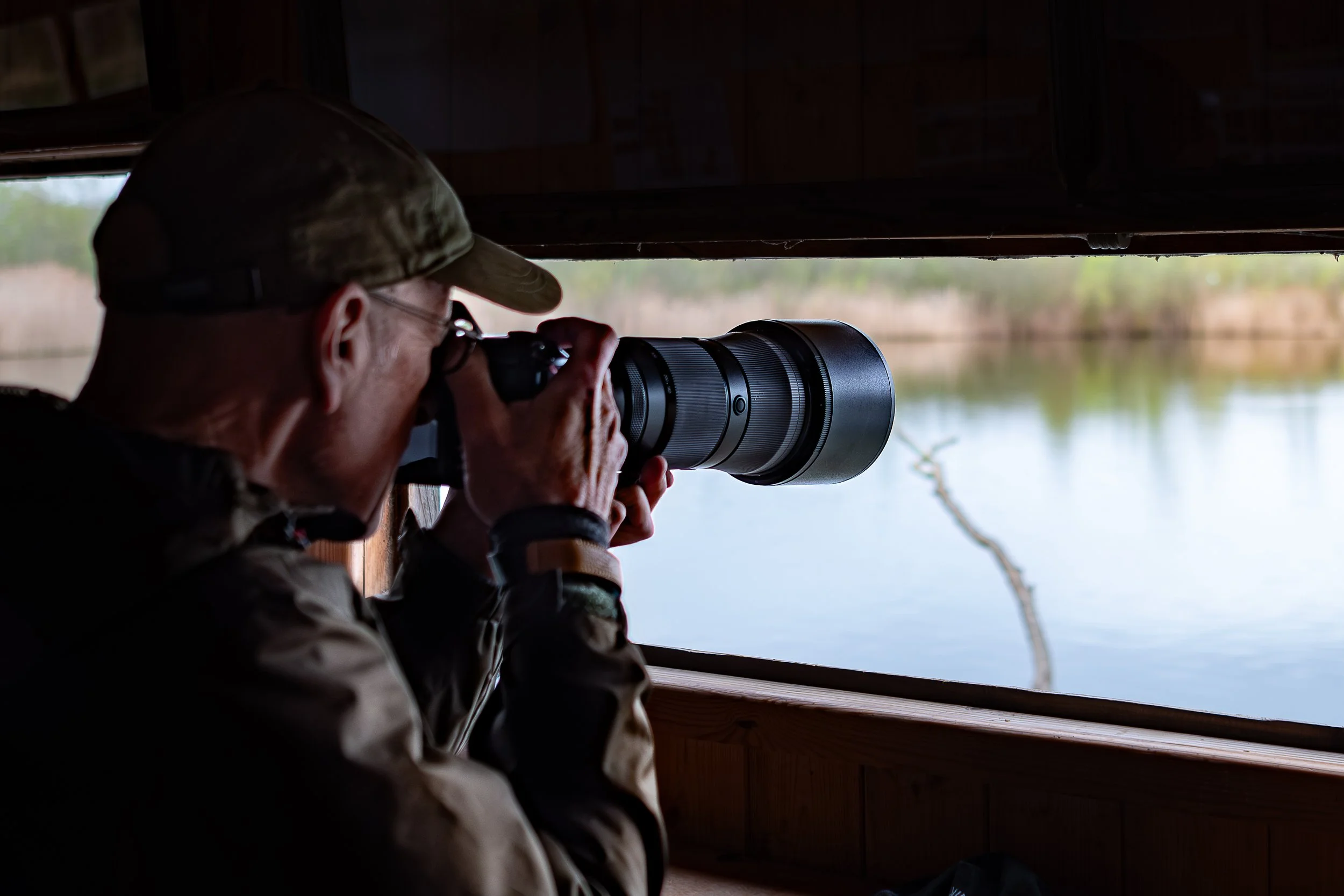
Here is a narrative built from the day — a sequence of moments seen through both the X-Pro2 with the 23mm f/1.4 and the Z8 with the 600mm f/4 TC. Nothing forced. Nothing staged. Just the way the day unfolded. In its simplest form, this is what narrative in wildlife photography looks like. Not a single image, but a thread. A shift from distance to proximity. From subject to place. From observer to participant. With a second setup quietly resting in your backpack, you give yourself the option to step out of the long lens and into the scene — to tell a story that sits closer to the viewer, almost placing them just behind your shoulder. Close enough to feel the air, the hesitation, the moment before something happens. And once you see it that way, it’s difficult to go back.
Because the photograph stops being something you take.
And becomes something you’re inside of.
The Birth of Something
Since then, something has shifted. On many of my routine outings, the Zf stays at home more often. The long lens still has its place — it always will. But this camera… This way of working… Keeps pulling me back. This feels like the beginning of something. A different way of approaching wildlife photography. A quieter one. A more observational one. I’ll be coming back to it. Not on a schedule. Not as a project. But when it feels right. I’m calling it:
Wild Rangefinder
A Small Note
If this way of seeing resonates with you — if you’re interested in moving beyond just photographing birds and into understanding how stories unfold in the field — I run small field sessions at Kempton Nature Reserve where we explore exactly that. No pressure. No hard sell. Just time in the field, learning how to observe.
You can find the upcoming dates here:
Date: Sunday 17 May 2026
Time: 7:30–11:30 AM
This workshop is designed for photographers who are already comfortable with their camera and want to deepen how they see and interpret wildlife behaviour.
Please note that a telephoto lens of at least 400mm focal length is advised for this workshop!
Meeting point: Main entrance, Kempton Nature Reserve
Limited to 6 photographers.
