
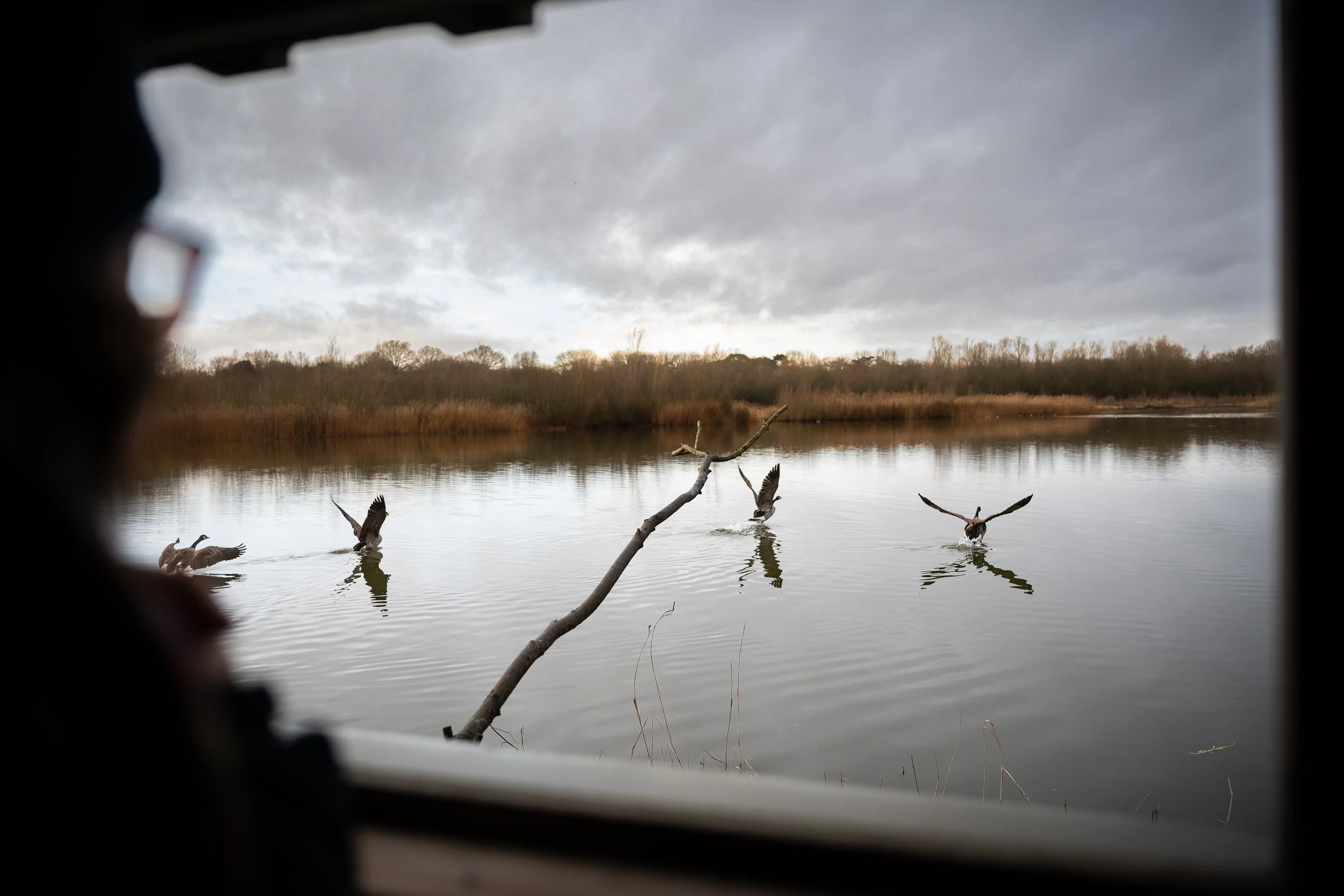
Kempton Nature Reserve Sessions
Field-based wildlife photography training focused on behaviour, observation, and narrative storytelling.
You’re not missing the shot — you’re missing the story that leads to it.
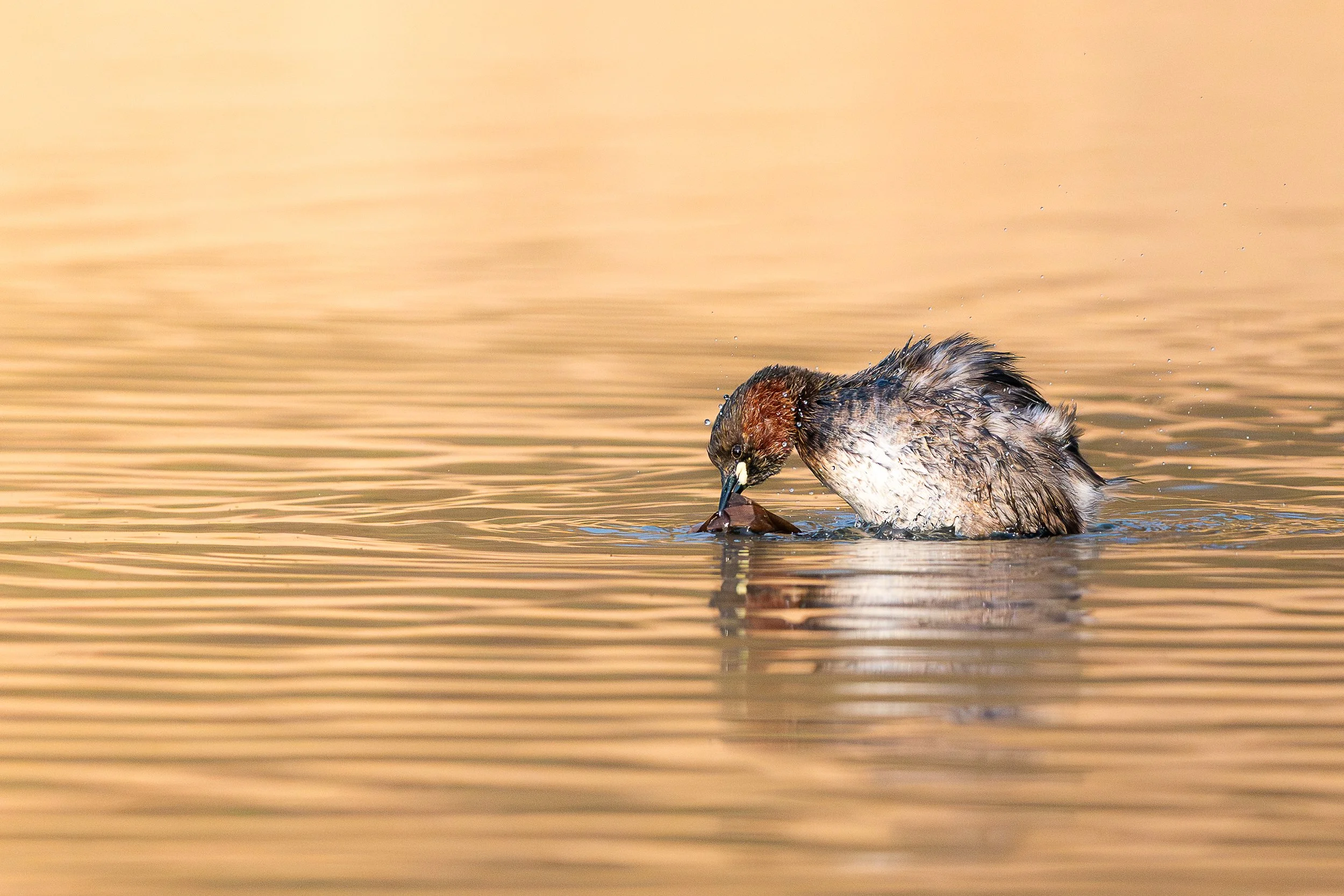
Most wildlife photographers aren’t limited by gear — they’re reacting instead of anticipating. The real problem isn’t technical.
It’s narrative.
If you don’t understand what your subject is doing — why it’s moving, pausing, hunting — you’ll always be a step behind the moment that matters. And when you review your photos, it shows. A collection of shots. But no story holding them together.
This session is built to change that.
What Will you Learn
-
Most wildlife photography workshops focus on finding subjects.
Kempton Sessions focus on something deeper: learning how to recognise behaviour before the moment happens.
Participants work on interpreting interactions between individuals, understanding intent, and identifying the points where behaviour becomes visually meaningful.
The aim is not simply to capture images, but to build photographs that imply story — frames that suggest what happened before and what might happen next.
-
Wildlife photography improves dramatically once photographers stop reacting to moments and start anticipating them.
In the field we study behavioural patterns — how birds approach territory, how individuals compete, and how subtle changes in posture signal an upcoming action. These cues often appear seconds before the moment happens.
By learning to recognise these signals, photographers can position themselves earlier, compose more carefully, and capture images that feel intentional rather than accidental.
Kempton Nature Reserve is particularly suited for this kind of observation because many species interact constantly — gulls competing for space, corvids disturbing feeding groups, and waterfowl performing seasonal courtship behaviour.
-
A common mistake in wildlife photography is constantly switching subjects.
During the workshop we practise what I call the Individual Lock-On Exercise — selecting one individual bird and following its behaviour over time.
This approach reveals patterns that are normally invisible. You begin to notice how one bird reacts to others, how it defends space, how it searches for food, and how tension builds before interaction.
Photographers who practise this technique often begin to capture sequences rather than isolated images — frames that together suggest a story.
-
Great wildlife photographs often suggest more than what is visible in a single frame.
Rather than focusing only on technical perfection, we explore how composition, timing, and subject interaction can create images that imply a larger story.
A bird entering another bird’s space, a moment of hesitation before flight, or a confrontation between individuals can all create narrative tension inside the frame.
During the session we practise recognising these moments and framing them in ways that communicate behaviour rather than simply documenting it.
-
Many wildlife photographers focus only on the subject and forget the environment around it.
Kempton Nature Reserve offers a variety of natural backdrops — open water, reed edges, shallow banks, and distant treelines. Each location creates different visual opportunities depending on light and behaviour.
Participants learn how to position themselves in relation to these elements to create stronger images — using reflections, layers, and clean backgrounds to support the story unfolding in front of the camera.
Quiet stage for behaviour
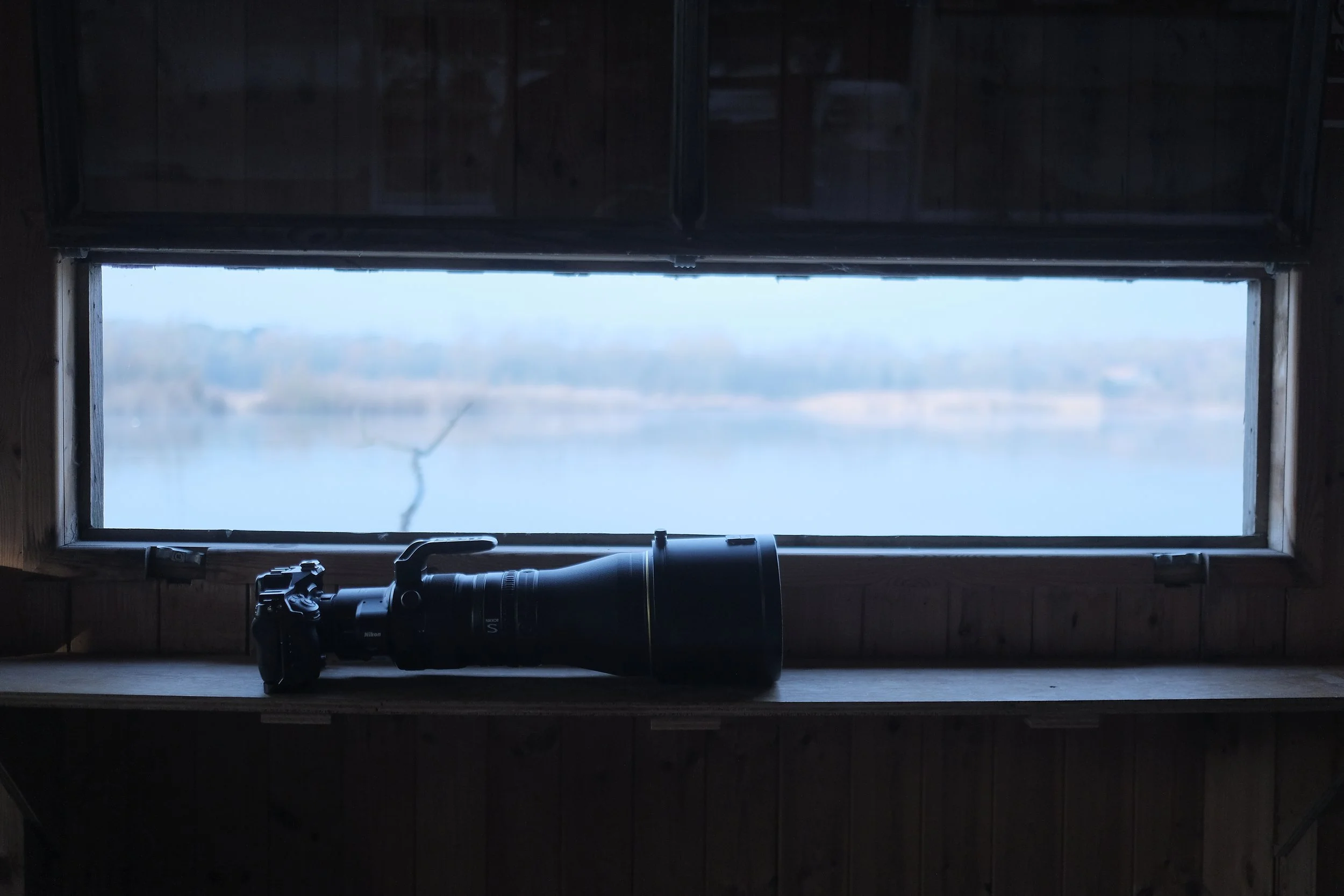
Kempton Nature Reserve offers something rare for wildlife photographers: a space where behaviour unfolds slowly and repeatedly.
Rather than relying on rare species, Kempton rewards careful observation. Gulls compete for territory, crows disrupt feeding patterns, waterfowl perform seasonal rituals, and subtle hierarchies play out across the lake.
For photographers interested in storytelling, this kind of environment becomes a stage. The action is rarely dramatic, but it is constant — and those who learn to read it can anticipate moments others miss.

About Your Instructor
Victor Sulakvelidze – Featherframe
Local wildlife photographer and educator specialising in narrative wildlife photography and responsible field practice. Victor works with local reserves and communities to help photographers slow down, observe and tell better stories through their images.
