What Happens When Nothing Happens — A Wildlife Photography Workshop at Kempton Nature Reserve
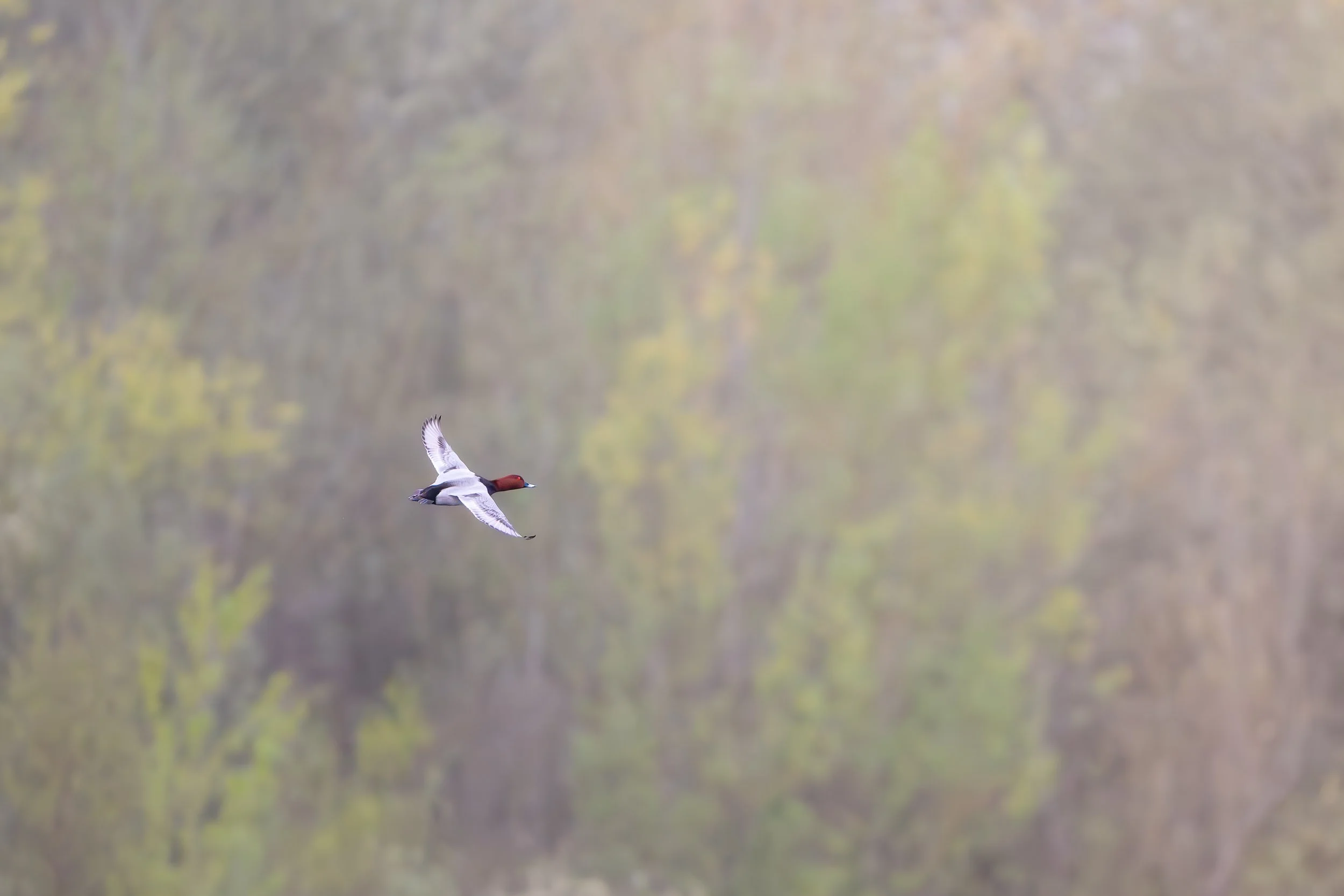
At first glance, it looked like nothing was happening.
Which, as it turns out, is usually where things start going wrong.
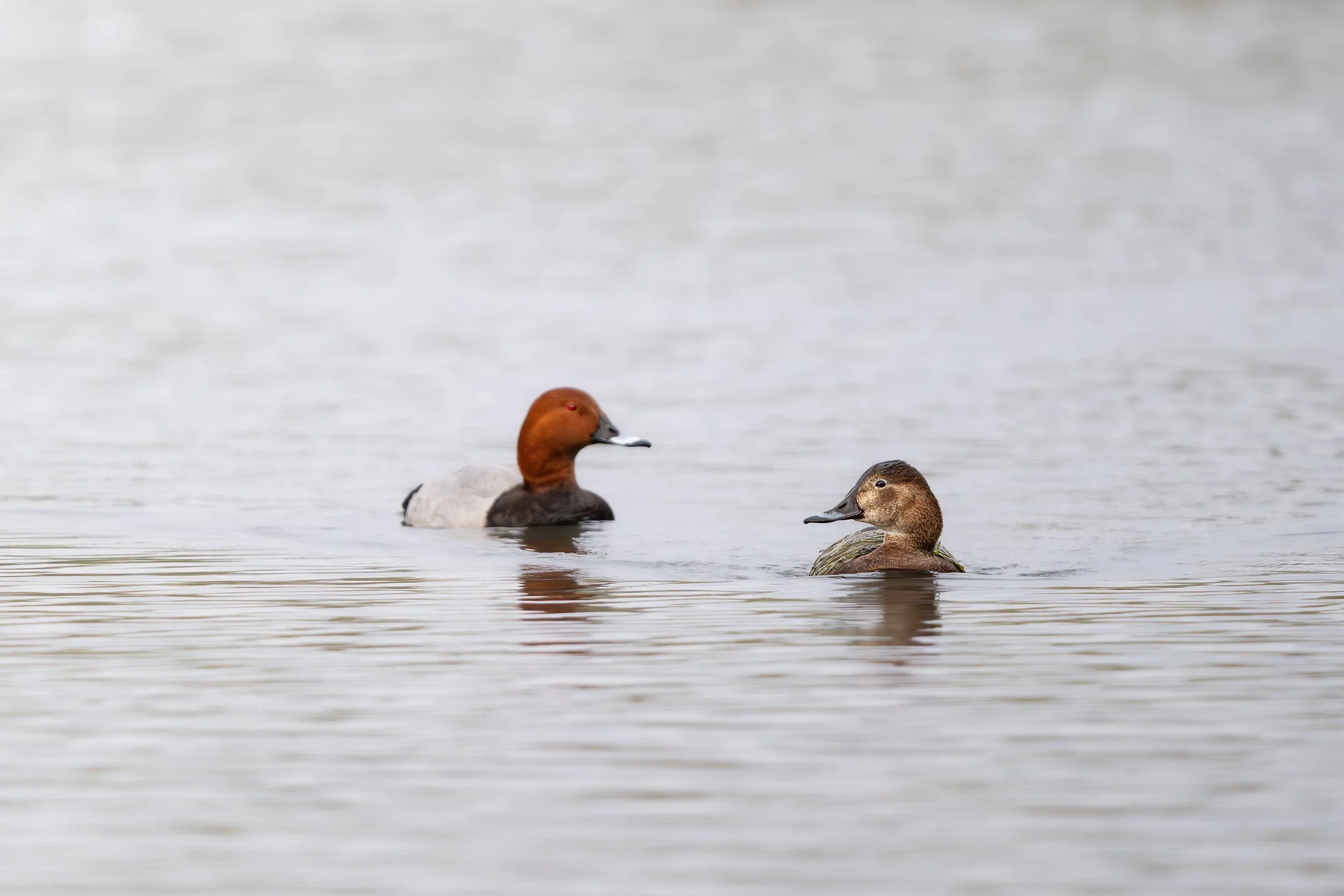
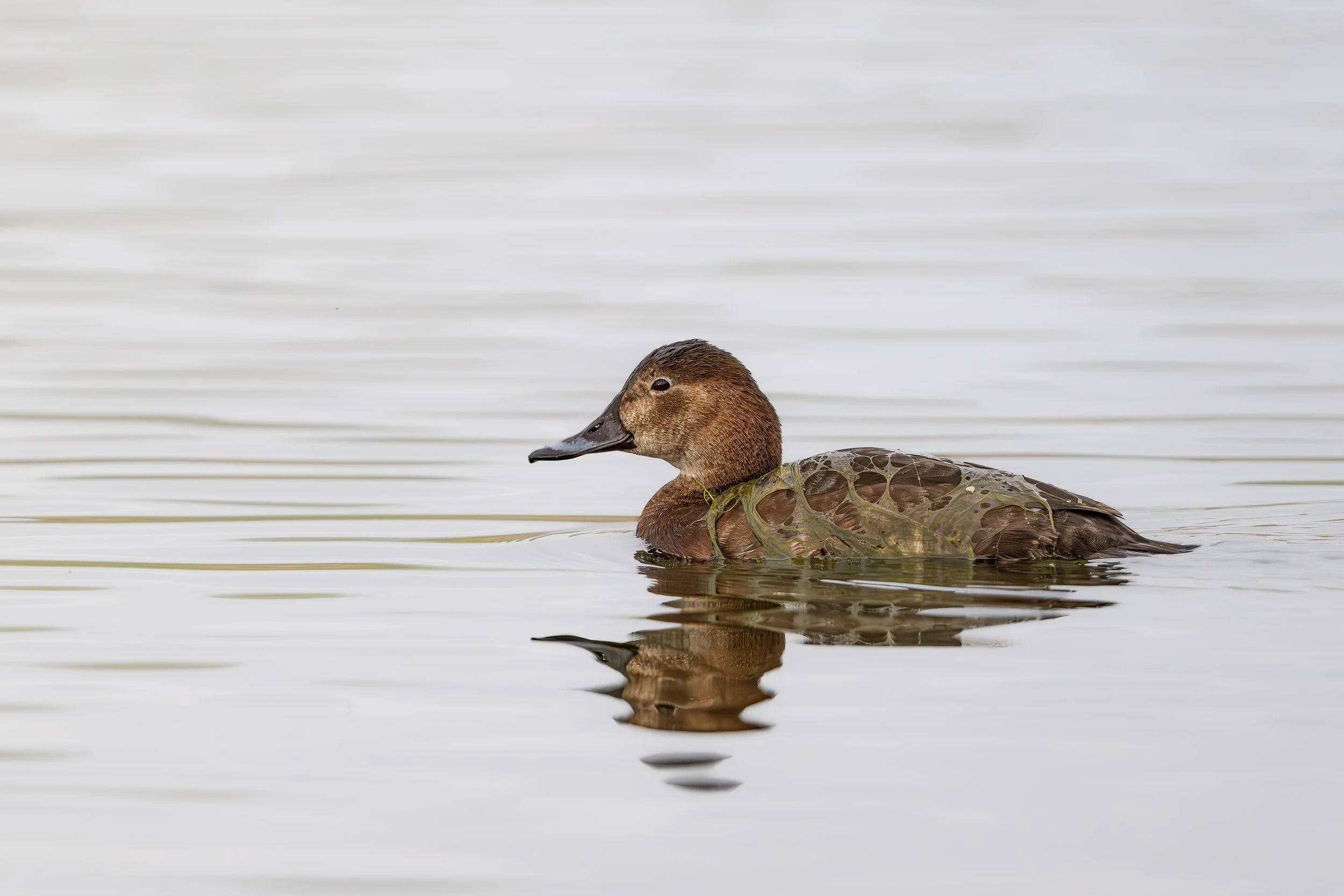
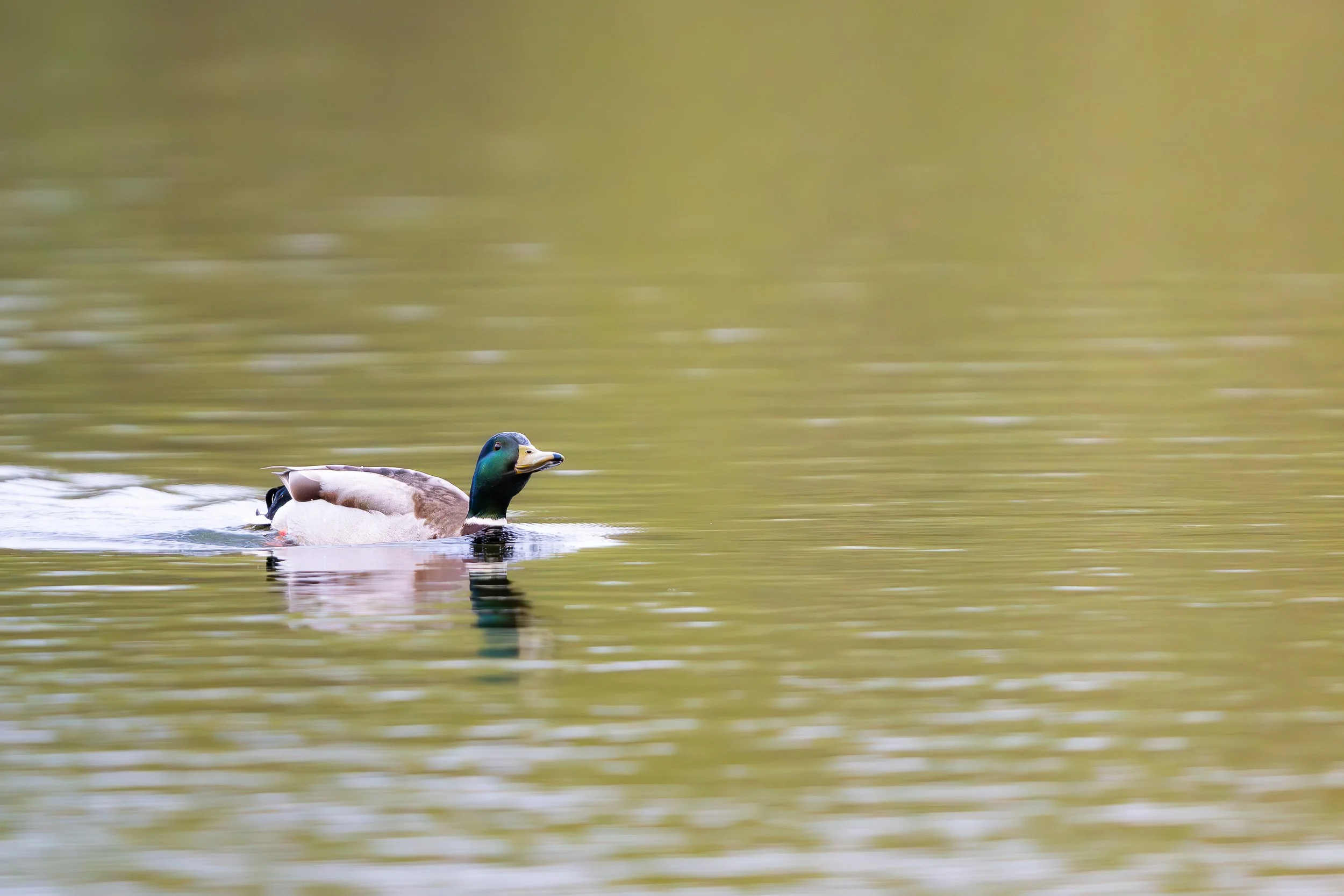
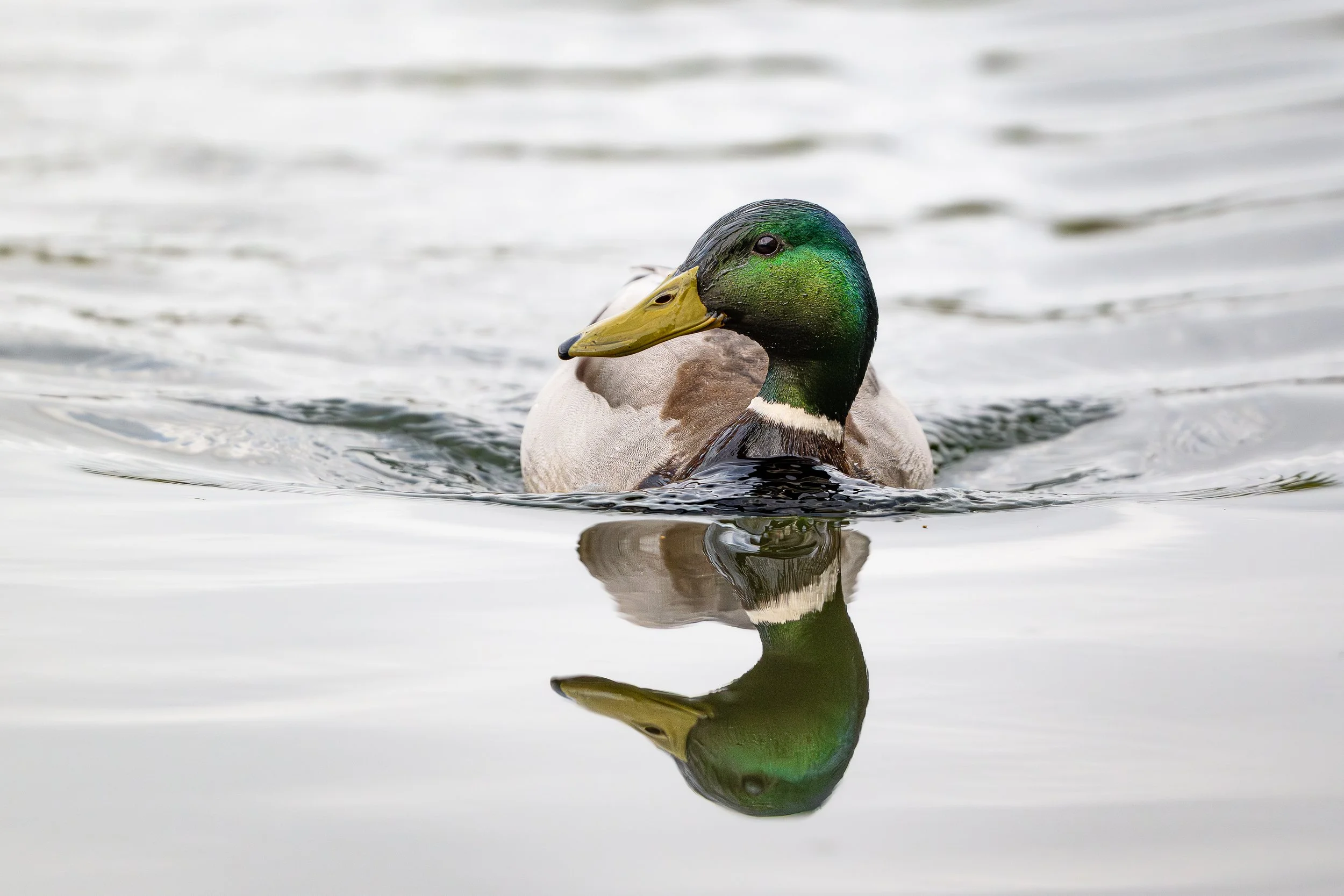
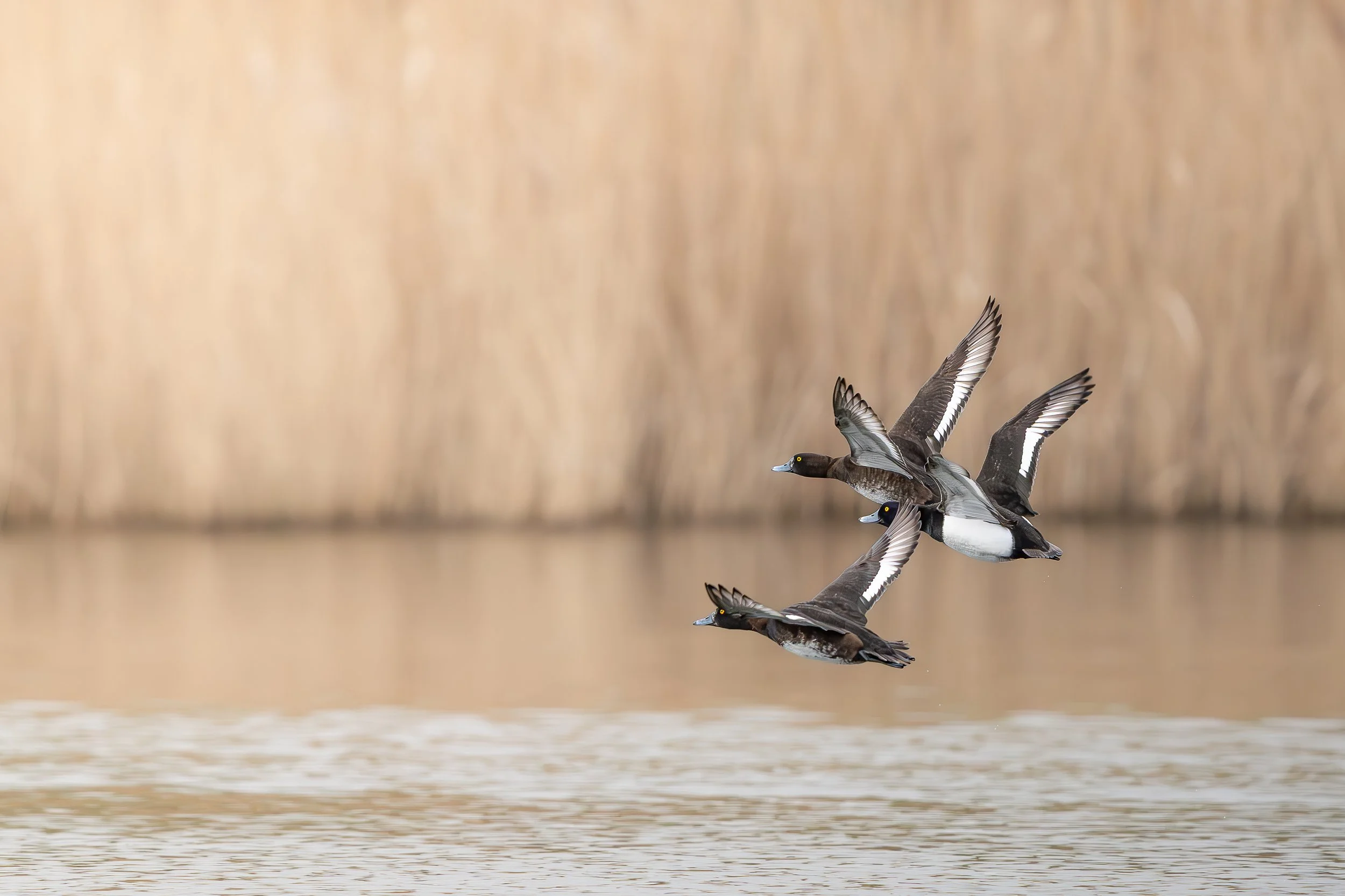
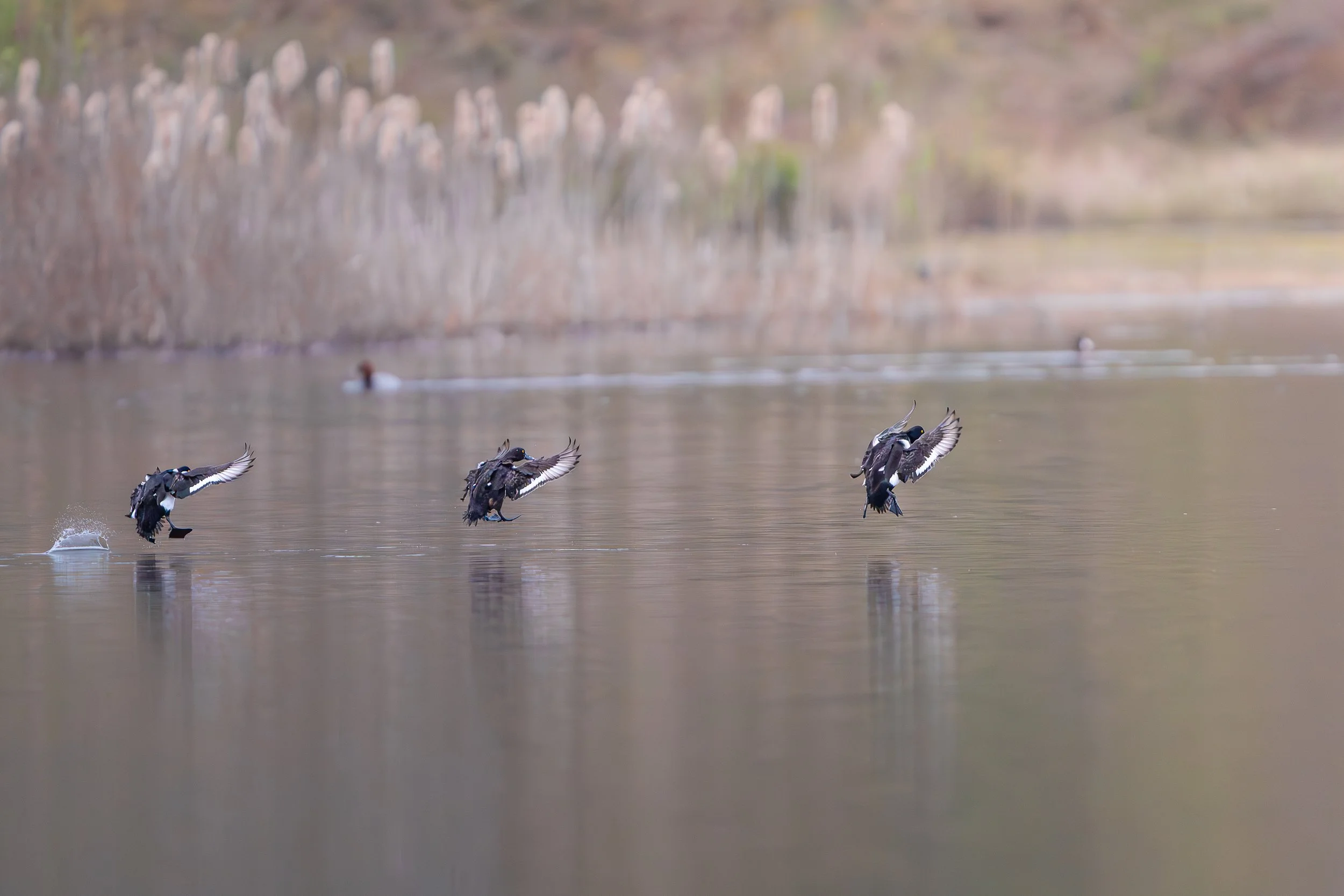
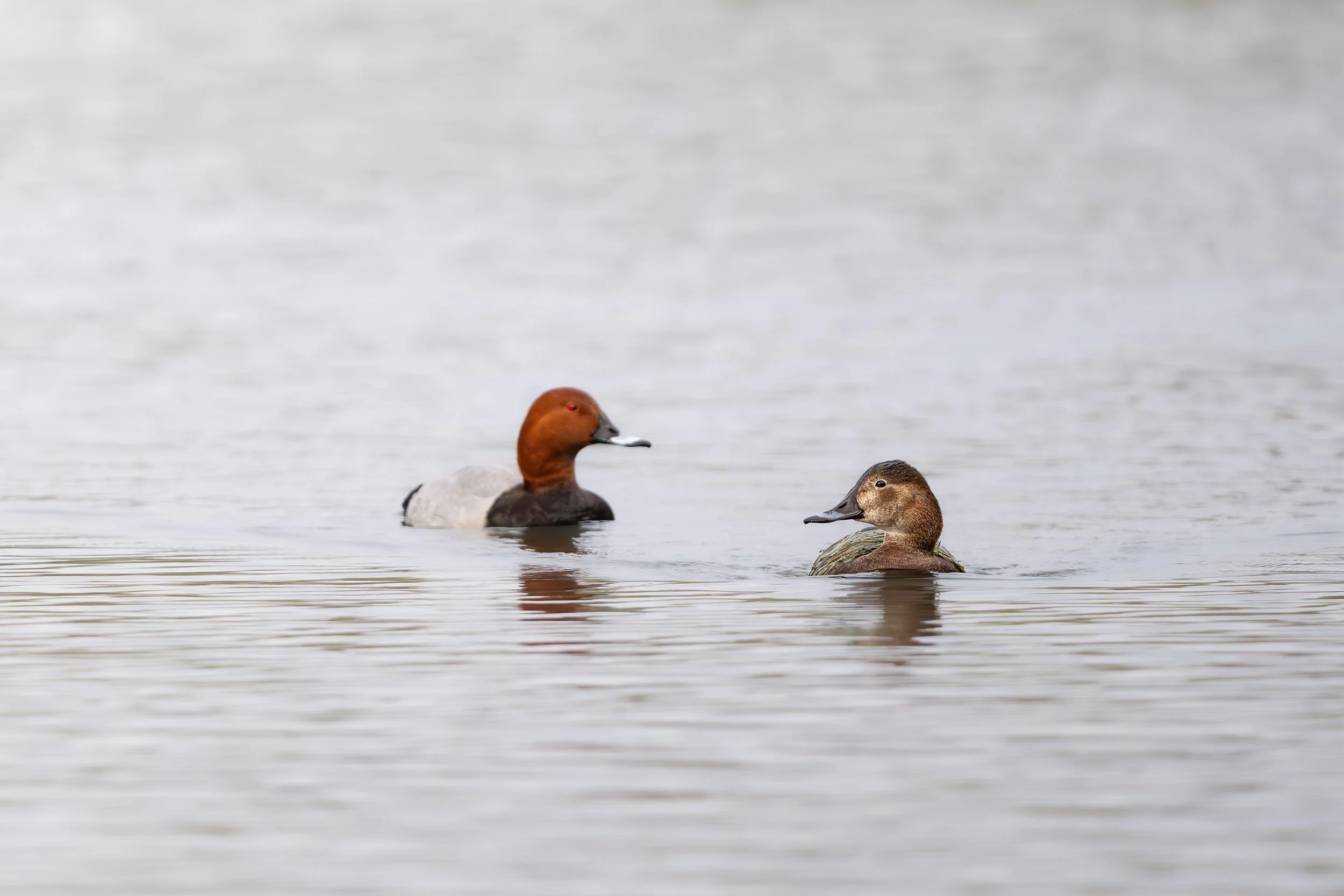
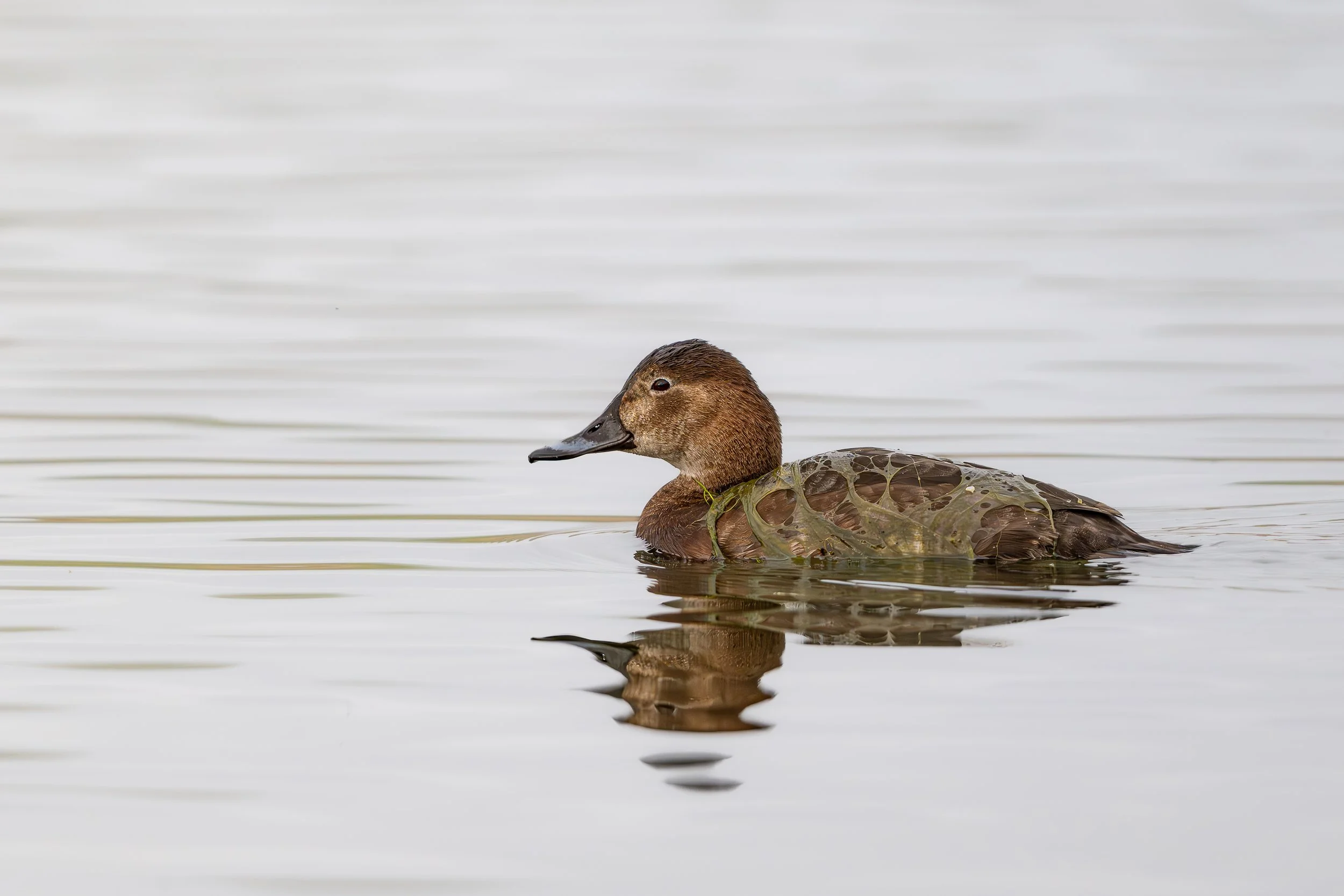
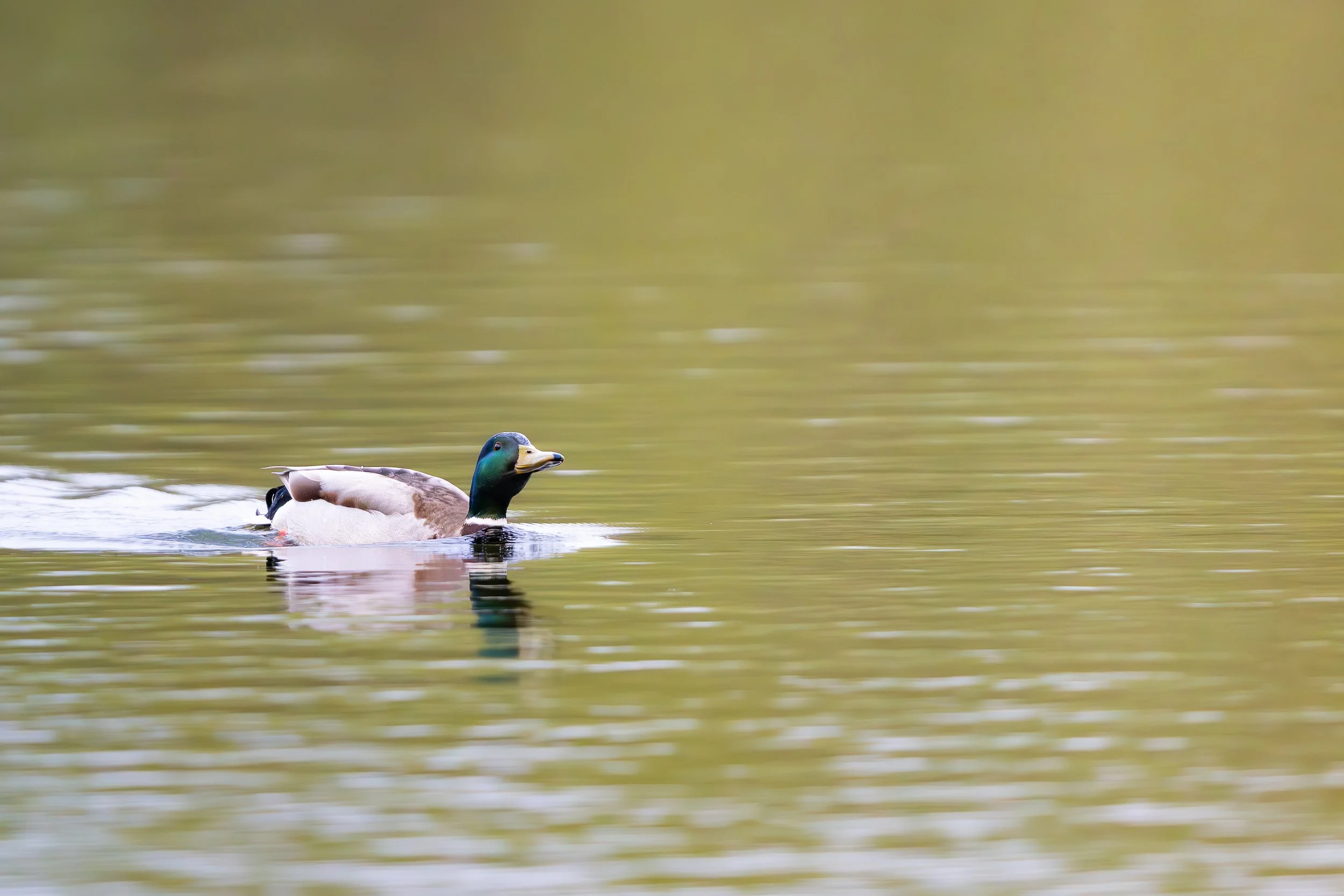
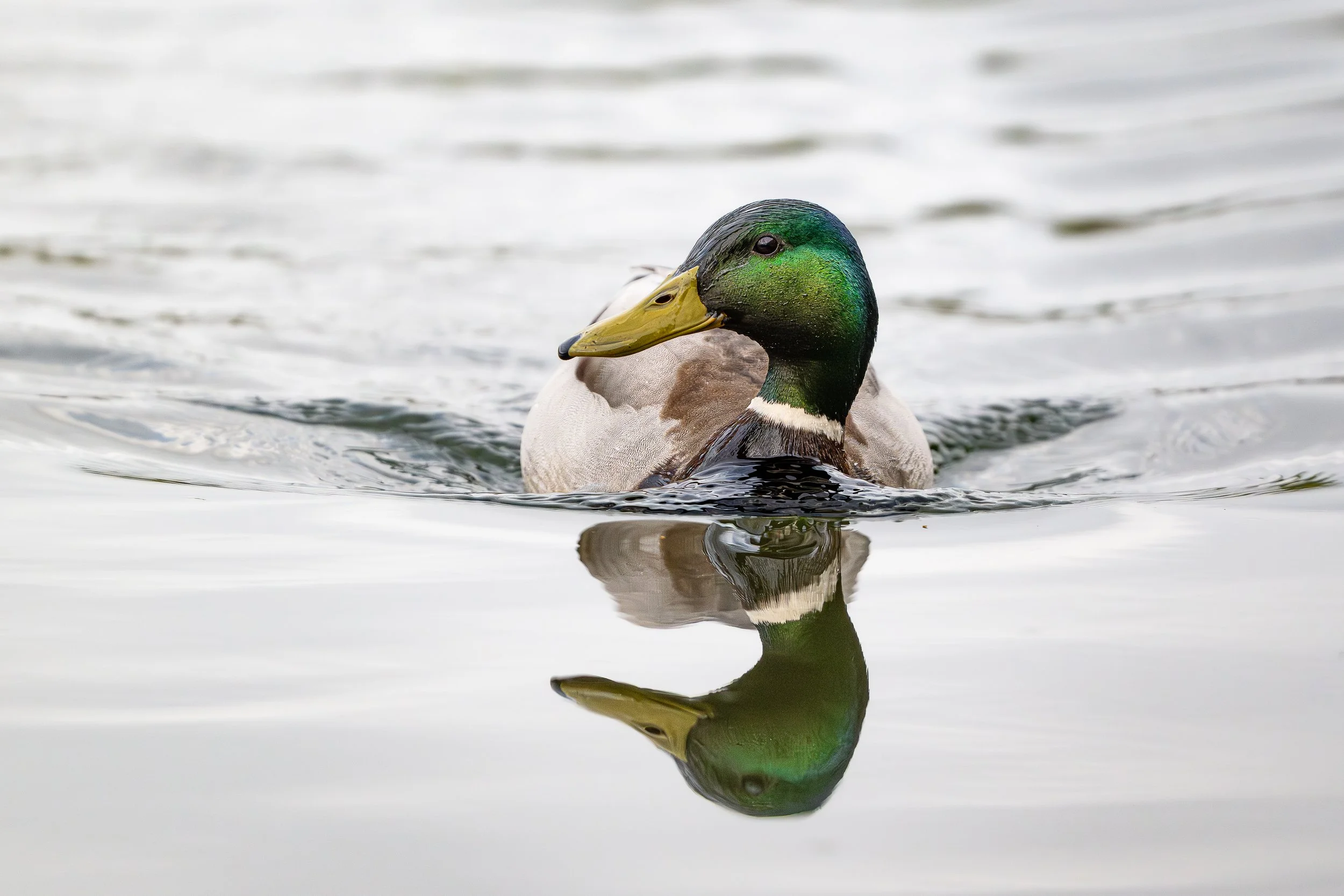
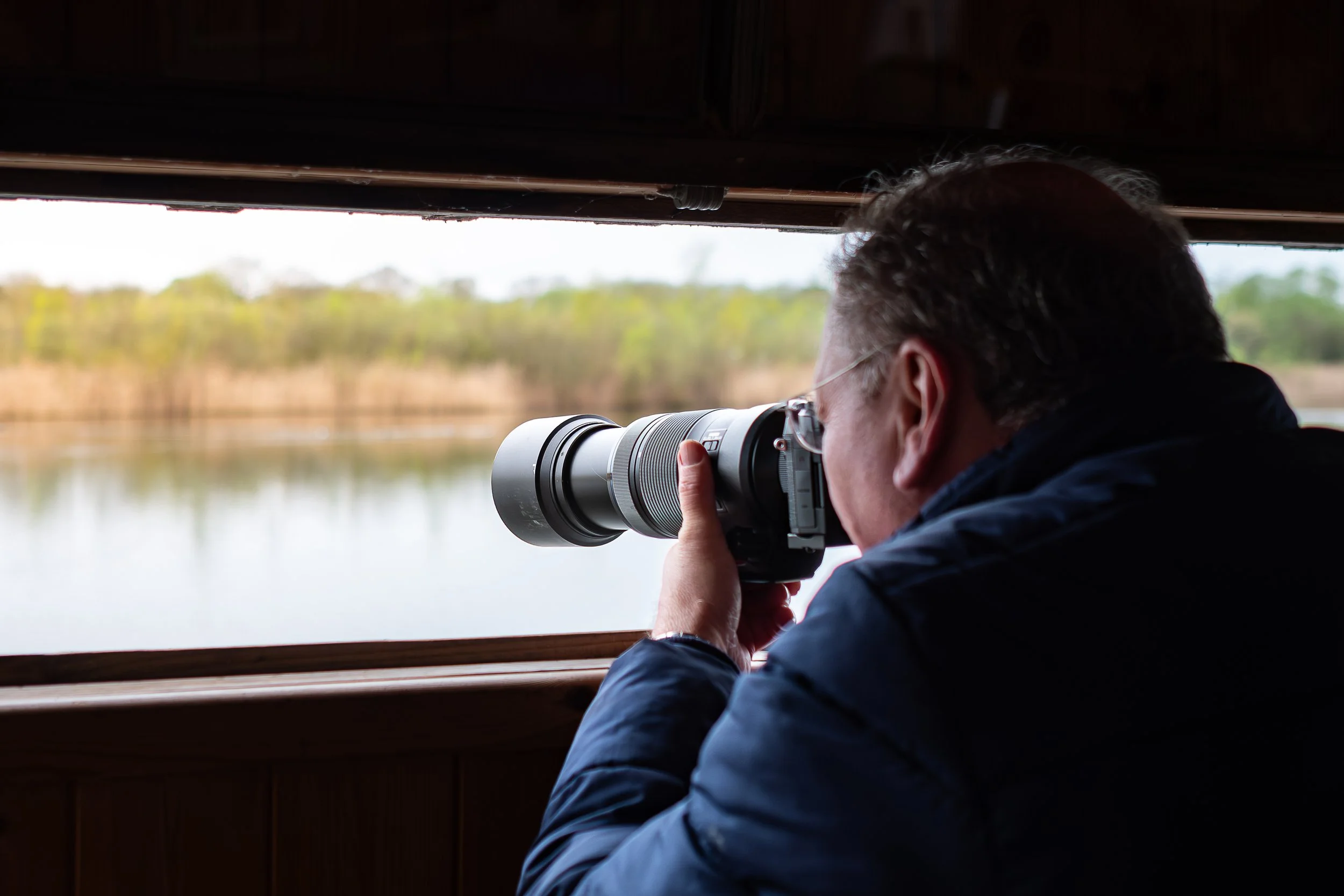
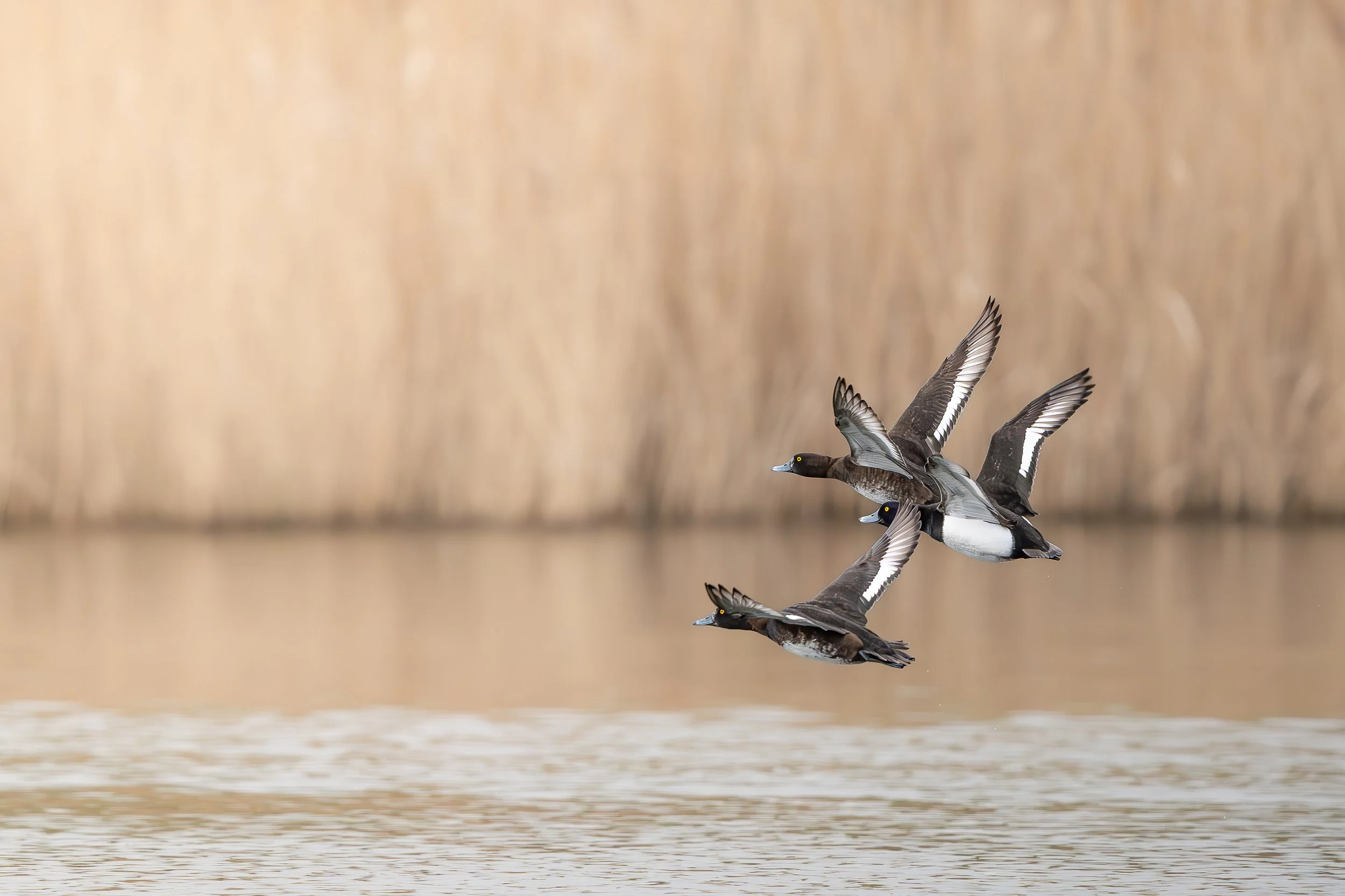
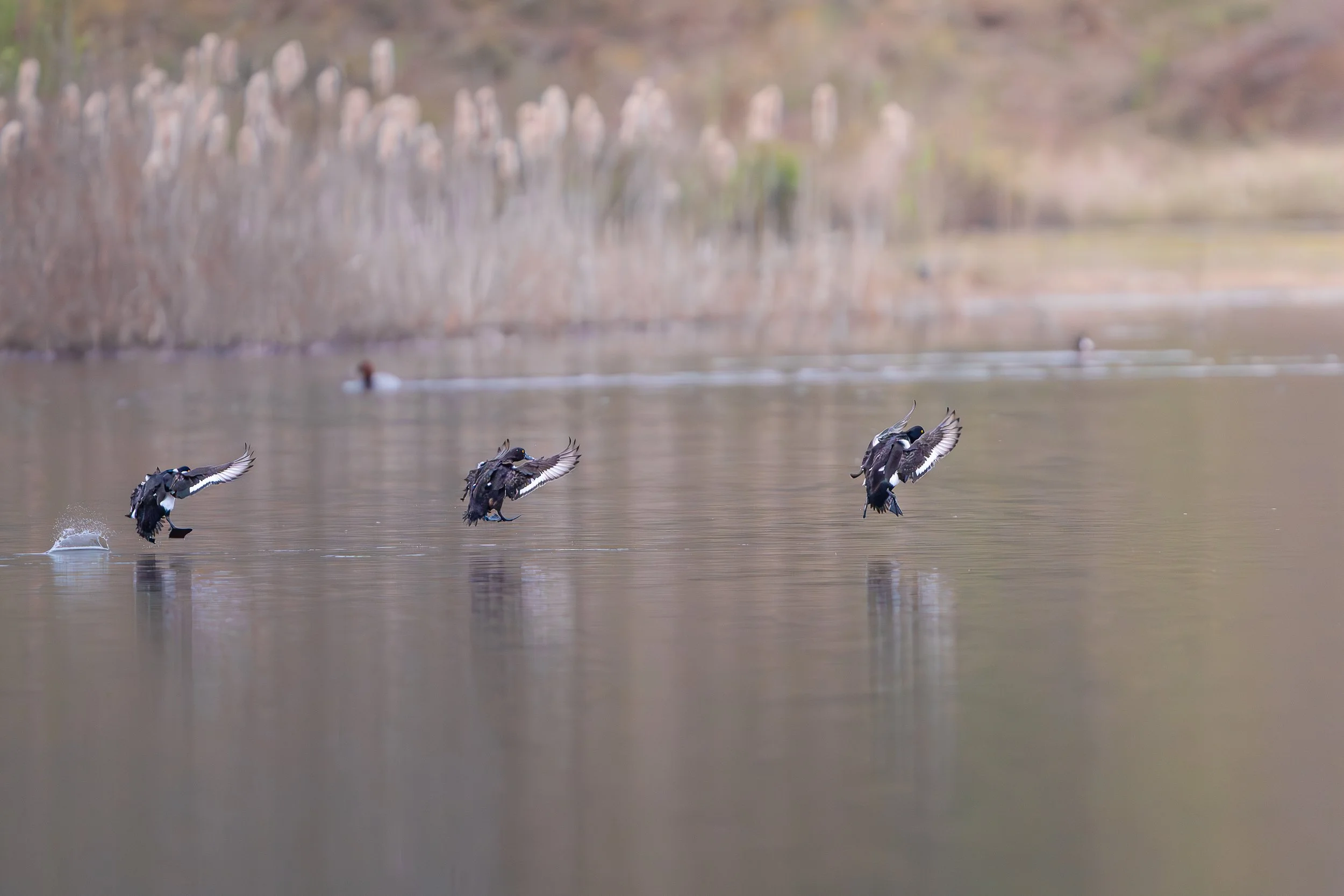
Kempton Nature Reserve had settled into one of those deceptively calm mornings. The water was flat, the light was soft but unremarkable, and the birds were going about their business with no intention of putting on a show for anyone with a camera. A few ducks drifted past, a grebe disappeared every now and then, and that was about it.
In other words, a fairly standard morning for wildlife photography — and exactly the kind of conditions that tend to expose how people actually shoot.
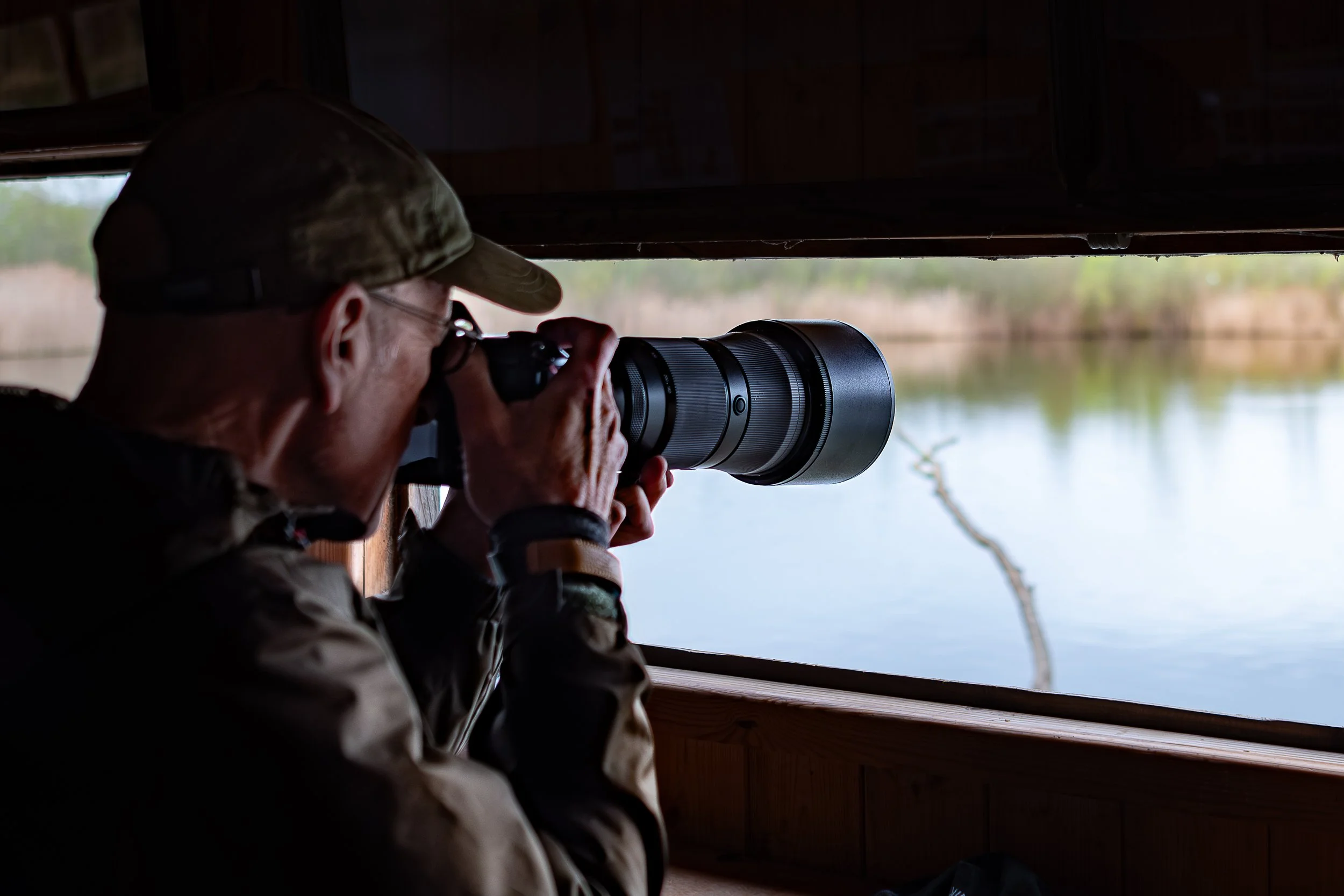
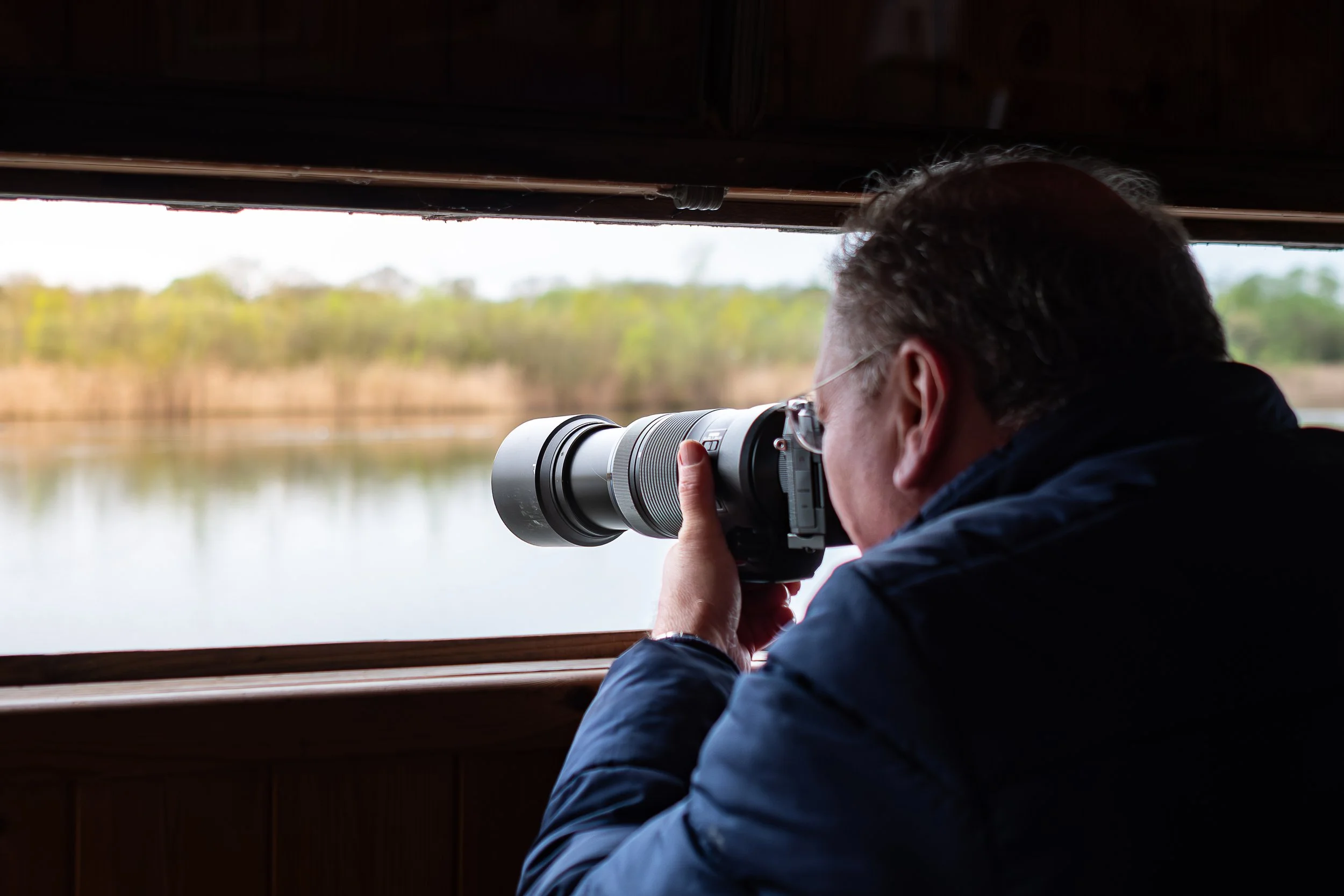
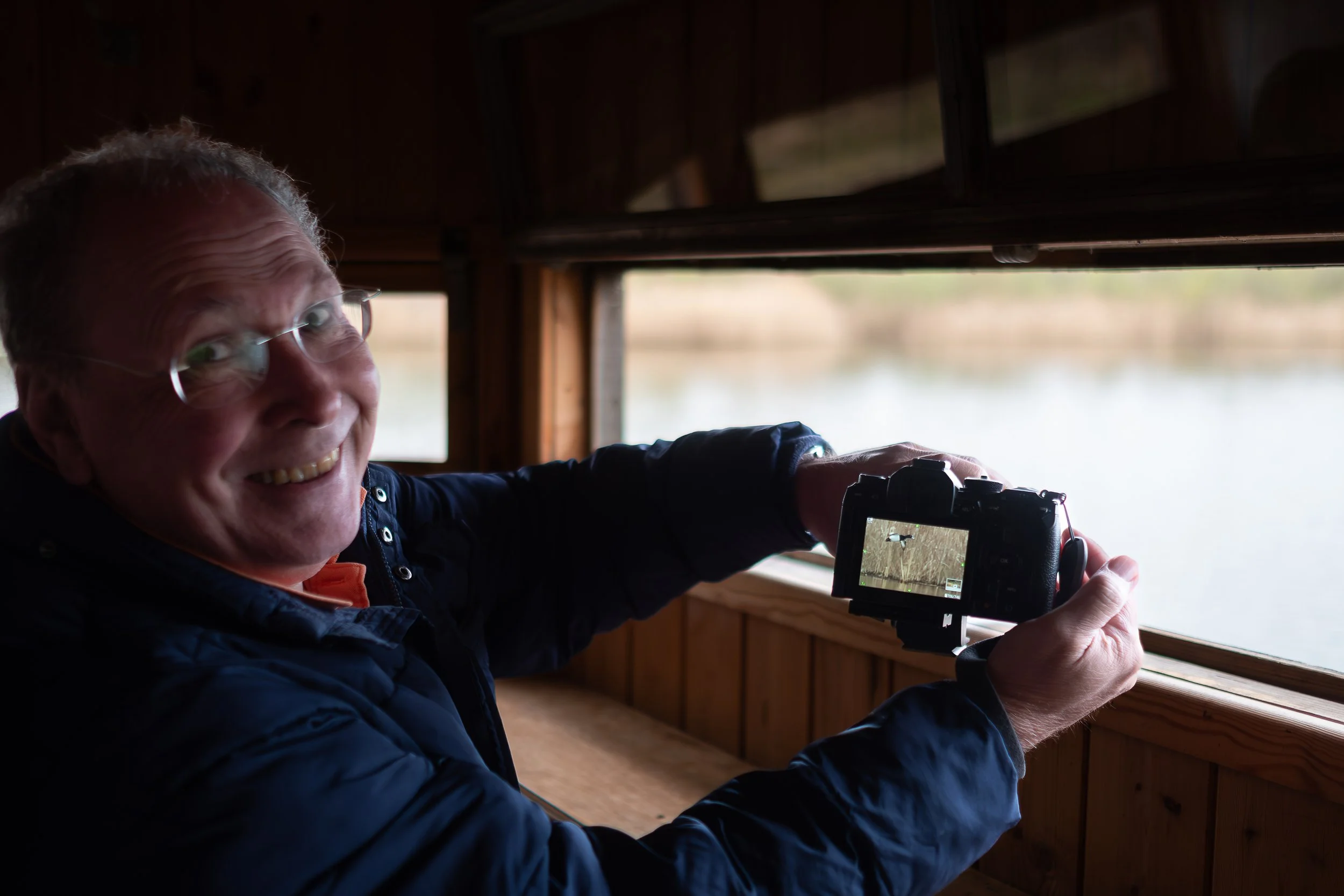
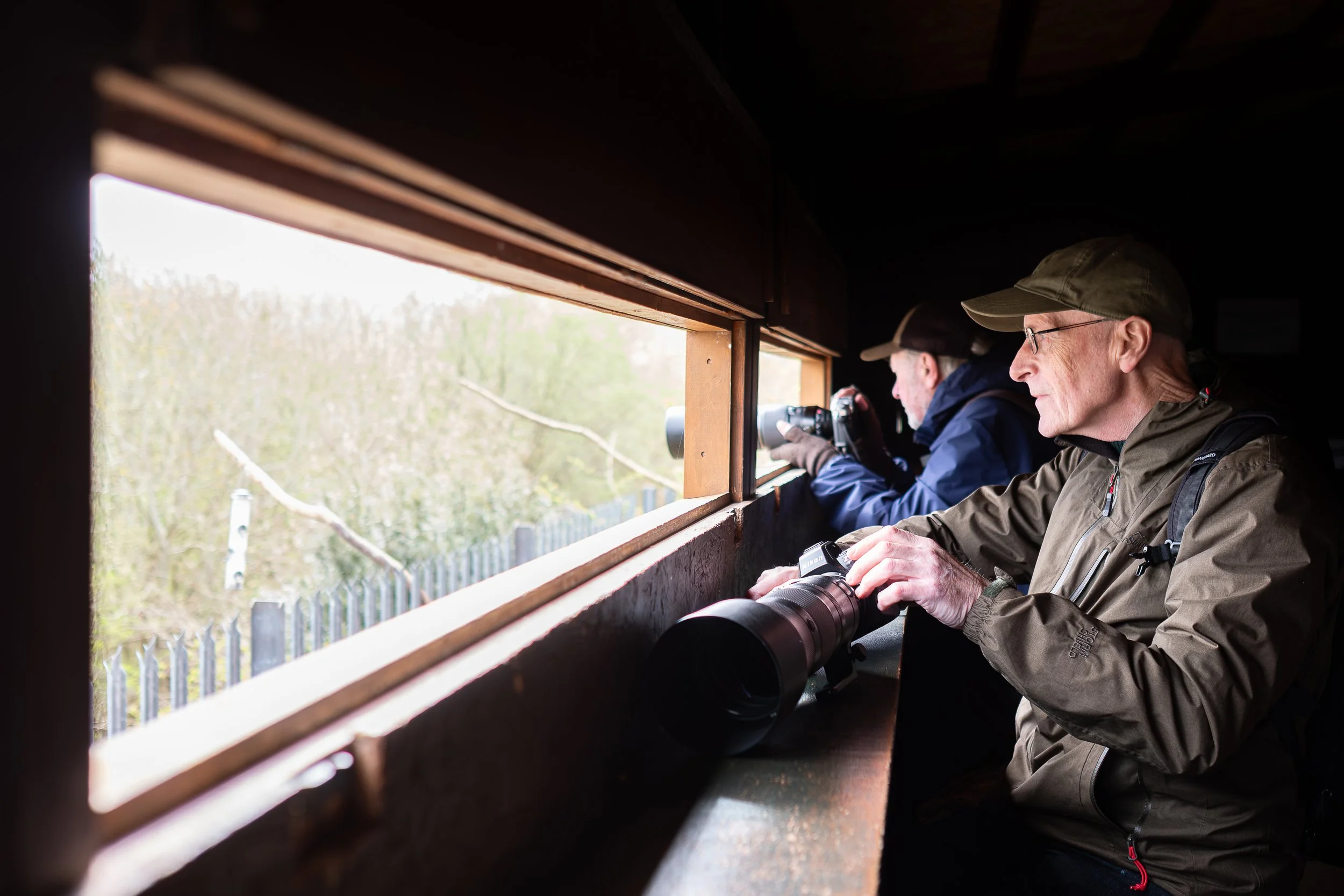
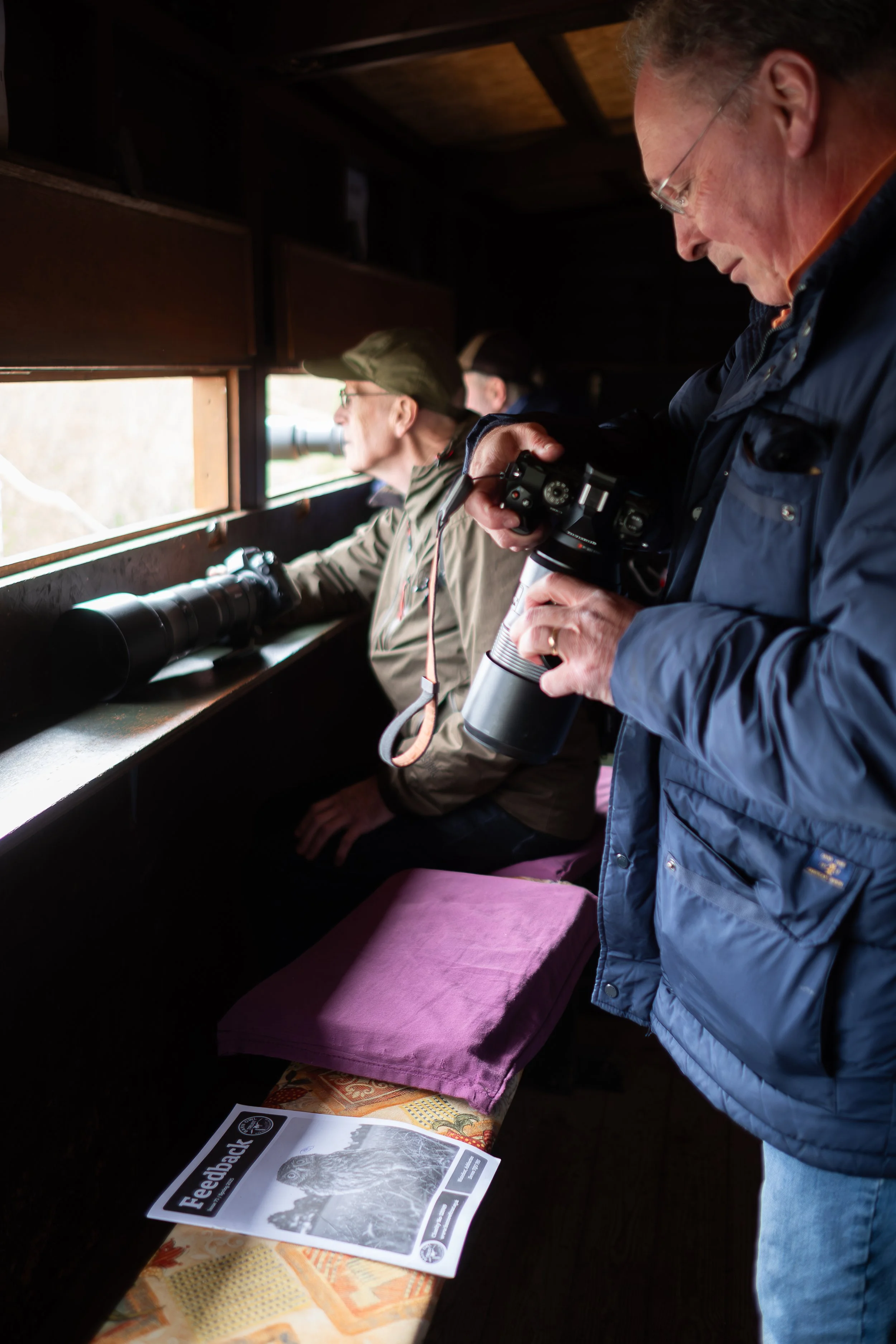
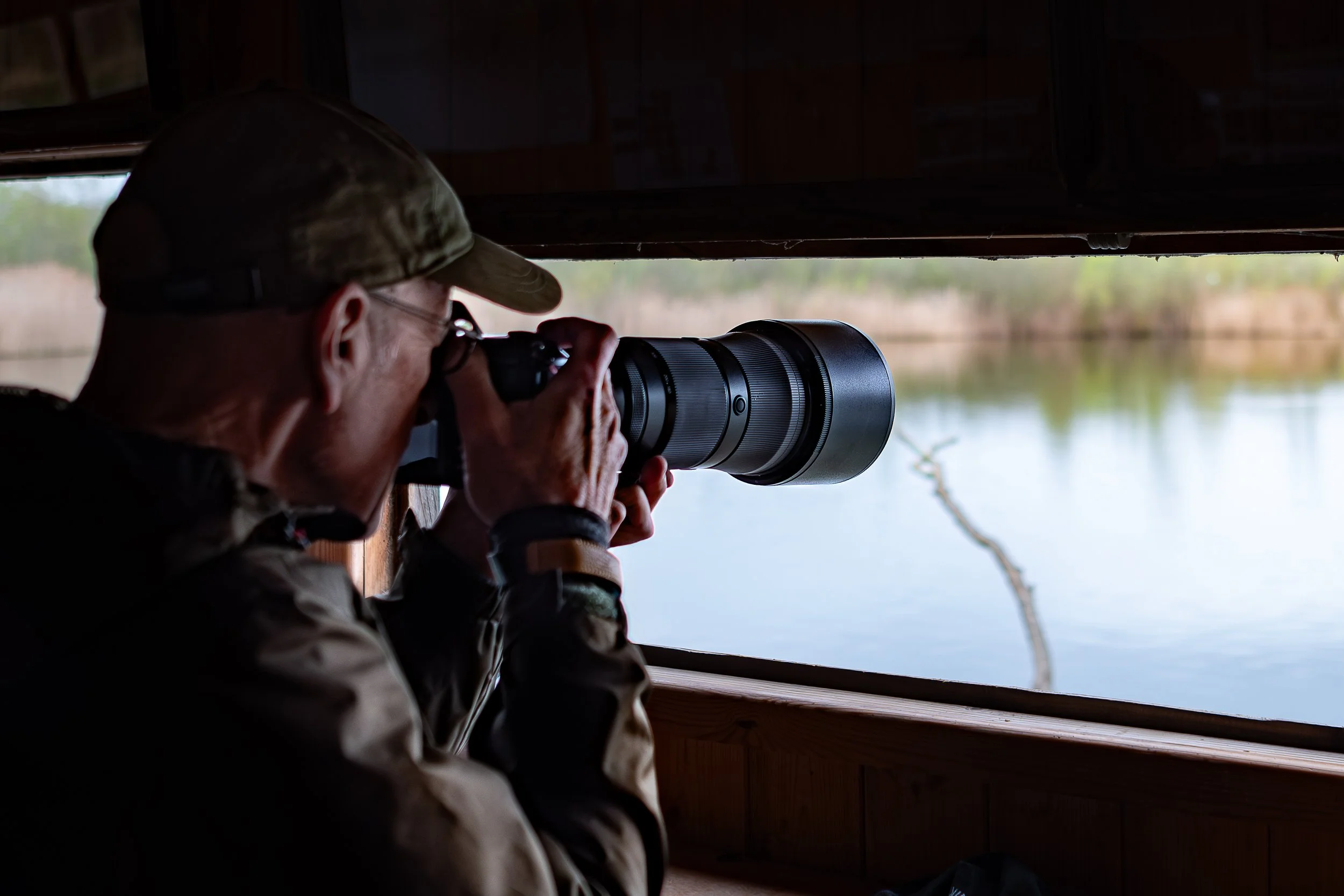
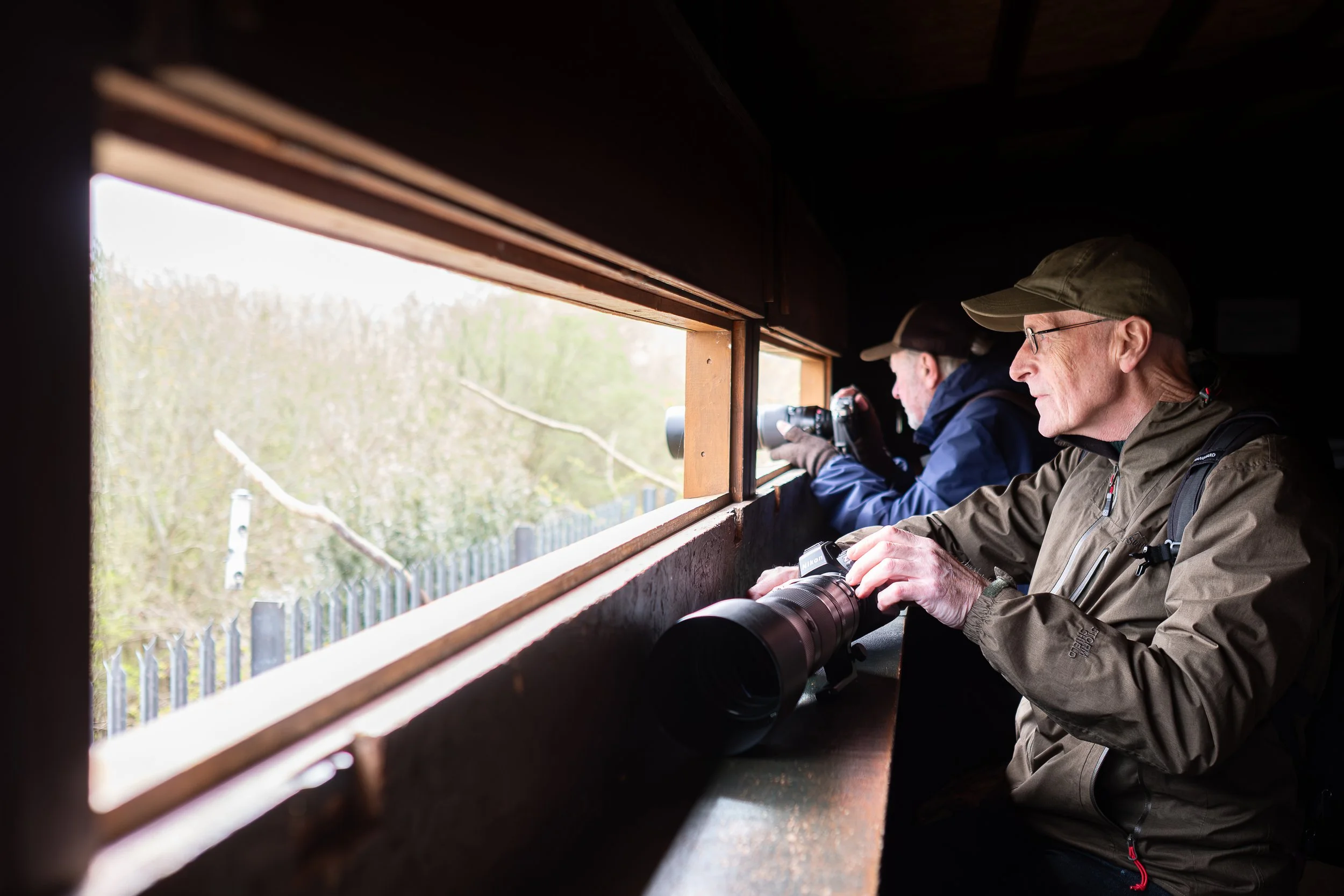
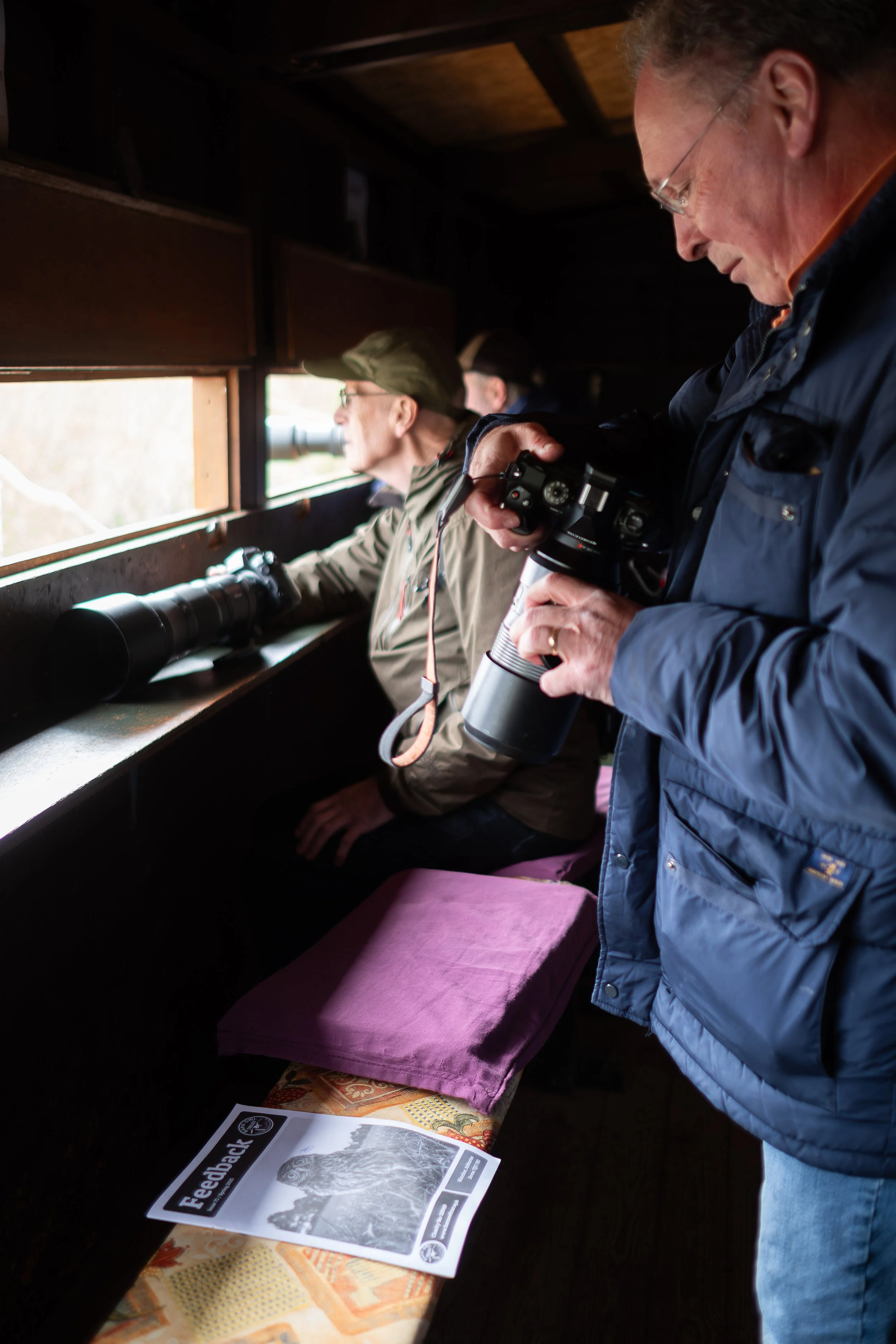
This particular session was a small wildlife photography workshop, focused less on camera settings and more on fieldcraft, behaviour, and storytelling. Everyone there already knew how to operate their camera. Aperture wasn’t the issue. Neither was autofocus. The problem, as it usually is, sat somewhere between the eyes and the index finger.
So we started the same way we always do. Cameras down. No shooting. Just watching.
It doesn’t take long for the discomfort to set in.
Photographers are, by nature, not very good at doing nothing. Even when nothing is happening, there is a strong urge to do something about it. Scan harder. Move more. Shoot just in case. Collect something vaguely useful and justify it later.
You can almost see the internal dialogue playing out. This might turn into something. It usually doesn’t. And then the pattern begins. A bird dives — shutter goes off. A wing moves — shutter goes off. Something changes — shutter goes off. Every time, just slightly too late. Not by much. Just enough to miss the moment that actually mattered.
This is where most wildlife photography quietly falls apart. Not because people are slow, but because they are reacting to what has already happened rather than anticipating what is about to happen.
By the time you see the moment, it’s already gone. Instead of chasing movement, we slowed everything down. The task was simple on paper and deeply uncomfortable in practice: pick one subject and stay with it. Not ten birds. Not whatever flies past. One. Follow it. Watch it. Work out what it’s doing and, more importantly, what it might do next.
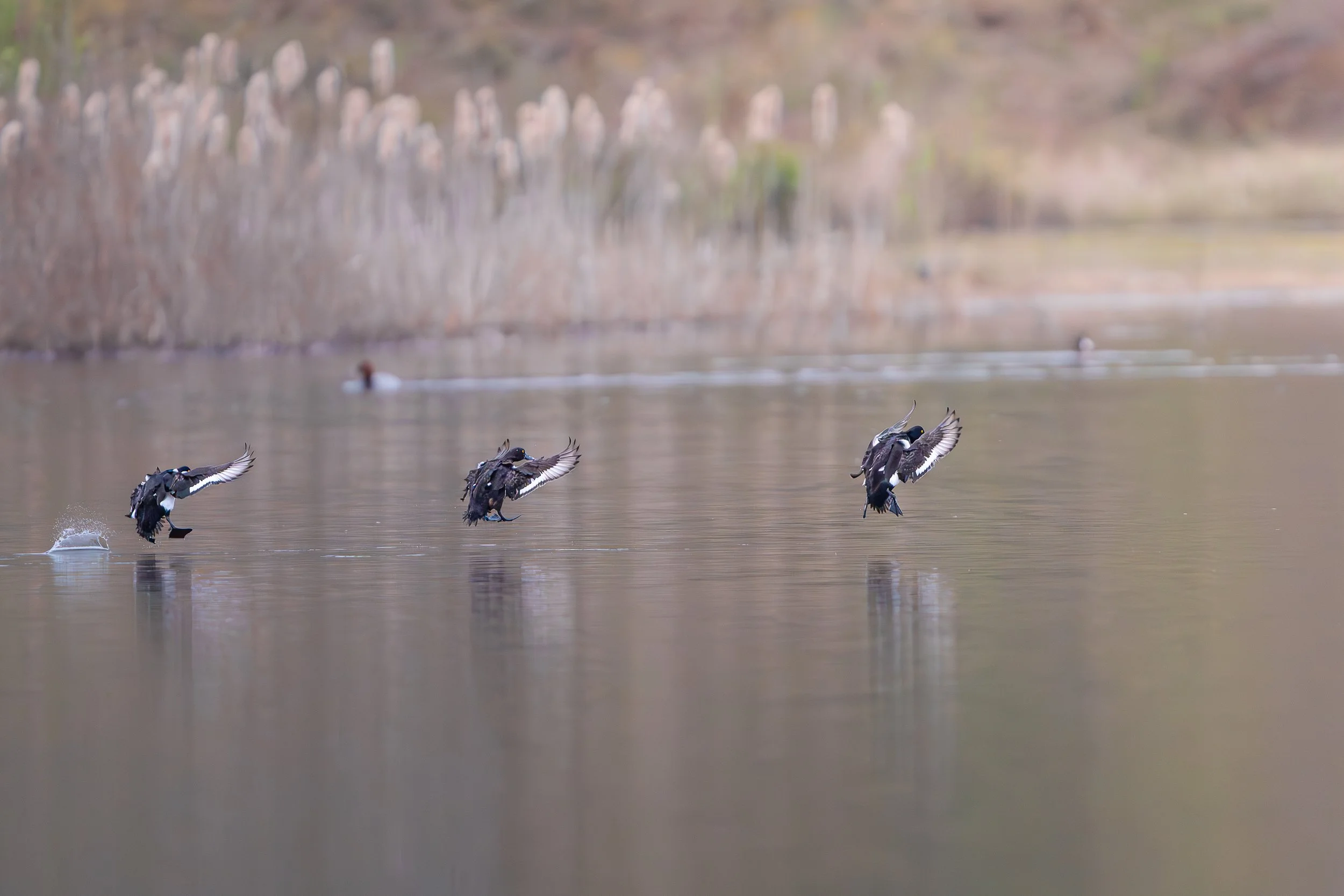
At first, this feels like a terrible idea. There is always something more “interesting” happening somewhere else. Something with more movement, more drama, more potential for a heroic shot you can show your mates later.
But the moment you commit, something shifts. Patterns begin to emerge. Small repetitions become visible. A bird that looked random a few minutes ago starts to feel predictable. Not in a rigid way, but in a way that gives you just enough warning to be ready. This is where wildlife photography stops being reactive and starts becoming intentional. The turning point came, as it often does, from something very small.
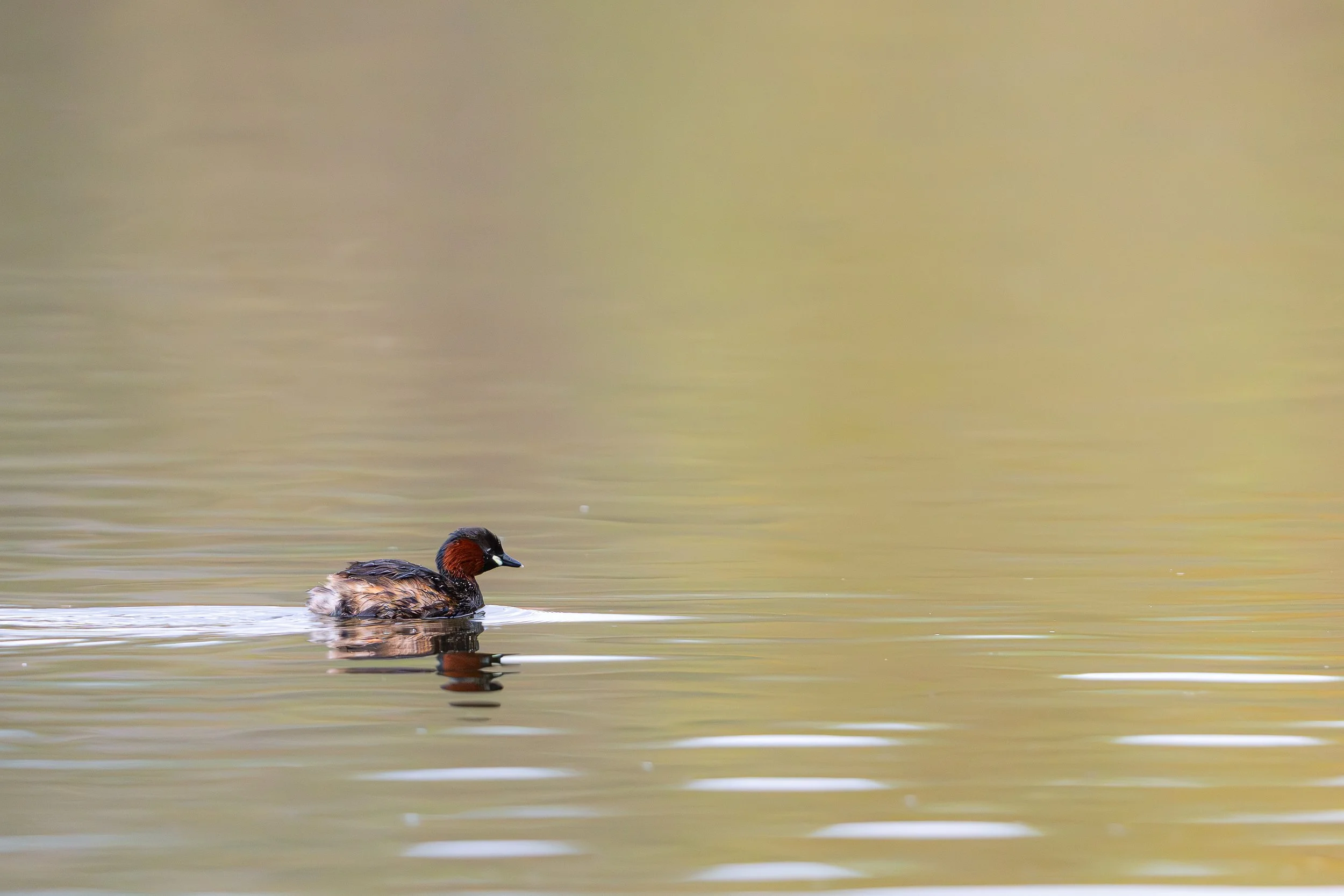
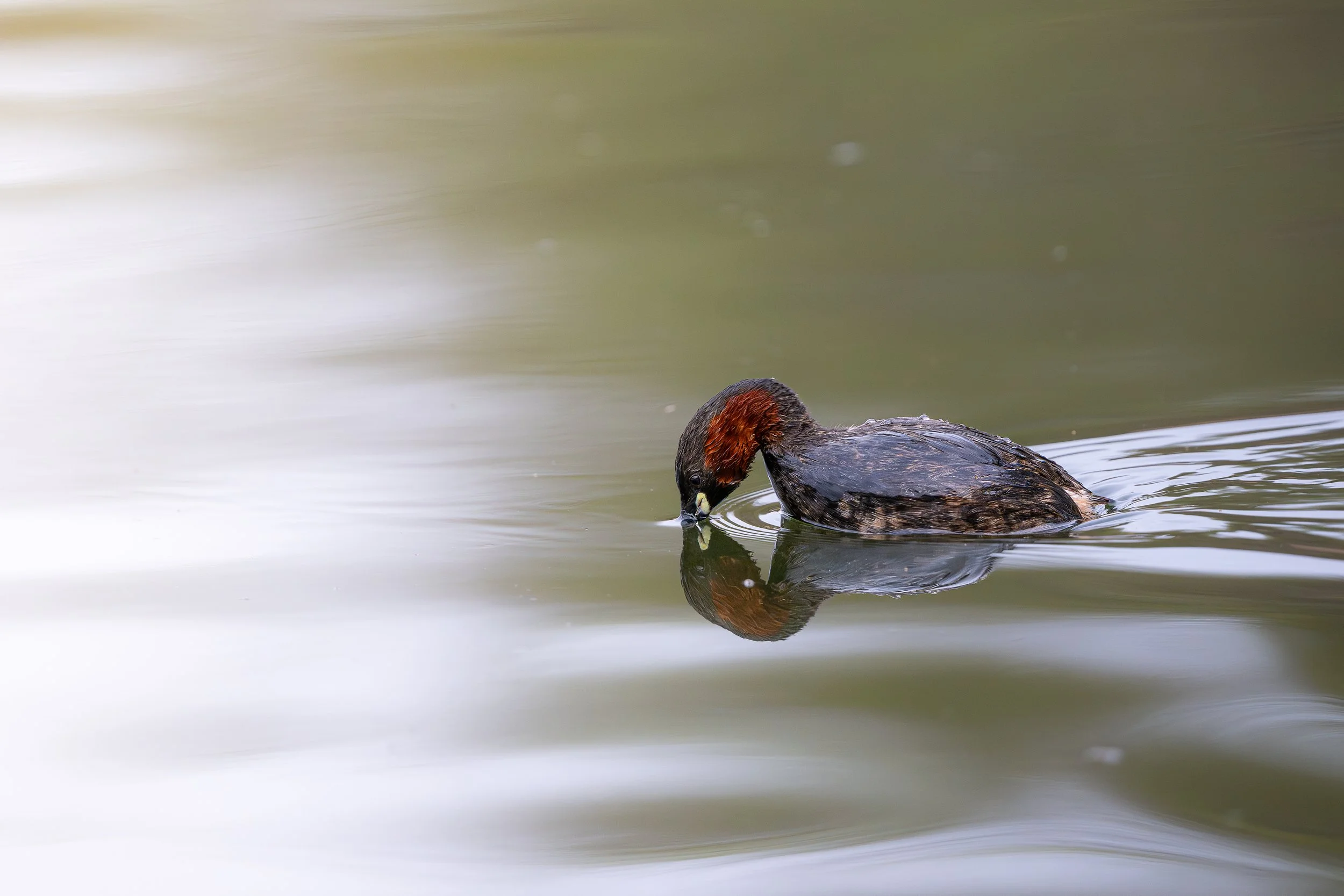
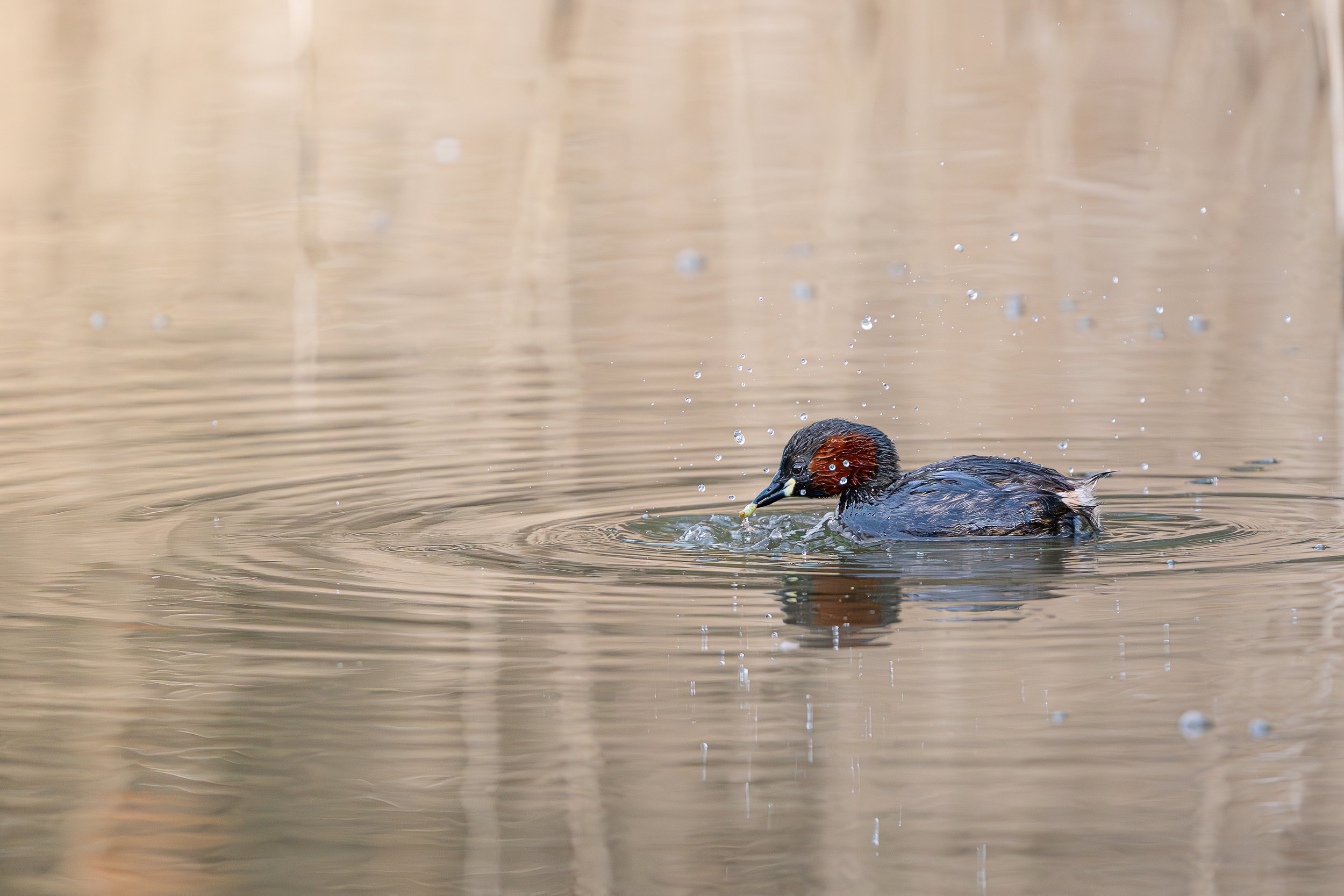
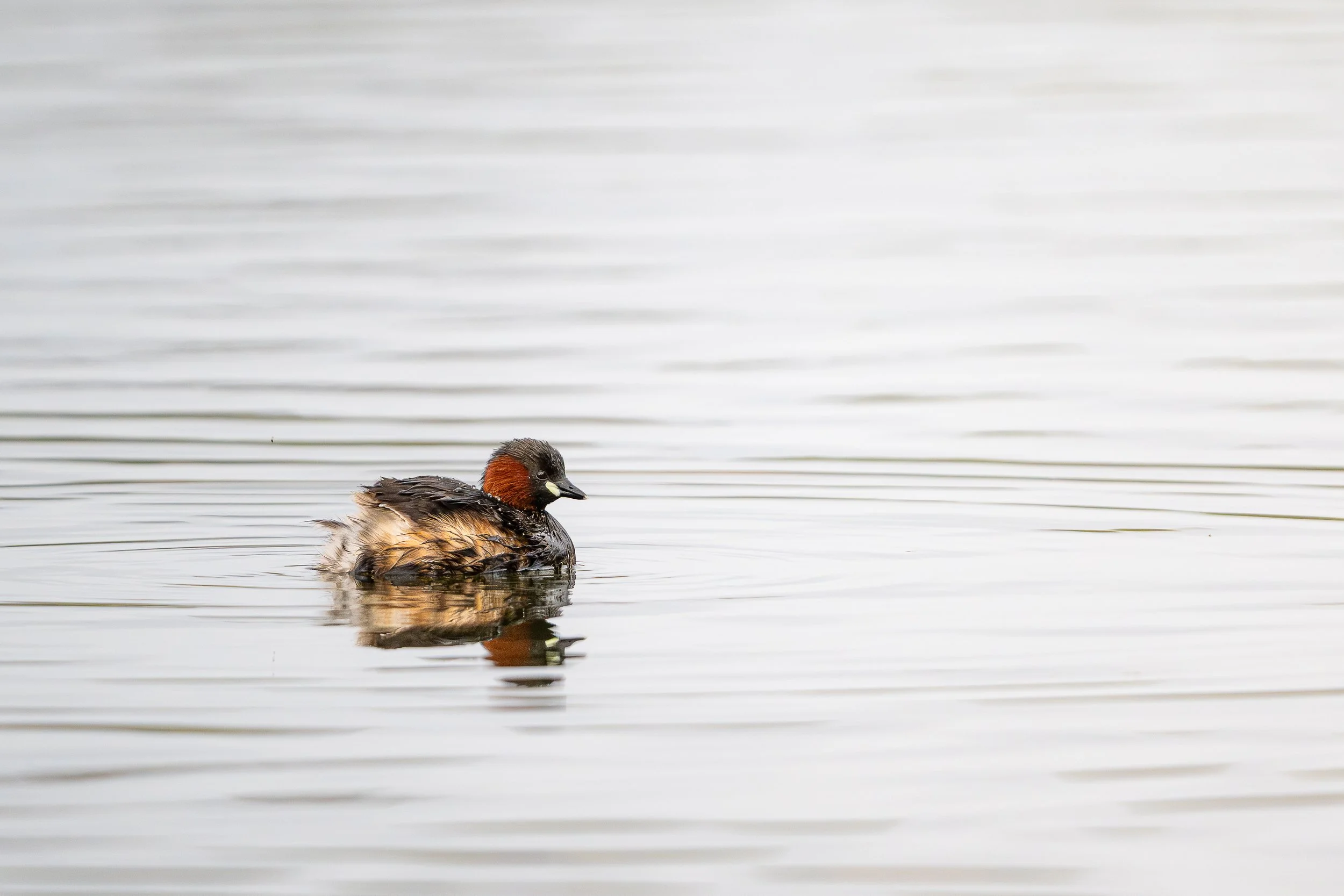
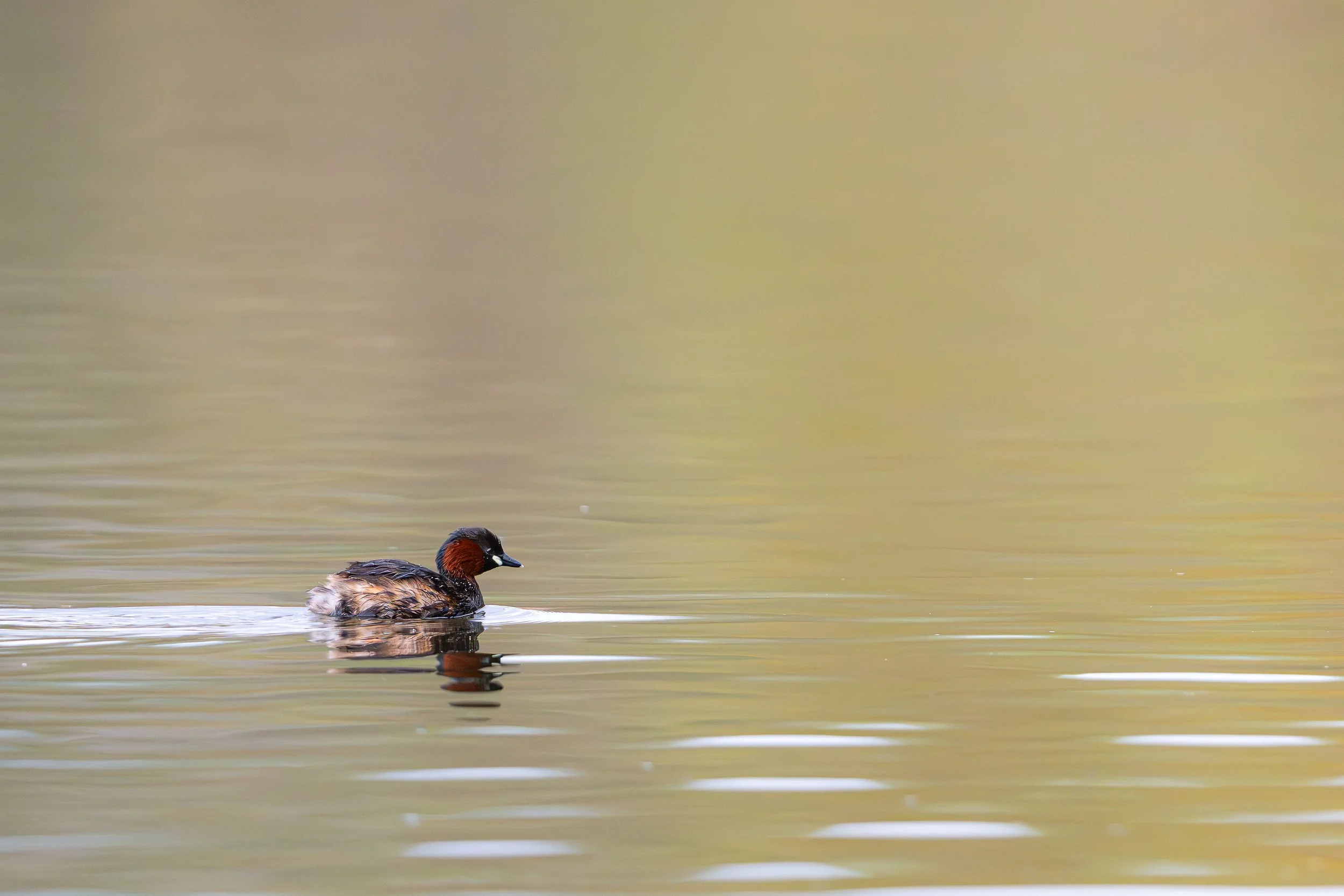
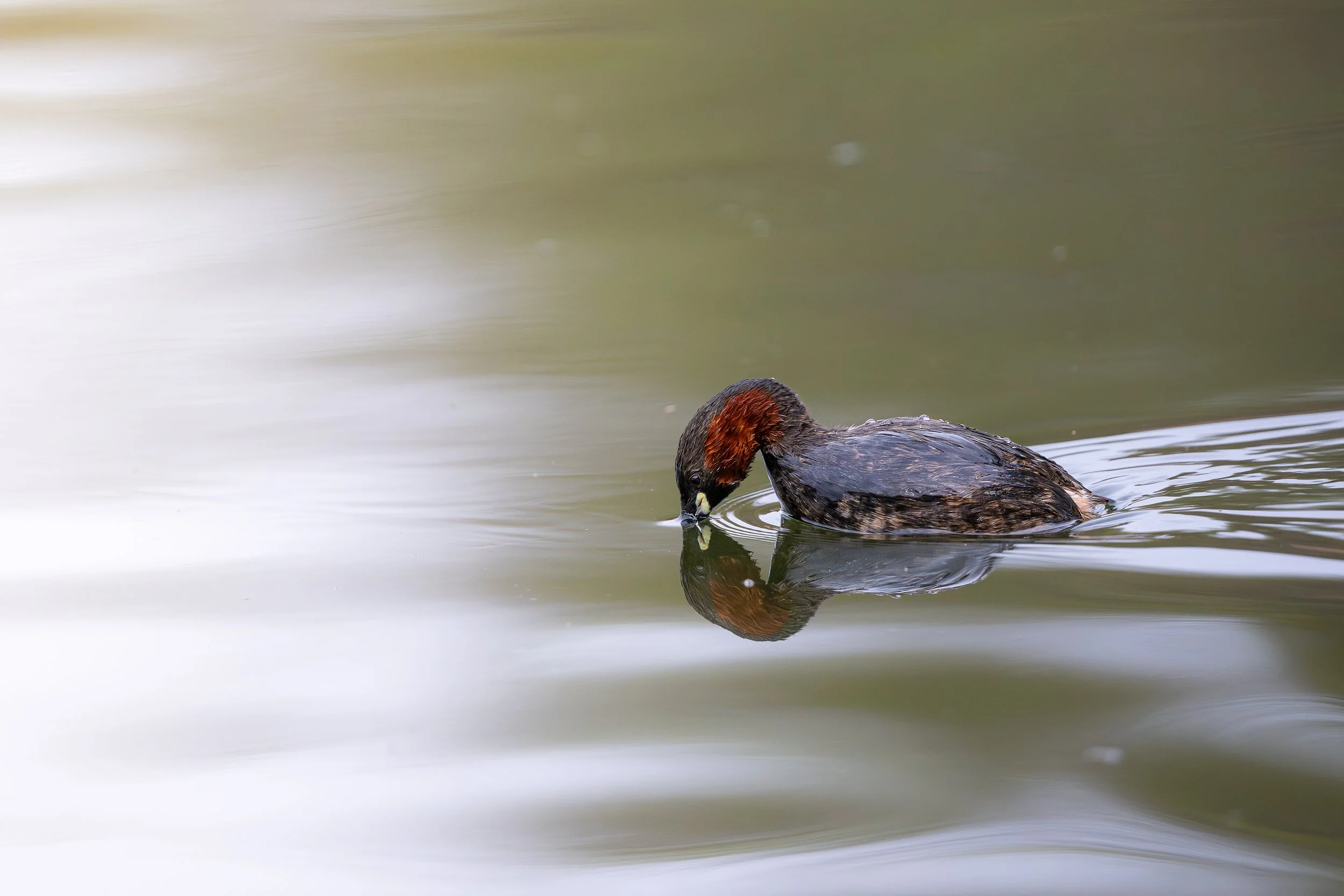
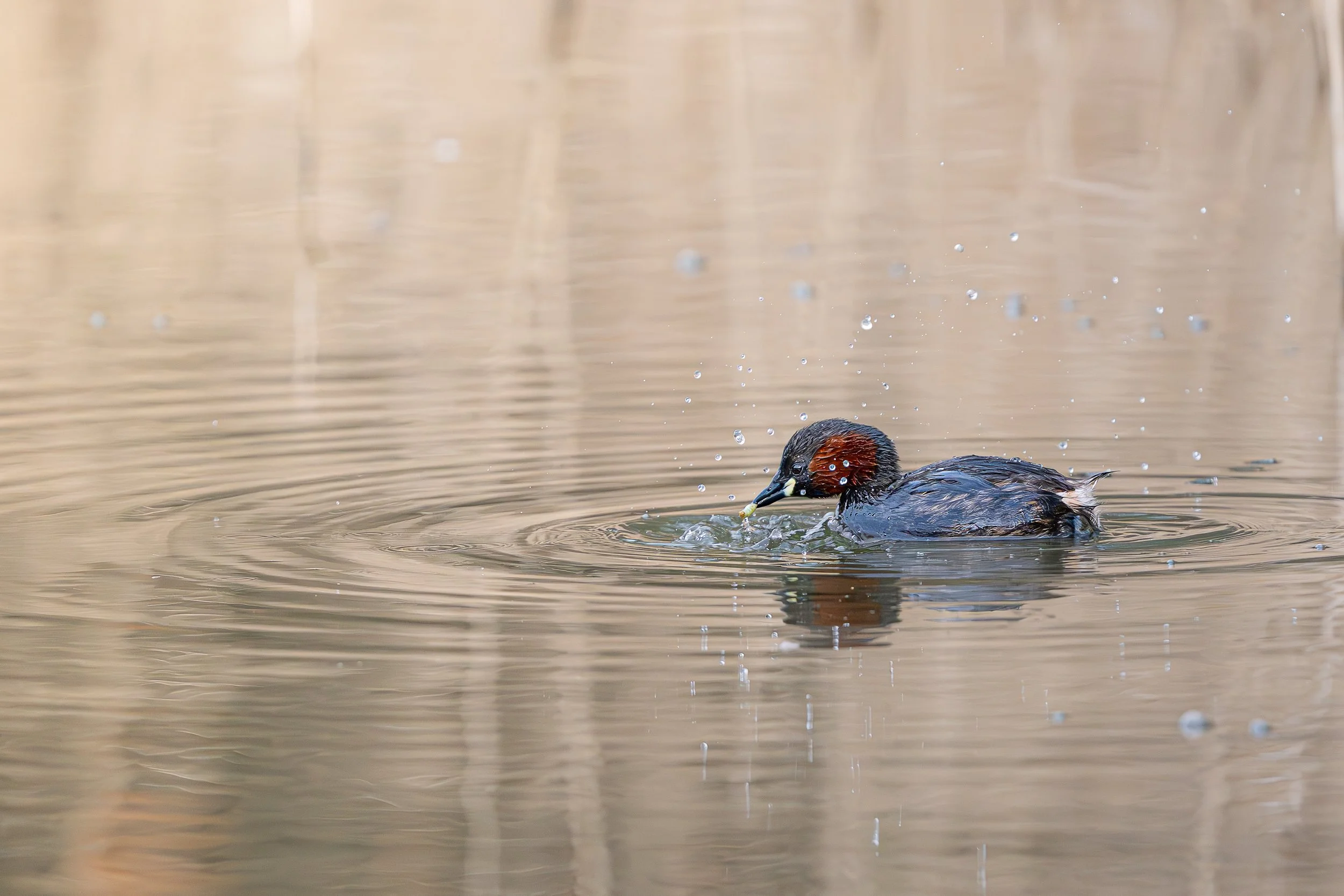
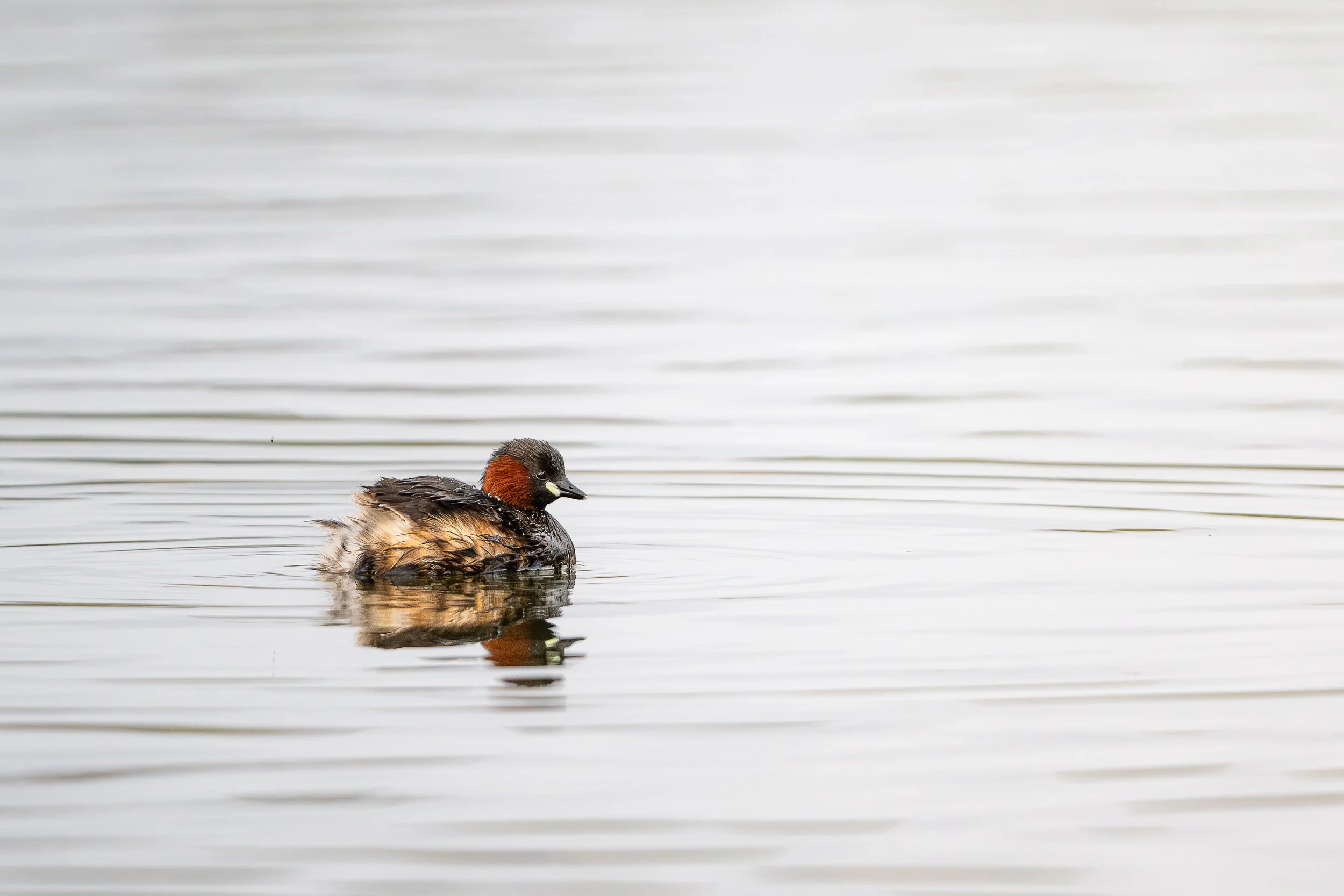
Little grebes were diving in front of the hide, repeatedly disappearing beneath the surface and reappearing a few seconds later. Nothing spectacular. No explosive action. Just a simple, repeatable behaviour.
The goal was to capture the moment the beak breaks the water. Everyone missed it. Consistently. The pattern was identical across the group. Short bursts, a bit of hesitation, and then lifting off the shutter just before the moment actually happened. Perfectly reasonable behaviour, if your aim is to miss things with confidence.
So we changed one thing.
Instead of trying to perfectly time the shot, the instruction was simple: notice when you want to stop shooting, and don’t. That tiny hesitation — the moment your brain decides “that’s probably enough” — is almost always where the action completes. It’s the photographic equivalent of braking when you finally notice the speed camera. At that point, the outcome has already been decided. Once they leaned into that, things changed quickly. Not because the birds did anything different, but because their timing did. The same behaviour, the same scene, the same conditions — just seen properly for the first time.
By the end of the session, nothing about Kempton had improved. The light was still flat. The birds were still fairly calm. There was no sudden influx of cinematic wildlife behaviour to validate everyone’s effort. But the way people were working had shifted. Less jumping between subjects. Less reacting to random movement. More staying, more observing, more anticipating. Nature is quite good at settling debates. The real takeaway from the morning had very little to do with Kempton Nature Reserve itself. It applies just as well anywhere.
Good wildlife photography isn’t about being there when something happens. It’s about recognising when something almost happens — and understanding why. Because once you understand that, you’re no longer guessing. You’re not waiting for luck, or hoping something dramatic unfolds in front of you. You’re reading the situation, anticipating the shift, and positioning yourself for it before it becomes obvious. And at that point, even a quiet morning stops being quiet.
More wildlife photography workshops are coming soon…
Please subscribe to the newsletter below if you want to know when the next workshop will be announced!
For now enjoy this narrated slideshow from the Narrative In The Wildlife Photography Fieldcraft Workshop at Kempton Nature Reserve!