
2025 Wrap-Up
And What to Look Out for Next

2025 has been a quieter year on the surface — but a surprisingly foundational one behind the scenes.
FeatherFrame didn’t explode into existence with a big launch, a dramatic countdown, or a thumbnail face frozen in permanent shock. Instead, it grew slowly, deliberately — and quite often out of mild irritation. Irritation with platforms, with fragmented tools, and with the way wildlife photography is usually presented online: polished, decontextualised, and suspiciously free of mud.
For me, the core aim has always been simple — stay focused on the subject (mostly wildlife), and let everything else pass through narrative. If I had to nominate a word of the year — for myself and for FeatherFrame — it would be narrative. Not as a buzzword, but as a way of thinking. From the early group workshops at WWT London Wetlands Centre, through online editing masterclasses, to my first full-day field and editing tuition sessions, and eventually building the FeatherFrame hub itself — the common thread was always storytelling. Sometimes intentional. Sometimes accidental. Occasionally discovered in hindsight while wondering why nothing went to plan.
It turned out to be a journey that taught me far more than I expected, corrected a few overconfident assumptions, and humbled me in a fairly polite but unmistakable way.
Right — enough tasteful introspection. Let’s get to the good stuff.
What FeatherFrame focused on in 2025
This year was about building infrastructure, not noise.
• A clearer narrative direction for FeatherFrame as a storytelling-first project
• Regular field time focused less on “hero shots” and more on behaviour, rhythm, and sequence
• The early groundwork for the Interactive Wildlife Map, built from real visits rather than scraped data
• A renewed focus on video — especially short, observational wildlife films
YouTube: learning in public
One of the most visible shifts this year was moving more intentionally into video.
Rather than chasing tutorials or gear-driven content, the focus has been on experience-based wildlife storytelling — what it feels like to be there, what went wrong, what was missed, and what was learned.
A few recent pieces live here:
(These aren’t “how-to” videos in the traditional sense — they’re closer to field notes.)
The Interactive Map: where this is heading
The Interactive Wildlife Map has been quietly evolving in the background.
The goal has never been to build a generic “best spots” list. Instead, the map is being shaped as a living field companion— a place to understand why a location works, when it works, and what kind of behaviour you might encounter there.
In 2026, this will start to expand with:
Deeper seasonal notes
More first-hand observations
Better integration with written field stories
Tuition & learning (softly, intentionally)
Tuition is also evolving.
Rather than traditional workshops built around checklists and settings, future offerings will lean into:
Observation
Decision-making in the field
Story construction over time
More on this soon — when it’s ready.
Ending the year where it belongs
I want to end this year the same way many field days end: not with spectacle, but with something small and complete.
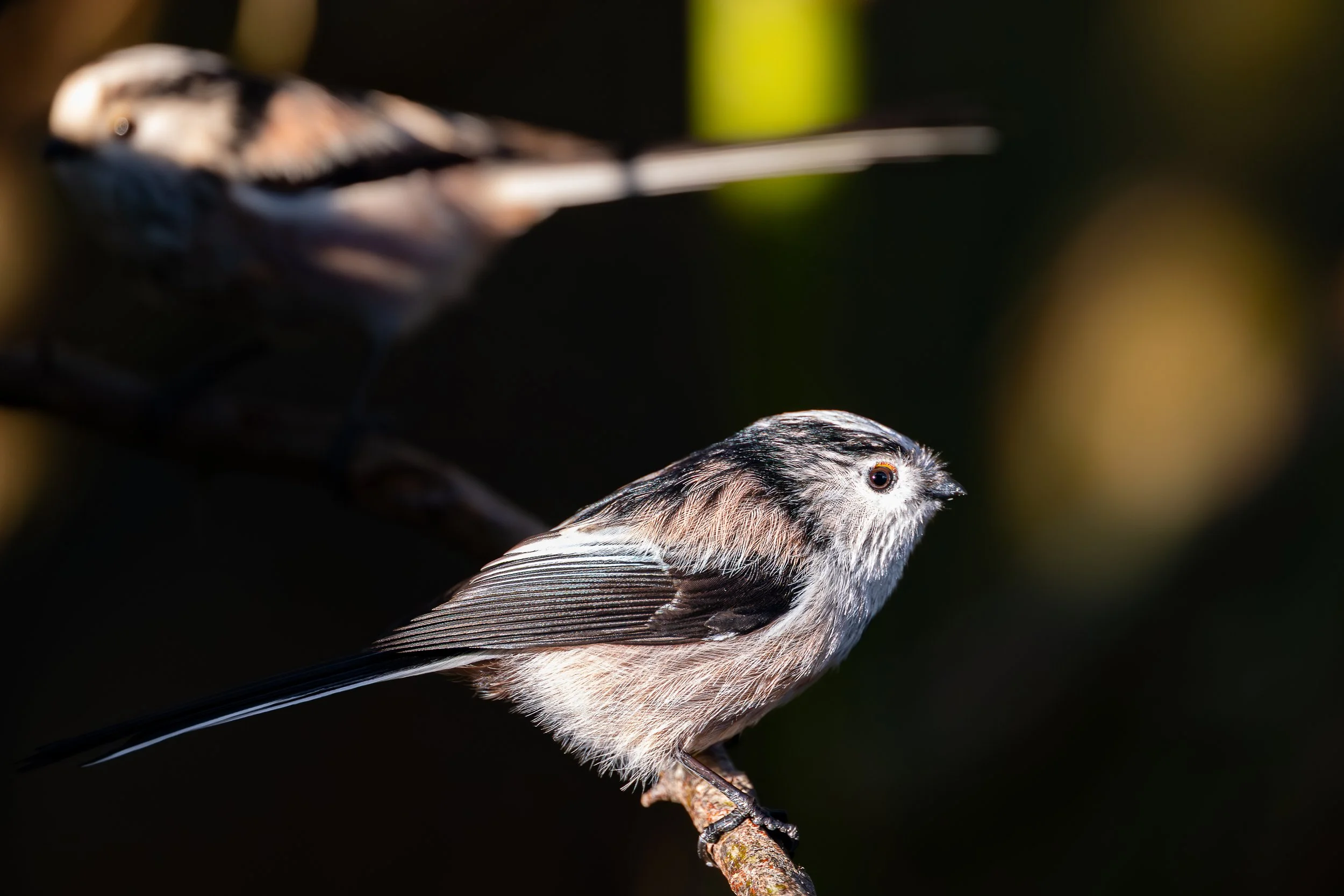
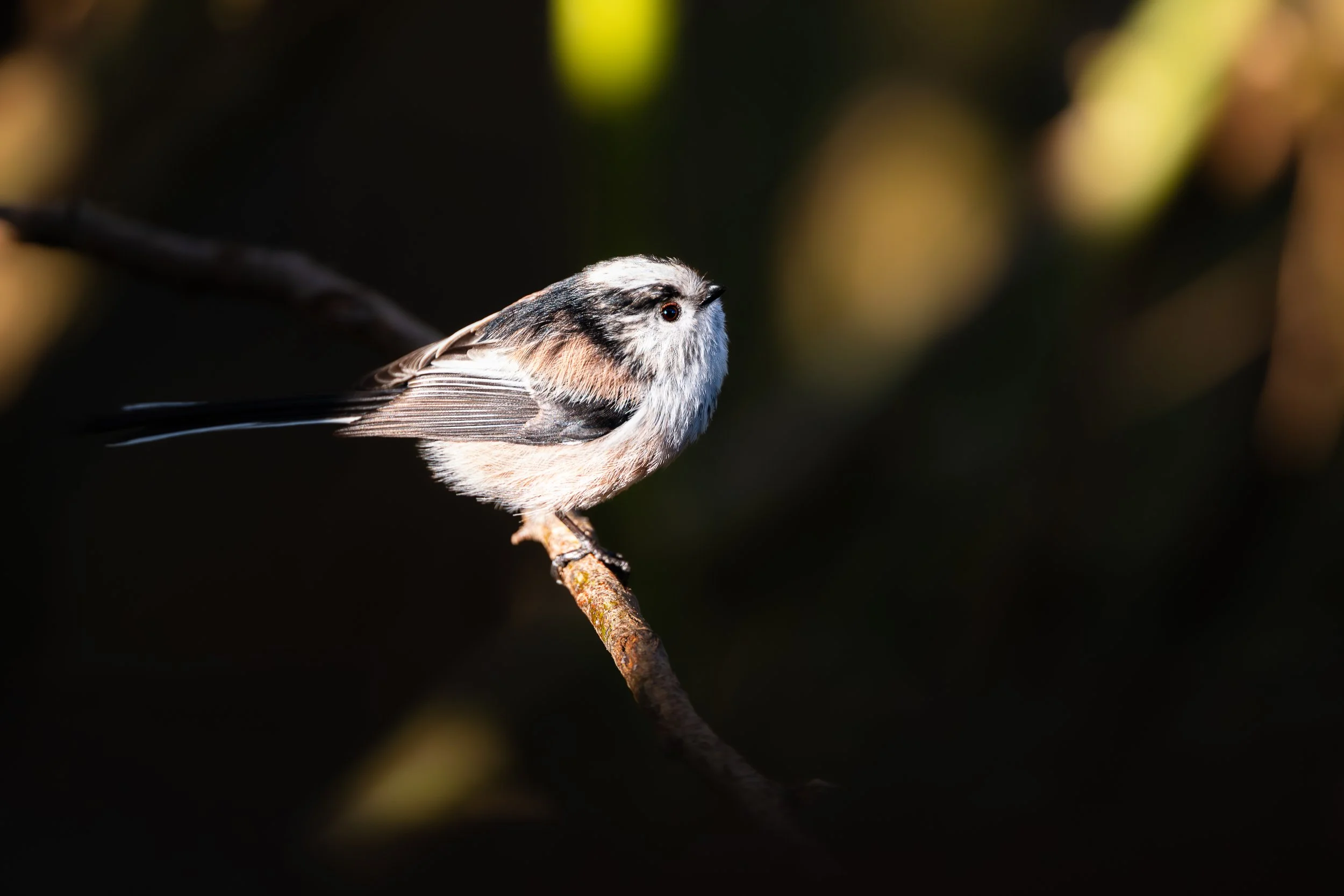
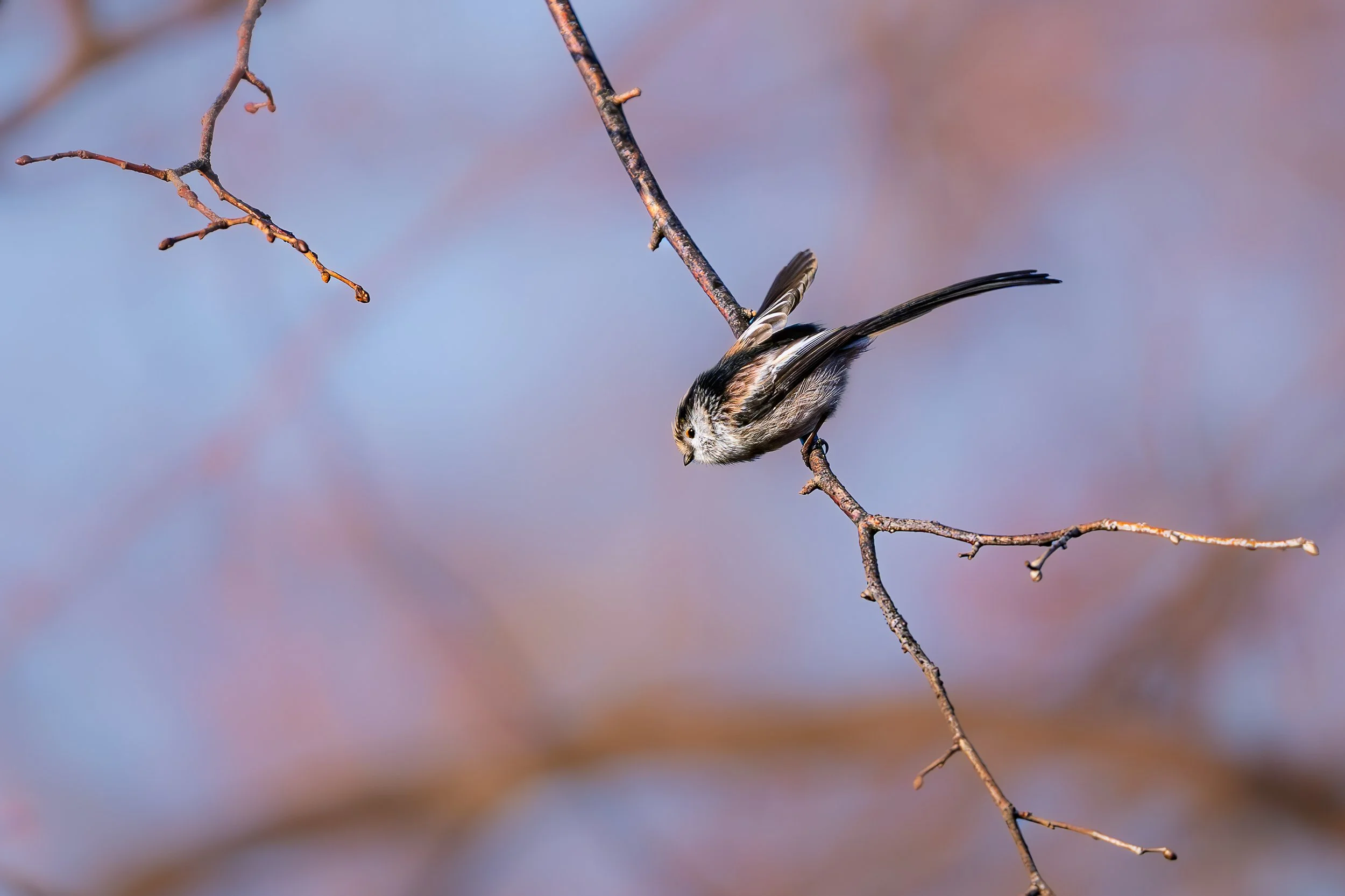
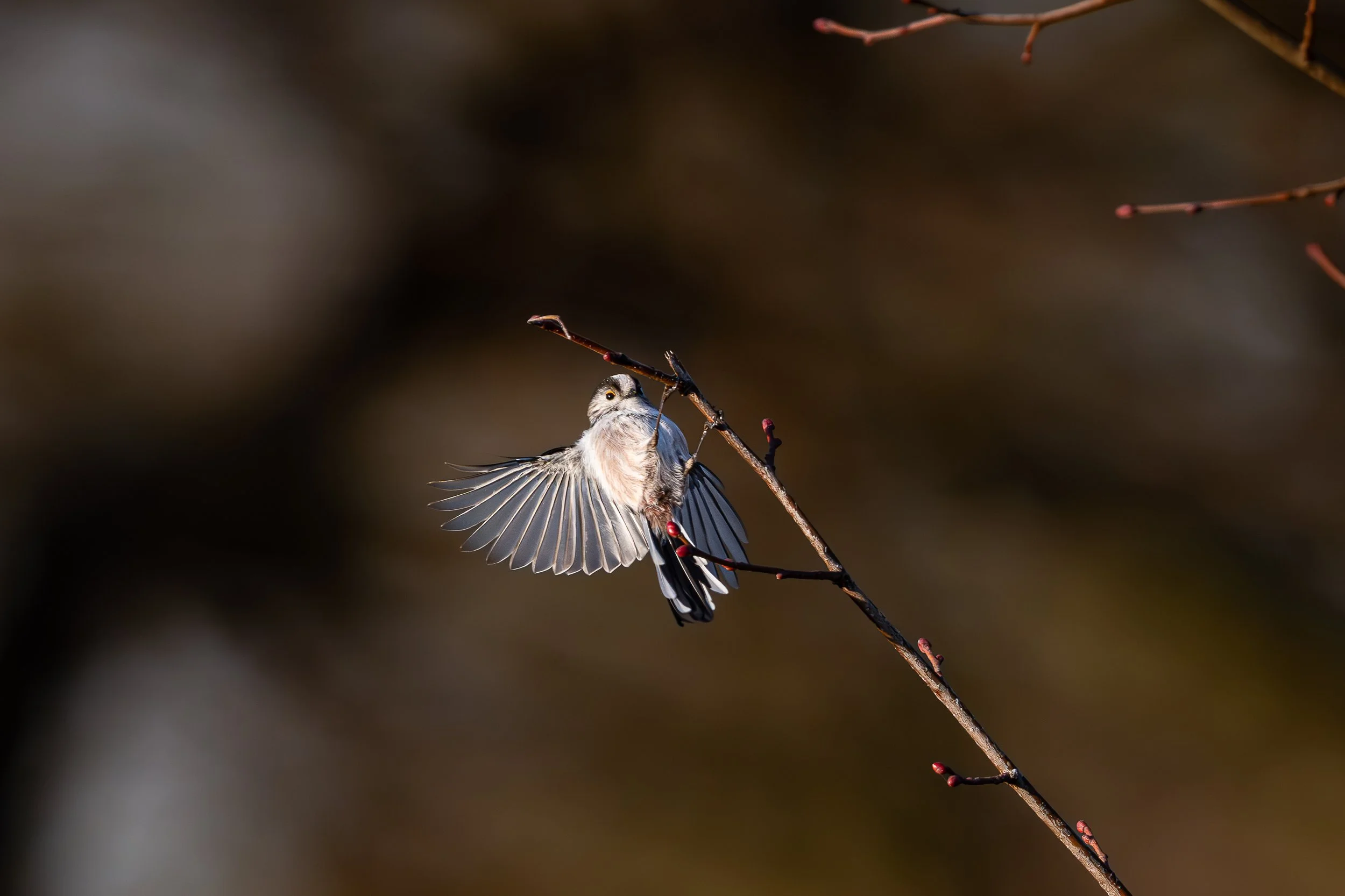
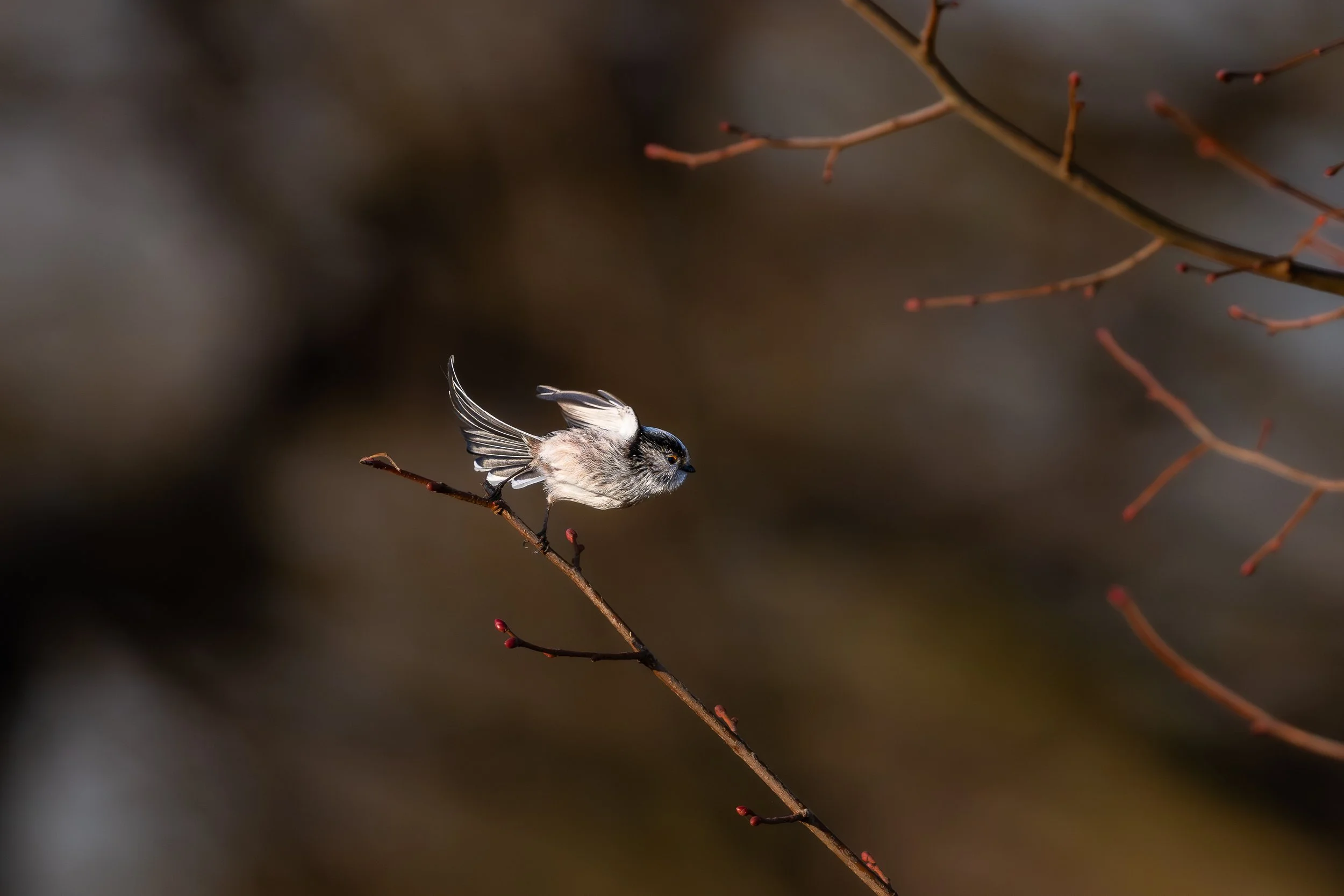
A quiet encounter with long-tailed tits moving through winter branches — chaotic, fleeting, and somehow perfectly organised.
That feels like a good metaphor for where FeatherFrame is right now.
Thank you for following along — more to come.
— Victor
